 4 citations
,
February 2016 in “Clinical Pharmacology & Therapeutics”
4 citations
,
February 2016 in “Clinical Pharmacology & Therapeutics” Hair follicle samples effectively show how well the drug MK-0752 targets and engages with the Notch pathway.
January 2026 in “PubMed Central” Natural product nanoparticles improve drug absorption but need better stability and production methods.
 April 2024 in “Bioactive materials”
 New microneedle treatment with growth factors and a hair loss drug shows better and faster hair growth results than current treatments.
21 citations
,
January 1999 in “Molecular and Cellular Biochemistry” Niacin deficiency makes rats more sensitive to cancer-causing chemicals.
30 citations
,
October 2009 in “Journal of Veterinary Internal Medicine” A Pomeranian dog had rickets due to a new gene mutation, leading to severe symptoms and euthanasia.
Introducing the OTC gene improved symptoms in mice with OTC deficiency.
May 2020 in “Business Innovation & Entrepreneurship Journal” PASIKULA, a turmeric-based hair removal product, successfully sold well and boosted turmeric's economic value.
50 citations
,
February 2004 in “Genomics” A gene mutation causes lanceolate hair in rats by disrupting hair shaft integrity.
 3 citations
,
May 2018 in “Biochemical and Biophysical Research Communications”
3 citations
,
May 2018 in “Biochemical and Biophysical Research Communications” iNOS contributes to hair loss in obese diabetic mice and blocking it may encourage hair growth.
3 citations
,
June 2025 in “Gyemyeong uidae haksulji” PDRN is effective and safe for healing wounds and skin issues.
 245 citations
,
January 1998 in “Genes & Development”
245 citations
,
January 1998 in “Genes & Development” Hoxc13 gene is essential for hair, nail, and papilla development.
 11 citations
,
July 2020 in “Journal of Cosmetic Dermatology”
11 citations
,
July 2020 in “Journal of Cosmetic Dermatology” Sandalore® improves hair growth and quality in people with hair loss.
10 citations
,
May 1994 in “Journal of Investigative Dermatology” January 2013 in “Hunan Agricultural Sciences” Lactobacillus reuteri and Bacillus natto can replace antibiotics to improve piglet health and growth.
March 2011 in “Pigment Cell & Melanoma Research” The Agouti gene influences pigmentation and may have a developmental role in deer mice.
 October 2025 in “Transplantation”
 Dissolving microneedles with finasteride improve drug delivery for hair loss treatment.
January 2026 in “ACS Applied Bio Materials” A new treatment using nanoliposomes can improve hair regrowth in androgenetic alopecia.
 January 2023 in “Editora Enterprising eBooks”
 Quality management improves public services.
 April 2026 in “Zenodo (CERN European Organization for Nuclear Research)”
 Nanocrystals improve drug delivery and bioavailability for poorly soluble drugs.

Microneedle technology is effective for skin rejuvenation and enhancing cosmeceutical delivery, with ongoing innovation and increasing commercialization.
 23 citations
,
December 2013 in “British Journal of Dermatology”
23 citations
,
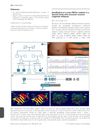
December 2013 in “British Journal of Dermatology” A new gene mutation linked to a skin condition was found in a Spanish family.
 38 citations
,
July 2021 in “ACS Nano”
38 citations
,
July 2021 in “ACS Nano” Microneedles help treat hair loss by improving hair surroundings and promoting growth.
June 2020 in “Zenodo (CERN European Organization for Nuclear Research)” March 2023 in “Editora e-Publicar eBooks” January 2014 in “Spectrum Research Repository (Concordia University)” FA-MNPs effectively targeted and killed cancer cells but didn't overcome drug resistance.
 April 2026 in “Zenodo (CERN European Organization for Nuclear Research)”
 The model improves understanding of androgen interactions by focusing on signal intensity and system capacity.
May 2010 in “Europe PMC (PubMed Central)” Near-infrared probes can safely and effectively image cysteine protease activity for disease diagnosis.
July 2024 in “Journal of Investigative Dermatology” Baicalin may help treat severe drug-induced skin reactions.
 July 2023 in “International Journal of Molecular Sciences”
 N,N-Dimethylglycine Sodium Salt helps reduce skin inflammation and improves skin cell growth and healing.
 January 2021 in “Medical Research Archives”
 Genetically modified rats help reveal how vitamin D affects bone and skin health.