Stem cell therapy shows promise for better burn healing but needs more research and standardization.
1425 citations
,
September 2020 in “Open Biology” Better understanding of wound healing is needed to develop effective treatments for chronic wounds.
908 citations
,
July 2015 in “British Journal of Dermatology” Acute wounds heal well, but chronic wounds struggle due to ongoing inflammation and poor tissue repair.
97 citations
,
December 2021 in “Cells” Designing effective fluorescence microscopy experiments requires careful consideration of hardware, biological models, and imaging agents.
71 citations
,
January 2012 in “PloS one” The conclusion is that genetic differences affect how the cochlea heals after hair cell loss, which may challenge the creation of hearing loss treatments.
69 citations
,
November 2023 in “Heliyon” Future wound dressings will be smart, multifunctional, and improve personalized medicine.
56 citations
,
November 2022 in “Biomolecules” Targeting macrophages may improve wound healing.
37 citations
,
November 2017 in “Medical Sciences” Melanoma's complexity requires personalized treatments due to key genetic mutations and tumor-initiating cells.
33 citations
,
February 2024 in “International Journal of Molecular Sciences” Understanding fibroblast issues in diabetic foot ulcers is key to creating better treatments.
24 citations
,
August 2021 in “Biologics” Stem cell therapy shows promise in improving burn wound healing.
18 citations
,
July 2024 in “Frontiers in Immunology” Targeting specific molecular pathways may improve treatments for chemoresistant cancers.
18 citations
,
February 2024 in “ACS Polymers Au” Silk fibroin shows promise for wound care but faces challenges in becoming widely available.
7 citations
,
October 2023 in “European Journal of Pharmacology” Cannabidivarin (CBDV) may help brain cell growth and survival through the TRPV1 receptor.
5 citations
,
November 2025 in “Cells” Advancements in wound healing aim to improve personalized treatments and enhance healing outcomes.
5 citations
,
January 2024 in “Advances in Pharmacological and Pharmaceutical Sciences” Pomegranate shows promise for treating various health issues, but more research is needed.
5 citations
,
July 2023 in “Microorganisms” The study found specific skin and cell changes in patients with monkeypox, helping diagnose and understand the disease.
3 citations
,
July 2025 in “Current Issues in Molecular Biology” Dental pulp stem cells can help heal skin and mucosal wounds effectively.
 2 citations
,
December 2023 in “Advanced science”
2 citations
,
December 2023 in “Advanced science” Glycosaminoglycans help heal wounds but aren't yet ready for clinical use.
1 citations
,
March 2024 in “Nanomaterials” Biomimetic scaffolds are better than traditional methods for growing cells and could help regenerate various tissues.
1 citations
,
January 2021 in “Processes” Researchers successfully grew horse skin cells that produce pigment from hair follicle samples.
 April 2026 in “Biomedicines”
 Wound healing is not fully understood, requiring more research and collaboration to improve treatments.
October 2025 in “Preprints.org” Adipose mesenchymal stem cells are best for skincare because they reduce inflammation and are safe and effective.
 August 2024 in “Cell Death and Disease”
 Activating TLR9 helps heal wounds and regrow hair by using specific immune cells.
 April 2024 in “Military Medical Research/Military medical research”
 Cellular and immunotherapies show promise for healing chronic wounds but need more research.
 January 2024 in “Authorea (Authorea)”
 Nanomaterials can significantly improve wound healing and future treatments may include smart, real-time monitoring.
June 2026 in “Journal of Cutaneous and Aesthetic Surgery” Undiagnosed diabetes can lead to serious infections after surgery, but proper treatment can ensure healing.
 105 citations
,
February 2017 in “British Journal of Dermatology”
105 citations
,
February 2017 in “British Journal of Dermatology” Survivors of Stevens-Johnson syndrome/toxic epidermal necrolysis need ongoing care for various long-term health problems.
 74 citations
,
September 1980 in “Medical Clinics of North America”
74 citations
,
September 1980 in “Medical Clinics of North America” Toxic epidermal necrolysis is a severe skin condition often caused by drugs, with complex treatment and a high risk of death, but survivors usually heal without scars.
 35 citations
,
May 2008 in “Journal of Clinical Oncology”
35 citations
,
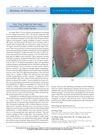
May 2008 in “Journal of Clinical Oncology” A cancer patient died from a severe skin reaction after taking the drug cetuximab.
 33 citations
,
October 2017 in “Drug Safety”
33 citations
,
October 2017 in “Drug Safety” SJS/TEN survivors often have severe, overlooked long-term physical problems that are not properly treated after leaving the hospital.