3 citations
,
November 2024 in “Egyptian Journal of Medical Human Genetics” SGK1 is important in cancer growth and treatment resistance, and targeting it could improve therapies.
June 2025 in “Cell Metabolism” Serine is vital for hair follicle stem cells to balance hair growth and skin repair.
160 citations
,
June 2008 in “American Journal Of Pathology” EGFR signaling is crucial for skin and hair health, and targeting it could help treat skin diseases and cancer.
39 citations
,
September 2007 in “BMC developmental biology” Neuregulin3 affects cell development in the skin and mammary glands.
13 citations
,
April 2019 in “iScience” EGFR helps control how hair grows and forms without needing p53 protein.
177 citations
,
March 2018 in “International Journal of Molecular Sciences” mTOR inhibitors may help treat lung fibrosis.
67 citations
,
September 2001 in “American Journal Of Pathology” Inhibiting ODC can prevent UV-induced skin cancer.
53 citations
,
January 2013 in “Journal of toxicologic pathology” The project created a standardized system for classifying skin lesions in lab rats and mice.
50 citations
,
September 2023 in “Biomarker Research” S100A6 is important for cell functions and can help diagnose and treat diseases.
49 citations
,
November 2021 in “Annual review of pathology” Lysophospholipids like LPA and S1P are important for hair growth, immune responses, and vascular development, and could be targeted for treating diseases.
44 citations
,
November 2022 in “Frontiers in Immunology” TLR-targeted therapies show promise in cancer treatment by helping destroy tumors.
 31 citations
,
August 2021 in “Stem Cell Research & Therapy”
31 citations
,
August 2021 in “Stem Cell Research & Therapy” The conclusion is that understanding how hair follicle stem cells live or die is important for maintaining healthy tissue and repairing injuries, and could help treat hair loss, but there are still challenges to overcome.
22 citations
,
July 2016 in “Cellular and Molecular Life Sciences” Genetic changes in mice help understand skin and hair disorders, aiding treatment development for acne and hair loss.
21 citations
,
April 2008 in “Toxicologic Pathology” CI-1033 causes skin lesions in rats, similar to humans, due to EGF receptor inhibition.
13 citations
,
June 2020 in “International Journal of Molecular Sciences” HNG helps hair grow by keeping hair in the growth phase longer.
 7 citations
,
January 2023 in “Journal of Hematology & Oncology”
7 citations
,
January 2023 in “Journal of Hematology & Oncology” Using protein degradation to fight cancer drug resistance shows promise but needs more precise targeting and fewer side effects.
5 citations
,
May 2023 in “Frontiers in Immunology” Advanced imaging methods have improved understanding of cancer cell interactions and treatment strategies.
 3 citations
,
August 2024 in “Frontiers in Oncology”
3 citations
,
August 2024 in “Frontiers in Oncology” Targeted radionuclide therapy shows promise for improving head and neck cancer treatment but needs more research.
 October 2025 in “International Journal of Molecular Sciences”
 Early intervention in patch-type alopecia may prevent progression to more severe forms by targeting immune pathways and preserving keratin.
February 2024 in “Cancers” New treatments targeting androgen receptors show promise for drug-resistant prostate cancer.
35 citations
,
July 2022 in “Frontiers in Integrative Neuroscience” Formononetin may help protect the brain and treat neurological diseases.
4 citations
,
April 2025 in “Frontiers in Immunology” Extracellular vesicles could offer precise treatments for psychiatric conditions by targeting brain networks.
2 citations
,
October 2023 in “Philosophical Transactions of the Royal Society B Biological Sciences” Different PADI isoforms help cells develop diverse functions.
 March 2010 in “Ejc Supplements”
 CK 5/6 expression in breast cancer is linked to negative hormone receptor status and higher tumor grade.
 October 2010 in “International Journal of Dermatology”
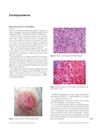
 An 86-year-old man with prostate cancer was diagnosed with a rare, low-grade breast cancer and underwent surgery but declined additional hormone therapy.
123 citations
,
June 2006 in “Journal of Neurobiology” Progesterone protects brain cells, but Provera does not.
Blocking GPR91 can help prevent and reverse hair loss in androgenetic alopecia.

Aging disrupts skin repair and stress responses, but exercise-related IL-15 improves wound healing and skin health in older skin.
 May 2017 in “Neurologie pro praxi”
 Hair loss from multiple sclerosis treatments is usually temporary.
July 2013 in “Neurosurgery” Spinal fMRI can help understand brainstem and spinal cord function, especially in spinal cord injury patients.