2 citations
,
January 2018 in “PubMed” The man's symptoms improved and the tumor shrank after treatment with cabergoline.
35 citations
,
September 2004 in “American Journal of Dermatopathology” A rare nail bed cancer was successfully treated with no recurrence after 4 years.
 April 2020 in “Journal of the Endocrine Society”
 A patient with untreated congenital adrenal hyperplasia had large benign tumors in her adrenal glands removed, improving her symptoms.
January 2005 in “Enlighten: Publications (The University of Glasgow)” Melanocyte pathology requires keratinocyte hyperplasia and regulation dysfunction.
28 citations
,
November 2018 in “American Journal of Medical Genetics Part A” ODC1 gene mutations cause a neurodevelopmental disorder with large head size, hair loss, and facial abnormalities.
May 2025 in “Journal of Clinical Medicine” Women with alopecia areata have poor blood flow, possibly due to nerve inflammation.
 August 2025 in “Endokrynologia Polska”
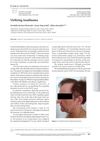
 A rare pancreatic tumor caused a woman's male-like features, treated successfully with surgery and medication.
14 citations
,
April 1976 in “Journal of Cutaneous Pathology” A calcified nodule on a boy's face came from hair follicles and expelled calcium through the skin.
32 citations
,
May 2016 in “European journal of dermatology/EJD. European journal of dermatology” Targeted therapies for advanced skin cancer often cause hair and nail problems, which need managing to avoid changing the treatment dose.
December 2020 in “Research Square (Research Square)” Neural cell nanovesicles help hair growth by activating key signals.
1 citations
,
November 2024 in “Neuro-Oncology” Temozolomide can cause severe bone marrow suppression, leading to life-threatening complications.
 4 citations
,
February 2022 in “International Journal of Dermatology”
4 citations
,
February 2022 in “International Journal of Dermatology” Porocarcinoma generally has low rates of recurrence, spread to lymph nodes, and death.
5 citations
,
October 2021 in “Journal of the American Academy of Dermatology” PRAME helps distinguish between benign and malignant skin cells in most cases.
1 citations
,
September 2023 in “Portuguese Journal of Dermatology and Venereology” Trichoscopy can help diagnose and decide when to biopsy folliculotropic mycosis fungoides.
January 2007 in “The FASEB journal” Human hair keratins help nerve regeneration and support Schwann cell activity.

Moderate facial angiofibroma significantly reduces quality of life compared to almost-clear cases, highlighting the benefits of treatment.
The microenvironment affects the behavior and survival of melanocytes with the GNAQ oncogene in melanoma.
 May 2026 in “World Journal of Advanced Research and Reviews”
 A rare foot cyst was successfully diagnosed and removed without cancer.

Laser hair removal may cause skin changes that prevent hair regrowth.
5 citations
,
February 2008 in “Histopathology”  February 2009 in “Journal of The American Academy of Dermatology”
 Most patients with Tuberous sclerosis had neurological or skin issues, and over half had psychiatric problems.
 January 2026 in “Frontiers in Oncology”
 Thorough evaluation and surgery are crucial for managing rare ovarian tumors in postmenopausal women with high androgen levels.
 3 citations
,
August 2017 in “Oral and Maxillofacial Surgery Cases”
3 citations
,
August 2017 in “Oral and Maxillofacial Surgery Cases” Using platelet-rich plasma and fat grafting to treat nerve pain showed promising results with no side effects.
26 citations
,
April 2003 in “PubMed” Hair loss in two ferrets was caused by ovarian tissue tumors, not adrenal issues.
 January 2015 in “Independent Nurse”
 Different scalp conditions can lead to hair loss or tumors, with treatments varying from creams to surgery; early detection is crucial.
July 2019 in “Tumor Biology” Bone marrow-derived cells contribute to skin tumors, suggesting new treatment targets for non-melanoma skin cancers.
51 citations
,
May 1984 in “Journal of the American Academy of Dermatology” Benign follicular mucinosis involves immune cells attacking hair follicles.
 January 2026 in “Mendeley Data”
 Hair follicle stem cell exosomes help nerve regeneration.
 July 2022 in “Journal of Investigative Dermatology”
 A specific mutation in Kras causes abnormal tissue changes by making a cell signal continuously active, which disrupts normal cell coordination.
40 citations
,
November 1966 in “Archives of Dermatology” Trichorrhexis nodosa is mainly caused by hair trauma and improves with gentler hair care.