8 citations
,
April 2024 in “The Journal of Dermatology” Neurogenic inflammation may play a role in hair loss in alopecia areata.
39 citations
,
September 2007 in “BMC developmental biology” Neuregulin3 affects cell development in the skin and mammary glands.
 December 2024 in “Brazilian Journal of Health Review”
 Early diagnosis of alopecia frontal fibrosante is crucial, but treatment remains controversial and varies.
A man developed an eye nerve issue after hair surgery due to prolonged upright posture affecting brain fluid balance.
 4 citations
,
November 2017 in “The Journal of Dermatology”
4 citations
,
November 2017 in “The Journal of Dermatology” Sorafenib may cause hair loss in a way similar to alopecia areata.
July 2026 in “SKIN The Journal of Cutaneous Medicine” Accurate diagnosis of AANS is crucial for effective treatment and hair regrowth.
 34 citations
,
December 1995 in “Pediatric Dermatology”
34 citations
,
December 1995 in “Pediatric Dermatology” Congenital Triangular Alopecia is a rare, non-scarring hair loss that can be surgically treated in females for cosmetic reasons.
1 citations
,
July 2025 in “Frontiers in Genetics” FilaggrinHigh melanomas have active FGFR signaling and weak GNA14 and Th1 signatures.
2 citations
,
January 2017 in “International Journal of Trichology” Trichoscopy can reveal specific hair and scalp changes in linear morphea.
October 2025 in “The Sri Lanka Journal of Dermatology” Inverted follicular keratosis can look like cancer but is actually a harmless tumor.
29 citations
,
July 2008 in “British Journal of Dermatology” The patient had paraneoplastic pemphigus without mucosal involvement.
 80 citations
,
June 2000 in “Modern Pathology”
80 citations
,
June 2000 in “Modern Pathology” Long-standing benign tumors can become cancerous, especially in people with weakened immune systems.
 6 citations
,
January 1985 in “ACTA HISTOCHEMICA ET CYTOCHEMICA”
6 citations
,
January 1985 in “ACTA HISTOCHEMICA ET CYTOCHEMICA” Tumor cells in calcifying epithelioma of Malherbe resemble hair follicle cells.
 1 citations
,
April 1953 in “Acta Radiologica”
1 citations
,
April 1953 in “Acta Radiologica” Irradiating the whole central nervous system can lead to over 50% of patients with cerebellar medulloblastoma surviving three years.
4 citations
,
March 2003 in “International Journal of Dermatology” Pimozide treatment resolved cysts and partially restored cheek fat in a man with Barraquer–Simons syndrome.
18 citations
,
June 2014 in “Anais Brasileiros de Dermatologia” Clouston Syndrome can be linked to rare sweat gland tumors.
 2 citations
,
May 2018 in “International journal of reproduction, contraception, obstetrics and gynecology”
2 citations
,
May 2018 in “International journal of reproduction, contraception, obstetrics and gynecology” Ovarian hemangioma is a rare, benign tumor that can be treated effectively with surgical removal.
October 2022 in “Amplla Editora eBooks” Deep Brain Stimulation helps manage Parkinson's symptoms when medication isn't enough.
 September 2025 in “Archives of Dermatological Research”
 Basal cell carcinoma is more common than squamous cell carcinoma on the scalp, especially along the part line.
December 2008 in “The Internet journal of surgery” A 16-year-old girl with a hair-eating disorder needed surgery to remove a hairball from her stomach and small bowel.
3 citations
,
January 1985 in “Acta Obstetricia Et Gynecologica Scandinavica” A rare ovarian tumor caused early puberty signs in a 1-year-old girl, but surgery reduced hormone levels.
28 citations
,
October 1984 in “Journal of Investigative Dermatology” January 2008 in “Projeto: revista mensal de arquitetura” Targeted cancer drugs can cause skin reactions, so dermatologists must manage these effects.
1 citations
,
July 2017 in “Cancer Research” Overexpressing NSD3 in mice causes breast cancer-like tumors and gland abnormalities.
January 2019 in “University of Liverpool” Equine eosinophilic granuloma is the most common skin disease in horses, while mast cell tumors are less common and differ in their cellular makeup.
January 2026 in “Annals of Pathology and Laboratory Medicine” Accurate diagnosis of rare pilomatrix carcinoma is crucial for effective treatment.
May 2019 in “CINECA IRIS Institutial Research Information System (University of Genoa)” MITF+ melanoma patients are more likely to have multiple melanomas and unique skin patterns.
 April 2022 in “Journal of The American Academy of Dermatology”
 The document suggests that nerve issues might contribute to hair loss and that testing sensation could predict these nerve problems.
 2 citations
,
November 2015 in “Actas Dermo-Sifiliográficas”
2 citations
,
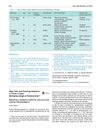
November 2015 in “Actas Dermo-Sifiliográficas” The document suggests a possible link between mast cells and scarring alopecia, recommending more research for potential treatments.
 March 2024 in “Frontiers in genetics”
 Different types of fibroblasts play specific roles in wound healing and cancer, which could help improve treatments.