 January 2018 in “Springer eBooks”
 Hidradenitis Suppurativa is likely an autoinflammatory disease, and better understanding its causes could improve treatments.
 September 2016 in “Springer eBooks”
 Fat-derived stem cells may help treat skin aging and hair loss.
 October 2015 in “Cosmetic Dermatology”
 Hair straightening changes hair structure and can cause damage if done wrong, but improvements in the methods are expected to continue.
 January 2015 in “Springer eBooks”
 Fat-derived stem cells and their secretions show promise for treating skin aging and hair loss.
 March 2013 in “Revista Brasileira de Cirurgia Plástica”
 Using platelet growth factors can improve hair density in transplants, especially for those with fine hair.
 January 2013 in “Springer eBooks”
 Hair care products are important for appearance and self-esteem, and choosing the right ones can help maintain healthy hair.
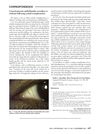 December 2012 in “Canadian journal of ophthalmology”
 Eyelash transplantation can cause eye damage and pain if not done carefully.
 July 2011 in “Microscopy and microanalysis”
 Human hair's structure makes it tough and resistant to breaking.
 June 2011 in “CRC Press eBooks”
 Low-Level Laser Therapy can stimulate healing and cell function, potentially leading to wider medical use.
 February 2008 in “Medical & surgical dermatology”
 Some treatments like topical oxygen and stem cells show promise for wound healing and hair growth, but evidence for modern dressings over traditional ones is limited.
 October 2002 in “Dermatologic Surgery”
 The document concludes that careful planning, efficient use of every hair graft, and setting surgical priorities are crucial for successful hair restoration surgery.
 June 2002 in “Seminars in Cutaneous Medicine and Surgery”
 Hair transplantation has improved to more natural-looking results and is complemented by effective non-surgical treatments, with ongoing research into hair follicle cloning.
 January 2001 in “Dermatologic Surgery”
 The letters discussed medical tools, costs, treatment efficacy, and patient care complexities.
 February 1997 in “Dermatologic Surgery”
 Math skills are crucial for planning and executing successful hair restoration surgeries.
 June 2026 in “Applied Biological Chemistry”
 The M5 method is best for isolating cells that help hair growth.
 June 2026 in “International Journal of Dermatology Venereology and Leprosy Sciences”
 Alopecia areata patients may have higher blood pressure and blood sugar, indicating a future risk of metabolic issues.

Plum-blossom needle tapping with ginger juice rubbing may help prevent hair loss after bariatric surgery.
 April 2026 in “Frontiers in Medicine”
 Upadacitinib effectively treats psoriasis and lichen planus together.
 March 2026 in “IP Indian Journal of Conservative and Endodontics”
 PRP shows promise for regenerating dental tissues.
 February 2026 in “Frontiers in Medicine”
 Personalized sonidegib dosing can effectively treat Gorlin-Goltz syndrome with fewer side effects.
 February 2026 in “Frontiers in Materials”
 Iron-curcumin nanoparticles help heal diabetic wounds faster by reducing inflammation and promoting tissue repair.
 January 2026 in “Frontiers in Drug Discovery”
 Transforming skin disease treatment requires new strategies, better drug models, and patient-focused research.
 January 2026 in “RSC Advances”
 The hydrogel helps heal wounds without scars by releasing two drugs gradually.
 December 2025 in “Journal of Composites and Compounds”
 Composite biomaterials can precisely control immune responses for better disease treatment.
 November 2025 in “Frontiers in Nutrition”
 Olive leaf extract may help reduce aging signs in postmenopausal women.
 November 2025 in “Communications Materials”
 Pomelo peel can be turned into materials that help stop bleeding and heal wounds better than commercial dressings.
 October 2025 in “Frontiers in Medicine”
 The minoxidil-finasteride combination is more effective for hair growth than minoxidil alone.

Steatocystomas are harmless skin cysts that can vary in size and may sometimes cause itching or pain.
 March 2024 in “Cleveland Clinic journal of medicine”
 Alpha-blockers and 5-alpha reductase inhibitors are main treatments for BPH, with new support for phosphodiesterase-5 inhibitors and beta-3 agonists.
 December 2023 in “bioRxiv (Cold Spring Harbor Laboratory)”
 Aged individuals heal wounds less effectively due to specific immune cell issues.