25 citations
,
October 1985 in “Archives of Ophthalmology” The pigment in black eyeliner can spread in the skin and may cause permanent eyelash loss.
2 citations
,
January 1999 in “Dermatology” 6 citations
,
January 2020 in “Elsevier eBooks” Nanoparticles could make hair dyes safer by reducing harmful effects.
 138 citations
,
November 2015 in “Journal of Pharmacology and Experimental Therapeutics”
138 citations
,
November 2015 in “Journal of Pharmacology and Experimental Therapeutics” Protoporphyrin IX is useful in cancer treatment but can cause health problems if not properly regulated.
6 citations
,
December 2022 in “Toxicological Research” June 2025 in “OPAL (Open@LaTrobe) (La Trobe University)” A new hair dye method uses polyphenols and oxidation to create a long-lasting brown color on gray hair.
3 citations
,
September 2023 in “Journal of Photochemistry and Photobiology A Chemistry” 17 citations
,
February 2011 in “International Journal of Cosmetic Science” Grey hair is wilder, drier, and less manageable than pigmented hair.
25 citations
,
January 2013 in “Colloids and surfaces. B, Biointerfaces” Hair dye colors mainly target melanin granules in black hair.
October 2023 in “Biomimetics” The new hair-dyeing shampoo is safe, colors hair evenly, and strengthens it.
 December 2025 in “Scientific Reports”
 α-Mangostin can naturally lighten skin by reducing melanin.
1 citations
,
January 2025 in “Regenerative Biomaterials” Exosomes from Pinctada martensii mucus can safely reduce melanin production, offering a new treatment for skin pigment issues.
2 citations
,
December 1988 in “PubMed” C.I. Acid Orange 3 caused cancer in female rats but not in male rats or mice.
December 2025 in “Sustainable Chemistry One World” Mangosteen waste can be used as an eco-friendly natural hair dye, producing a lasting reddish color and strengthening hair.
 May 2026 in “Zenodo (CERN European Organization for Nuclear Research)”
 Natural hair dyes like henna and beetroot are safer but have limited colors and may fade easily.
 August 2025 in “Annals of Medicine”
 Mycophenolate mofetil may safely help restore skin color in depigmentation conditions.
 November 2022 in “Journal of Investigative Dermatology”
 A new molecule was found to be a safe and effective skin lightener and anti-aging product.
August 2024 in “Journal of the American Academy of Dermatology” Nail color change might be an early sign of skin pigmentation from minocycline.

Coreopsis tinctoria Nutt. extract can effectively dye hair yellow or dark brown with good wash durability.
9 citations
,
July 2022 in “Journal of Cosmetic Dermatology” The ammonia-free hair dye is safe and improves hair shine, color, moisture, porosity, and combability.
48 citations
,
May 2021 in “Molecules” Plant extracts from dry flowers can be used as safe, effective dyes in cosmetics, offering skin protection and anti-aging benefits.
 May 2026 in “Zenodo (CERN European Organization for Nuclear Research)”
 The herbal hair dye with Barleria prionitis is a safe, effective, and natural alternative to chemical dyes.
 September 2025 in “Journal of Science Innovations and Nature of Earth”
 Anthocyanins in berries and purple veggies offer health benefits but need better processing for full use.
 May 2026 in “Zenodo (CERN European Organization for Nuclear Research)”
 The herbal hair dye is a safe, effective, and natural alternative to chemical dyes.
7 citations
,
March 1990 in “Pigment Cell Research” Certain chemicals cause hair graying in black mice but not yellow mice.
5 citations
,
January 2011 in “International Journal of Cosmetic Science” 1,2,3,4-tetrahydroquinoline compounds are great for stable, pure blue hair dye.
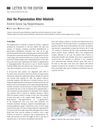 April 2025 in “Turkish Journal of Hematology”
 Nilotinib may cause gray hair to return to its original color.
20 citations
,
February 2023 in “Biology” Innovative cosmetics could safely change hair color by targeting biological hair pigmentation processes.
 January 1990 in “Springer eBooks”
 Some chemicals can permanently or temporarily remove color from skin and hair, which can be distressing and is not well-regulated in cosmetics.
62 citations
,
December 1941 in “Experimental biology and medicine” Eating phenylthiocarbamide made all the rats' hair go gray, but some returned to their original color after stopping.