 2 citations
,
August 2020 in “International Journal of Cosmetic Science”
2 citations
,
August 2020 in “International Journal of Cosmetic Science” Lindera strychnifolia root extract may help balance scalp bacteria and potentially reduce hair loss.
 1 citations
,
January 2021 in “Dermatologic Therapy”
1 citations
,
January 2021 in “Dermatologic Therapy” Trichobiolight effectively treats hair loss with 82.5% success.
1 citations
,
January 2018 in “Annals of Medical and Health Sciences Research” People with male pattern baldness are more likely to have metabolic syndrome.
 1 citations
,
May 2017 in “InTech eBooks”
1 citations
,
May 2017 in “InTech eBooks” The document explains the causes, types, diagnosis, and treatments of hair loss, and its psychological impact, especially on women.
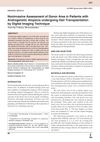 1 citations
,
January 2017 in “International Journal of Dermoscopy”
1 citations
,
January 2017 in “International Journal of Dermoscopy” Digital imaging can effectively evaluate the donor area for hair transplants, showing variations in hair density and grouping by age and severity of hair loss.
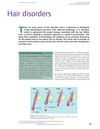 1 citations
,
December 2010 in “InnovAiT”
1 citations
,
December 2010 in “InnovAiT” The document concludes that accurate diagnosis and appropriate management are crucial for treating various hair disorders, which have significant psychological impacts.
 July 2026 in “Clinical Cosmetic and Investigational Dermatology”
 Sesbania grandiflora improves hair growth and health.
 June 2026 in “Aesthetic Cosmetology and Medicine”
 The polynucleotide-based gel effectively treats hair loss with minimal side effects.
 April 2026 in “Brazilian Journal of Hair Health”
 Combining exosomes with microneedling may improve hair growth in androgenetic alopecia.
 January 2026 in “International Journal of Applied Pharmaceutics”
 A 10% MSC secretome hair tonic best promotes hair growth in alopecia.
 January 2026 in “International Journal of Dermatology Venereology and Leprosy Sciences”
 Topical 5% minoxidil is effective and safe for treating androgenetic alopecia, especially in younger patients with early-stage hair loss.
PRP therapy improves hair density and satisfaction more than Minoxidil for androgenetic alopecia.
 August 2025 in “Research Square (Research Square)”
 High TNF-α levels may increase hair loss risk after PRP therapy.
A runner developed tangled armpit hairs from shirt friction, preventable by shaving or wearing smooth shirts.
 August 2024 in “Saudi Journal of Medical and Pharmaceutical Sciences”
 PRP combined with minoxidil is the most effective treatment for hair growth in androgenetic alopecia.
 January 2024 in “Clinical dermatology open access journal”
 Hemp-derived cannabinoids can benefit skin and hair without causing a high.
 January 2022 in “Clinical dermatology open access journal”
 Certain cannabinoids may help increase hair growth and could be useful for treating hair loss.
Low-level laser therapy combined with Neoptide improved hair regrowth better than either treatment alone in rats.
 January 2013 in “Anthropology”
 Untreated androgenetic alopecia leads to progressive hair loss in men.
 July 2012 in “Springer eBooks”
 The document concludes that proper diagnosis and treatment of nonscarring alopecias can improve quality of life and hair regrowth is possible as the hair follicle remains intact.
 January 2012 in “Human health handbooks”
 Low-level light therapy is FDA-approved for male pattern hair loss, increases hair count and strength, and is considered safe for use.
 January 2018 in “Sohag Medical Journal”
 Combining topical dutasteride with microneedling is more effective for hair growth than microneedling alone.
 January 2015 in “Journal of Cytology and Histology”
 Hair loss in Androgenetic Alopecia is not caused by damage to follicular stem cells.
 37 citations
,
January 2010 in “International Journal of Trichology”
37 citations
,
January 2010 in “International Journal of Trichology” Hair loss affects quality of life, self-esteem, and confidence, but younger patients cope better.
 28 citations
,
March 2009 in “Clinical and Experimental Dermatology”
28 citations
,
March 2009 in “Clinical and Experimental Dermatology” There is no significant link between male pattern baldness and insulin resistance.
 27 citations
,
June 2019 in “Aesthetic Plastic Surgery”
27 citations
,
June 2019 in “Aesthetic Plastic Surgery” Platelet-Rich Plasma (PRP) treatment may increase hair growth for genetic hair loss, but more research is needed to confirm this.
 15 citations
,
February 2017 in “International Journal of Women's Dermatology”
15 citations
,
February 2017 in “International Journal of Women's Dermatology” Hair aging and loss are caused by genetics, hormones, environment, and grooming, with treatments like minoxidil effective for certain types of hair loss.
 10 citations
,
May 2020 in “Journal of Dermatological Treatment”
10 citations
,
May 2020 in “Journal of Dermatological Treatment” Microneedling with 5% minoxidil improves hair loss in Chinese men by activating Wnt/ß-catenin pathway.
 8 citations
,
March 2020 in “Metabolites”
8 citations
,
March 2020 in “Metabolites” Finasteride treatment changes urine metabolomics and steroid signatures, potentially monitoring effectiveness but may cause sexual side effects.
 7 citations
,
October 2017 in “The Prostate”
7 citations
,
October 2017 in “The Prostate” Baldness in men with prostate cancer is linked to higher levels of certain sex hormones, but chest hair density is not.