April 2023 in “Journal of Investigative Dermatology” PRP can improve hair growth in people with hair loss, but more research is needed.
 April 2019 in “Journal of Investigative Dermatology”
 Researchers fixed gene mutations causing a skin disease in stem cells, which then improved skin grafts in mice.
 81 citations
,
November 2012 in “Journal of the National Cancer Institute”
81 citations
,
November 2012 in “Journal of the National Cancer Institute” The tumor suppressor gene FLCN affects mitochondrial function and energy use in cells.
17 citations
,
November 2017 in “Experimental physiology” Breathing in newborn rats is affected differently by hormones based on their sex.
May 2025 in “International Journal of Biological Macromolecules” A new microneedle treatment shows promise for better hair regrowth in androgenetic alopecia.
April 2023 in “Journal of Investigative Dermatology” AL136131.3 slows hair growth by affecting energy processes in hair loss.
MIR135b affects wound healing by targeting genes, and PDRN may help heal wounds by altering this pathway.
37 citations
,
August 2011 in “Journal of Bone and Mineral Research” A girl had rickets due to a gene mutation affecting vitamin D response.
 23 citations
,
December 2013 in “British Journal of Dermatology”
23 citations
,
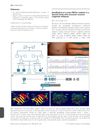
December 2013 in “British Journal of Dermatology” A new gene mutation linked to a skin condition was found in a Spanish family.
 October 2023 in “Journal of Advanced Sciences”
 Platelet Rich Fibrin (PRF) is a safe, effective tool for tissue regeneration and healing in various medical fields.
 April 2026 in “Laboratory Animal Research”
 The new Hairless R/J mice model improves imaging for tumor monitoring and cancer therapy evaluation.
37 citations
,
February 2010 in “Psychoneuroendocrinology” Androgen self-administration might be controlled by membrane receptors, not nuclear ones.
 49 citations
,
November 2014 in “Journal of Medicinal Food”
49 citations
,
November 2014 in “Journal of Medicinal Food” Red Ginseng Extract may help human hair grow by activating growth pathways and blocking negative effects of certain hormones.
372 citations
,
December 2004 in “Nature Genetics” 36 citations
,
September 2009 in “Molecular Neurobiology”  510 citations
,
August 2006 in “Endocrinology”
510 citations
,
August 2006 in “Endocrinology” The vitamin D receptor is involved in multiple body functions beyond calcium regulation, including immune response and rapid reactions not related to gene activity.
Ribonucleotide excision repair is crucial to prevent skin cancer.
28 citations
,
November 2009 in “European Journal of Neuroscience” Progesterone and allopregnanolone increase glycine release in rat brain cells.
May 2025 in “Experimental Dermatology” A new genetic tool improves the study of hair growth and potential hair disorder treatments.
 3 citations
,
August 2020 in “Journal of Cosmetic Dermatology”
3 citations
,
August 2020 in “Journal of Cosmetic Dermatology” Topical nitroglycerin spray effectively prevents scalp necrosis in hair transplant patients.
 211 citations
,
May 2013 in “Journal of Nutrition Health & Aging”
211 citations
,
May 2013 in “Journal of Nutrition Health & Aging” MK-0773 safely increased muscle mass but did not improve muscle strength or function in elderly women with sarcopenia.
 September 2025 in “OBM Genetics”
 Early diagnosis and comprehensive management improve life quality for Netherton syndrome patients.
April 2011 in “Cancer Research” 20(S)-Protopanaxadiol-aglycone may help prevent and treat prostate cancer by reducing androgen receptor activity.
May 2026 in “Cell Reports Medicine” FR-1 reduces skin scarring and promotes healing without harmful effects.
January 2004 in “Pharmaceutical biotechnology” Finasteride effectively inhibits the enzyme steroid 5 alpha-reductase II.
11 citations
,
December 2021 in “Journal of Ginseng Research/Journal of ginseng research” Red ginseng oil is believed to have various health benefits and is safe, but more research is needed to fully understand how it works.
December 2018 in “72° Congresso di Anatomia e Istologia” Micro-grafts improved hair growth in patients with hair loss.
Ribonucleotide excision repair is crucial to prevent skin cancer.
17 citations
,
February 2018 in “Journal of Investigative Dermatology” PPAR-γ signaling improves mitochondrial function in hair follicles, potentially affecting hair growth and aging.
 5 citations
,
June 2024 in “Developmental Cell”
5 citations
,
June 2024 in “Developmental Cell” Activating TRPV1 can boost hair growth by involving neurons, macrophages, and fibroblasts.