 September 2023 in “Journal of The American Academy of Dermatology”
 Raman spectroscopy is promising for measuring and enhancing drug delivery in alopecia treatments.
 16 citations
,
July 2000 in “Dermatologic surgery”
16 citations
,
July 2000 in “Dermatologic surgery” The multi-injection plate is a less painful and more efficient method for treating patchy hair loss.
 May 2011 in “Value in Health”
 No current patient-reported outcome measure fully meets FDA requirements for alopecia treatments.
 March 2020 in “Clinical research in dermatology”
 Two unusual cases showed that Lichen Planopilaris can look like other skin conditions and need early treatment to protect hair.
 2 citations
,
July 2023 in “Journal of cosmetic dermatology”
2 citations
,
July 2023 in “Journal of cosmetic dermatology” JAK inhibitors are more effective and safer for treating alopecia areata than dupilumab and apremilast.
6 citations
,
September 2019 in “Indian Journal of Dermatology”  April 2019 in “Journal of Investigative Dermatology”
 Combining platelet-rich plasma injections and gel may effectively treat morphea, improving skin elasticity and reducing pain.
The best cream-mask base for treating hair loss includes specific emulsifiers, Carbopol, and guar gum.
January 2026 in “Open MIND” Targeting the PIEZO1 and MLCK axis may offer a new treatment for hair loss.
 16 citations
,
January 2001 in “Clinical and Experimental Dermatology”
16 citations
,
January 2001 in “Clinical and Experimental Dermatology” Photodynamic therapy was effective in treating multiple scalp basal cell carcinomas with minimal side effects and good cosmetic results.
 September 2018 in “University of the Arts London Research Online (University of the Arts London)”
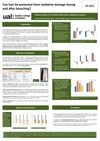
 L-arginine, hydrolysed keratin, and cystine-silanol copolymer can help protect hair from damage during and after bleaching.
16 citations
,
March 1996 in “PubMed” Switching to twice-weekly betamethasone led to full hair regrowth in 3 months without side effects.
2 citations
,
July 2013 in “Acervo Digital da Universidade Estadual Paulista (Universidade Estadual Paulista)” The shampoo effectively defines and models curls while reducing frizz and volume.
14 citations
,
November 2015 in “Dermatology” The research provided insights into the presentation and management of alopecic and aseptic nodules of the scalp.
 29 citations
,
August 2007 in “Annals of Oncology”
29 citations
,
August 2007 in “Annals of Oncology” Docetaxel and oxaliplatin are effective and have manageable side effects for recurrent platinum-sensitive ovarian cancer.
November 2025 in “Journal of Investigative Dermatology” IMG-007 helps regrow hair and reduce scalp inflammation in severe alopecia areata.
 September 2018 in “Cosmetics”
 Inositol and arginine solutions improve hair follicle health and turnover.
48 citations
,
November 2018 in “Journal of dermatological treatment” Women are more likely to have Lichen planopilaris, and treatments with cyclosporine and methotrexate are most effective but less safe than mycophenolate mofetil.
 June 2024 in “International Journal of Dermatology”
 Upadacitinib may effectively treat resistant lichen planopilaris.
 January 2026 in “Clinical Cosmetic and Investigational Dermatology”
 Polynucleotides show promise for improving skin conditions safely but need more research.
12 citations
,
October 2022 in “Facial Plastic Surgery” Polycaprolactone gel is effective and safe for treating nasolabial folds.
 April 2023 in “Journal of Investigative Dermatology”
 Protein analysis shows aging changes in scalp cell types from women.
1 citations
,
January 2016 PRP is a promising non-surgical option for skin and hair rejuvenation.
 October 2025 in “Advanced Healthcare Materials”
 The hydrogels improve wound healing and tissue regeneration better than traditional treatments.
 1 citations
,
April 2025 in “JOJ Dermatology & Cosmetics”
1 citations
,
April 2025 in “JOJ Dermatology & Cosmetics” The collagen booster may improve healing after CO2 laser treatment for skin aging.
September 2024 in “Revista Foco” Platelet-Rich Plasma (PRP) is a safe and effective tool for facial rejuvenation and scar treatment.
Poly-D,L-lactic acid boosts hair growth in aged skin by activating hair follicle stem cells.
January 2024 in “Journal of the American Academy of Dermatology” Gabapentin helps with scalp itch, dutasteride works for frontal fibrosing alopecia, and more research is needed for better PCA treatments.
30 citations
,
September 2011 in “International Wound Journal” Platelet-rich plasma gel helps heal chronic wounds better than before treatment.
November 2025 in “Advanced Healthcare Materials” Charge-conversion chemistry improves hair-rebonding by enhancing penetration and strength.