54 citations
,
January 1980 in “Dermatology” 17α-estradiol lotion can reduce hair loss but doesn't promote new hair growth.
 January 2021 in “Journal of cosmetology & trichology”
 L-(+)-Tartaric Acid may help increase certain hair growth genes without harming cells.
19 citations
,
May 2010 in “Surface and interface analysis” 18-MEA is essential for hair's water resistance, and a conditioner with 18-MEA and SPDA can restore it.
September 2024 in “Research Repository Universitas Islam Negeri Maulana Malik Ibrahim (University of Southampton)” The optimized chia seed oil shampoo is effective and meets quality standards.
 June 2022 in “Research Square (Research Square)”
 Lipid peroxidation may worsen social behavior issues in autism.
Olive leaves extract may help treat benign prostatic hyperplasia (BPH).
56 citations
,
July 2020 in “Journal of Dermatological Treatment” Azelaic acid is safe and effective for treating rosacea and other skin issues.
July 2024 in “Journal of Investigative Dermatology”  November 2025 in “Zenodo (CERN European Organization for Nuclear Research)”
 Natural hair oils are effective for nourishing and protecting hair, with future focus on safety and sustainability.
 12 citations
,
August 2018 in “BMC Biotechnology”
12 citations
,
August 2018 in “BMC Biotechnology” A protein found in safflower seeds can stimulate hair growth and speed up wound healing in mice.
Lavender and tea seed oil in nanostructured carriers boost hair growth better than a commercial product.
"Coco de mono" seeds cause temporary hair loss due to selenocystathionine.
 May 2024 in “Journal of medicinal food”
 Jojoba oil has many uses beyond skincare, including health benefits and pharmaceutical applications.
December 2025 in “Experimental Dermatology” Improving blood vessel health and controlling uric acid may help manage alopecia areata.
 27 citations
,
July 1982 in “British Journal of Dermatology”
27 citations
,
July 1982 in “British Journal of Dermatology” The antiandrogen 11α-hydroxyprogesterone effectively reduces skin oil and cholesterol when applied to the skin.
6 citations
,
November 2019 in “Journal of Cosmetic Dermatology” The compound improved hair growth and reduced hair loss.
March 2026 in “Journal of obstetrics and gynaecology research” Ark-e-Kasni improves PCOS symptoms and may be a potential treatment.
 August 2024 in “Biomedical Journal of Scientific & Technical Research”
 Jute leaves may help reduce DHT levels, potentially aiding in conditions like hair loss and prostate issues.
 72 citations
,
June 2019 in “International Journal of Cosmetic Science”
72 citations
,
June 2019 in “International Journal of Cosmetic Science” 18β-glycyrrhetinic acid from licorice root is good for skin and hair treatments but has absorption challenges.
The study concluded that the developed method can show how argan, avocado, and coconut oils penetrate and change hair, suggesting these oils are effective in hair treatments.
 February 2020 in “International research journal of pharmacy”
 The emulsion made from tea plant and onion extracts shows promise for treating hair loss.
 14 citations
,
March 2023 in “Scientific Reports”
14 citations
,
March 2023 in “Scientific Reports” Oxidative stress, not insulin resistance, is significantly related to free androgen index in PCOS.
 31 citations
,
October 2010 in “Progress in lipid research”
31 citations
,
October 2010 in “Progress in lipid research” LPA3 is crucial for embryo implantation and links LPA to prostaglandin signaling.
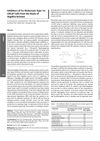 22 citations
,
February 2002 in “Planta Medica”
22 citations
,
February 2002 in “Planta Medica” Compounds from Angelica koreana roots, especially osthenol, could be effective for treating conditions like prostate disease and hair loss.
 2 citations
,
June 2022 in “Journal of Applied Pharmaceutical Science”
2 citations
,
June 2022 in “Journal of Applied Pharmaceutical Science” 4-O-Methylhonokiol from Magnolia shows promise for hair growth, cancer, diabetes, and more, but needs better absorption.
Lavender and tea seed oil in nanostructured carriers effectively promote hair growth.
 July 2025 in “ACS Pharmacology & Translational Science”
 Maslinic acid from olive extracts promotes hair growth like minoxidil.
52 citations
,
July 1998 in “Urology” Liarozole may be more effective than cyproterone acetate for treating advanced prostate cancer, with better PSA response and survival rates, while maintaining quality of life.
September 2017 in “Zenodo (CERN European Organization for Nuclear Research)” Liquorice extract may help treat acne by reducing sebum production.
 August 2016 in “Journal of Investigative Dermatology”
 The endocannabinoid system affects oil production and inflammation in skin cells.