 9 citations
,
February 2022 in “Genes”
9 citations
,
February 2022 in “Genes” Women with PCOS have more Bifidobacterium in their gut compared to those without PCOS.
502 citations
,
February 2008 in “The Journal of Clinical Endocrinology & Metabolism” Treat significant hirsutism with medication and hair removal; use birth control pills first, adding antiandrogens if needed.
 68 citations
,
January 2022 in “International Journal of Molecular Sciences”
68 citations
,
January 2022 in “International Journal of Molecular Sciences” PCOS management includes lifestyle changes and medications, with ongoing research into repurposed drugs for better treatment options.
 48 citations
,
April 2015 in “PLOS ONE”
48 citations
,
April 2015 in “PLOS ONE” Excessive hair growth affects the quality of life of Iranian women with PCOS the most.
40 citations
,
September 2024 in “European Journal of Endocrinology” PCOS affects about 6.3% of teens globally, and ongoing checks are advised for those with irregular cycles or high androgen levels.
37 citations
,
October 2024 in “JAMA Network Open” PCOS is common among Indian women, often with metabolic issues, needing better management strategies.
22 citations
,
September 2024 in “Human Reproduction Update” Androgen measurement helps diagnose PCOS, but accuracy varies, needing standard methods.
 17 citations
,
July 2015 in “Biomolecules and Biomedicine”
17 citations
,
July 2015 in “Biomolecules and Biomedicine” High Nesfatin-1 and low Vitamin D may increase blood pressure and heart rate in women with PCOS.
14 citations
,
January 2025 in “Reproductive Medicine and Biology” PCOS diagnosis and treatment should consider race and ethnicity for accuracy.
10 citations
,
March 2024 in “Endocrine Reviews” Significant progress was made in understanding androgen excess disorders, but much is still unknown.
7 citations
,
October 2024 in “Livers” Sex hormones affect liver fat and metabolic health differently in men and women.
 5 citations
,
February 2023 in “Journal of Clinical Medicine”
5 citations
,
February 2023 in “Journal of Clinical Medicine” Diagnosing and treating PCOS in teenagers is difficult, and the focus is on lifestyle changes and medication to improve health and prevent future issues.
 4 citations
,
December 2021 in “Experimental and Therapeutic Medicine”
4 citations
,
December 2021 in “Experimental and Therapeutic Medicine” Adult female acne is complex and requires a combination of treatments for effective management.
4 citations
,
January 2018 in “JBRA assisted reproduction” Orlistat helped reduce weight and testosterone in obese women with PCOS but did not significantly affect other androgens or cholesterol levels.
4 citations
,
December 2017 in “InTech eBooks” Lifestyle changes and insulin-sensitizing drugs are effective for managing PCOS.
3 citations
,
September 2025 in “Frontiers in Cardiovascular Medicine” Women with PCOS have a higher risk of heart disease.
 2 citations
,
February 2023 in “BMC women's health”
2 citations
,
February 2023 in “BMC women's health” Birth control pills change the activity of certain inflammation and blood clotting genes in women with PCOS.
 1 citations
,
July 2023 in “Frontiers in Immunology”
1 citations
,
July 2023 in “Frontiers in Immunology” Oxidative stress and immune dysfunction are linked to both Hashimoto's thyroiditis and polycystic ovary syndrome, with diet and specific treatments important for managing these conditions.
November 2025 in “IntechOpen eBooks” PCOS causes sexual dysfunction, needing comprehensive treatment.
September 2025 in “Obstetrics and gynecology.” Myoinositol effectively manages PCOS with fewer side effects than metformin.
January 2025 in “Human Reproduction Open” 25% of premenopausal women with Type 1 diabetes have undiagnosed androgen excess disorders.
 December 2024 in “Archiv Euromedica”
 Early diagnosis and personalized treatment are crucial for managing PCOS and preventing complications.
 August 2023 in “Journal of Clinical Medicine”
 Metformin lowers prolactin in women without PCOS but not in those with PCOS, where it reduces other hormones instead.
 May 2023 in “Metabolites”
 Myo-inositol plus α-lactalbumin works better than myo-inositol alone for improving symptoms of PCOS.
Mohamed Kandil suggests renaming Polycystic Ovary Syndrome to "Polyfollicular Anovulatory Androgenic Syndrome" to better describe its symptoms, but concerns exist that it may not cover all related issues like obesity and depression.
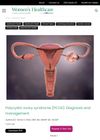 September 2022 in “Women's healthcare”
 PCOS is managed by lifestyle changes and personalized medication to improve symptoms and fertility.
 January 2022 in “IntechOpen eBooks”
 Some lesser-known causes of PCOS include autoimmune issues, genetic mutations, and changes in the body's microbiome.
 October 2016 in “Journal of the Dermatology Nurses’ Association”
 Polycystic Ovary Syndrome (PCOS) affects 6%-15% of women of reproductive age, causing symptoms like acne and hair loss, and increasing the risk of type 2 diabetes and heart disease; it's managed through diet, exercise, and medications like Metformin and hormonal contraceptives.
 2 citations
,
January 2018 in “Open Journal of Obstetrics and Gynecology”
2 citations
,
January 2018 in “Open Journal of Obstetrics and Gynecology” A significant number of Nigerian women struggling with infertility have Polycystic Ovary Syndrome, with the exact percentage varying based on the diagnostic criteria used.
March 2023 in “Anais Brasileiros De Dermatologia” Topical minoxidil is the best-supported treatment for female hair loss, but personalized plans are needed.