January 2019 in “Frontiers in neurology” A nutrition program improved a young woman's concussion symptoms.
 December 2018 in “DergiPark (Istanbul University)”
 The cat's skin condition improved with treatment, but underlying health issues must be addressed.
October 2018 in “Archivio Istituzionale della Ricerca (Universita Degli Studi Di Milano)” A balanced diet rich in fruits, vegetables, and healthy fats is crucial for maintaining healthy hair and preventing hair loss.
 July 2018 in “International journal of clinical & experimental dermatology”
 Eat a balanced diet for healthy hair; only use supplements if you have a proven nutrient deficiency.
April 2018 in “Journal of Investigative Dermatology” The supplement improved hair growth, strength, and moisture.
 September 2017 in “Clinical and Experimental Dermatology”
 The document summarized various dermatology studies and case reports.
 January 2017 in “Springer eBooks”
 Eating a balanced diet with specific nutrients can help manage menopause symptoms and prevent related health issues.
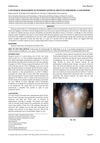 March 2016 in “Journal of evolution of medical and dental sciences”
 Combining OMP with cyclosporine can effectively treat severe alopecia areata in children.
The document concludes that hair loss in women is complex, often linked to aging, health conditions, and nutritional deficiencies, and emotional impacts should not be underestimated.
 January 2015 in “Journal of Nutrition and Health”
 Fish oil improves hair growth in diabetic and high-cholesterol rats.
 July 2014 in “Elsevier eBooks”
 The document concludes that various hypersensitivity diseases in horses can be diagnosed and treated with methods like immunotherapy and medication, and early aggressive treatment is crucial for severe diseases like equine cutaneous pythiosis.
 April 2014 in “Journal of evolution of medical and dental sciences”
 Women over forty can maintain skin and hair health with lifestyle and dietary changes.
Linoleic acid is essential for healthy skin, and while deficiency is rare in Western societies, it can cause dry, scaly skin and hair loss.
 December 2011 in “InTech eBooks”
 Systemic corticosteroids can help treat rapidly spreading vitiligo but require more research for safer use.
January 2011 in “China Surfactant Detergent & Cosmetics” Linseed oil is good for moisturizing skin and promoting hair growth.
Apeiba tibourbou seed oil has analgesic and anti-inflammatory effects, making it potentially useful for food and medicine.
A black Doberman with hair loss improved partially with omega-3/omega-6 treatment.
 July 2012 in “Medical Hypotheses”
 Artemis dysfunction might cause hair loss through telomere shortening.
 21 citations
,
October 2011 in “PloS one”
21 citations
,
October 2011 in “PloS one” Certain molecules in hair change with age and could be used for cosmetic treatments.
 31 citations
,
May 2021 in “Journal of endocrinological investigation”
31 citations
,
May 2021 in “Journal of endocrinological investigation” APS-1 in Italy shows diverse AIRE mutations and various autoimmune issues.
 12 citations
,
June 2021 in “Scientific Reports”
12 citations
,
June 2021 in “Scientific Reports” Curcumin may help reverse aging by targeting specific genes.
5 citations
,
January 2025 in “Burns & Trauma” Machine learning and single-cell analysis improve understanding and treatment of wound healing.
3 citations
,
September 2024 in “International Journal of Molecular Sciences” Mathematical modeling helps understand and predict the MAPK cell signaling pathway.
1 citations
,
January 2024 in “Animal Research and One Health” Mouse models are essential for studying and improving genetic traits in agriculture.
July 2026 in “Frontiers in Bioengineering and Biotechnology” A combination of advanced human-relevant models and new technologies is needed to improve wound healing research.
March 2026 in “Skin Appendage Disorders” Belatacept may be a promising treatment for alopecia areata.
 February 2026 in “International Journal of Molecular Sciences”
 3D human skin models show promise for dermatology but face challenges in standardization and cost.
 January 2026 in “Biology”
 Androgenetic alopecia is influenced by multiple genes and pathways, with genetic risk varying by population, and personalized treatments are being explored.
Machine learning improves DNA predictions for eye and hair color, but challenges remain for skin tone and facial features.
January 2026 in “Wound Repair and Regeneration” Skin organoids are improving research but need better blood supply, nerve function, and immune system integration.