 64 citations
,
July 1997 in “Journal of The American Academy of Dermatology”
64 citations
,
July 1997 in “Journal of The American Academy of Dermatology” Finding eosinophils near hair bulbs helps diagnose alopecia areata.
January 2025 in “NATIONAL BOARD OF EXAMINATIONS JOURNAL OF MEDICAL SCIENCES” Dermoscopy is useful for accurately diagnosing syphilitic alopecia.
January 2006 in “Dianzi xianwei xuebao” Netherton syndrome causes specific skin and hair changes that help in early diagnosis.
 May 2017 in “InTech eBooks”
 Trichoscopy and trichogram are useful for diagnosing hair and scalp conditions.
 May 2026 in “Journal of Cutaneous and Aesthetic Surgery”
 Trichoscopy helps monitor changes and detect issues after hair transplants.
 18 citations
,
June 2017 in “Journal of The American Academy of Dermatology”
18 citations
,
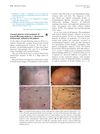
June 2017 in “Journal of The American Academy of Dermatology” Trichoscopy helps diagnose frontal fibrosing alopecia, even with unusual patterns.
 January 2019 in “The Egyptian Journal of Hospital Medicine”
 Trichoscopy helps effectively tell apart different types of patchy hair loss in Egyptian patients.
2 citations
,
July 2011 in “International Journal of Dermatology” EPF can occur without visible pustules.
 December 2025 in “International Journal of Research in Dermatology”
 Keratosis pilaris is common in young females, and dermoscopy helps diagnose it accurately.
1 citations
,
January 2022 in “Skin Appendage Disorders” Lupus erythematosus can mimic alopecia areata, and trichoscopy is key for accurate diagnosis and better patient outcomes.
A new imaging method helps see and study touch nerve endings in mouse skin.
December 2024 in “JAAD International” January 2023 in “Journal of Clinical and Diagnostic Research” Trichoscopic patterns often overlap in scalp disorders, so dermatologists need to stay updated.
 January 2023 in “Skin appendage disorders”
 Hair restoration surgery can change the appearance of hair when examined with a special magnifying tool.
5 citations
,
July 2023 in “Microorganisms” The study found specific skin and cell changes in patients with monkeypox, helping diagnose and understand the disease.
 January 2024 in “Asian Journal of Medical Sciences”
 Dermoscopes help tell FPHL apart from other hair loss types and can detect it early by identifying specific patterns.
7 citations
,
January 2015 in “PubMed” Ultrasound biomicroscopy is useful for viewing hair follicles in alopecia areata.
1 citations
,
March 2019 in “Dermatology Reports” Dermoscopy can help diagnose tinea capitis but should be used with other tests.
7 citations
,
March 2020 in “Journal of the American Academy of Dermatology” EGFR inhibitors often cause dry, brittle hair and eyebrow/eyelash changes.
September 2024 in “Journal of the American Academy of Dermatology” 6 citations
,
January 2015 in “Indian Dermatology Online Journal” PEODDN is a rare skin disorder with limited treatment options, best treated with laser therapy.
 January 2022 in “Journal of Dermatology and Dermatologic Surgery”
 Trichoscopy is useful for quickly diagnosing different types of hair loss without needing biopsies.
December 2022 in “The Turkish Journal of Pediatrics” Hair examination helps diagnose rare neurological diseases in children.
Multiphoton microscopy can effectively distinguish between scarring and non-scarring alopecia.
 33 citations
,
August 2013 in “British Journal of Dermatology”
33 citations
,
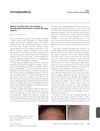
August 2013 in “British Journal of Dermatology” Lack of small, fine hair on the front hairline is a key sign of frontal fibrosing alopecia.
 December 2023 in “Journal of dermatology”
 The study concluded that key signs of Keratosis follicularis spinulosa decalvans are changes in terminal hair and vellus hair follicles, which likely start the inflammation and damage to hair follicles.
11 citations
,
January 1977 in “Archives of dermatological research” Mouse tail skin has different keratinization near hair follicles and scales.
 3 citations
,
January 2020 in “Clinical dermatology review”
3 citations
,
January 2020 in “Clinical dermatology review” Trichoscopy is useful for diagnosing hair and scalp disorders in people with darker skin.
February 2026 in “Veterinary Dermatology” Coat-type differences in Pomeranians affect Alopecia X diagnosis and treatment.
 38 citations
,
January 2016 in “Indian Journal of Dermatology, Venereology and Leprology”
38 citations
,
January 2016 in “Indian Journal of Dermatology, Venereology and Leprology” Trichoscopy is useful for diagnosing different types of hair loss.