6 citations
,
January 2024 in “Journal of Biotechnology and Biomedicine” Atopic dermatitis needs personalized treatment using various therapies, starting with topical corticosteroids.
September 2025 in “International Journal of Molecular Sciences” International guidelines for treating alopecia areata vary, focusing on different treatment options and related health issues.
8 citations
,
May 2025 in “Pharmaceuticals” In 2024, the FDA approved 27 innovative small-molecule drugs, with many offering significant treatment improvements.
45 citations
,
May 2024 in “International Journal of Molecular Sciences” Alopecia areata is caused by immune attacks on hair follicles, affecting hair growth and quality of life.
37 citations
,
November 2017 in “Medical Sciences” Melanoma's complexity requires personalized treatments due to key genetic mutations and tumor-initiating cells.
 7 citations
,
January 2023 in “Journal of Hematology & Oncology”
7 citations
,
January 2023 in “Journal of Hematology & Oncology” Using protein degradation to fight cancer drug resistance shows promise but needs more precise targeting and fewer side effects.
 5 citations
,
August 2018 in “PubMed”
5 citations
,
August 2018 in “PubMed” An 8-year-old with severe hair loss regrew all hair after six months of tofacitinib treatment.
September 2024 in “International Journal of Women’s Dermatology” Early diagnosis and thorough evaluation are crucial for better outcomes in alopecic sarcoidosis.
September 2024 in “Pigment International” Vitiligo is now seen as a systemic disease with promising new treatments and may offer protection against some diseases.
52 citations
,
September 2022 in “Viruses” SARS-CoV-2 proteins help the virus avoid the immune system, delaying response and increasing inflammation.
December 2025 in “Journal of health economics and outcomes research” Alopecia areata in Saudi Arabia is costly, mainly due to lost productivity and drug costs.
20 citations
,
December 2020 in “Frontiers in Immunology” The immune processes causing VKH and vitiligo are similar in dogs and humans.
14 citations
,
September 2024 in “Arthritis & Rheumatology” Type I interferons may help treat skin issues in lupus and dermatomyositis.
1 citations
,
April 2015 in “InTech eBooks” RAGE is a potential target for melanoma treatment, but its effectiveness is uncertain due to variable expression levels.
research Hair
May 2024 in “Australasian Journal of Dermatology” Alopecia areata causes significant emotional and social challenges, especially with more hair loss.
1 citations
,
May 2022 in “IntechOpen eBooks” Natural products might help treat COVID-19, but current drugs like hydroxychloroquine haven't worked.
 45 citations
,
January 2020 in “International Journal of Molecular Sciences”
45 citations
,
January 2020 in “International Journal of Molecular Sciences” Some natural compounds may help overcome drug resistance in certain cancers, but more research is needed.
 January 2024 in “Wiadomości Lekarskie”
 Autologous fat grafting for facial regeneration is widely used but lacks evidence on the best methods.
 4 citations
,
May 2025 in “Dermatology and Therapy”
4 citations
,
May 2025 in “Dermatology and Therapy” Baricitinib effectively improves symptoms of atopic dermatitis and alopecia areata with few side effects.
 October 2025 in “Dermatology and Therapy”
 Ritlecitinib is being tested for effectiveness and safety in treating severe alopecia areata.
 September 2024 in “Drugs & Therapy Perspectives”
 Ritlecitinib effectively regrows hair in severe alopecia areata and is well tolerated.
 March 2026 in “Journal of Pakistan Association of Dermatologists”
 Tofacitinib helps hair regrowth in alopecia areata but relapse is common after stopping treatment.
 15 citations
,
January 2024 in “The AAPS Journal”
15 citations
,
January 2024 in “The AAPS Journal” 50-mg ritlecitinib capsules are bioequivalent to 100-mg capsules.
 April 2026 in “Dermatology and Therapy”
 Baricitinib 4 mg should be used for at least 1 year to see significant hair regrowth in severe alopecia areata.
 139 citations
,
November 2016 in “Journal of the American Academy of Dermatology”
139 citations
,
November 2016 in “Journal of the American Academy of Dermatology” Tofacitinib helped regrow hair in most adolescents with alopecia areata, but more research is needed.
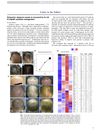 68 citations
,
November 2015 in “The Journal of Allergy and Clinical Immunology”
68 citations
,
November 2015 in “The Journal of Allergy and Clinical Immunology” Blocking IL-12/IL-23p40 helped reverse severe hair loss in patients.
 20 citations
,
December 2019 in “The journal of allergy and clinical immunology/Journal of allergy and clinical immunology/The journal of allergy and clinical immunology”
20 citations
,
December 2019 in “The journal of allergy and clinical immunology/Journal of allergy and clinical immunology/The journal of allergy and clinical immunology” Blocking IL-12/IL-23 does not help with hair loss in alopecia areata for mice or humans.
 March 2026 in “American Journal of Clinical Dermatology”
 Ritlecitinib is effective and safe for long-term use in treating severe alopecia areata in people aged 12 and older.
 3 citations
,
September 2024 in “Dermatology and Therapy”
3 citations
,
September 2024 in “Dermatology and Therapy” Previous alopecia areata treatments do not affect the long-term effectiveness of ritlecitinib.
 July 2017 in “British Journal of Dermatology”
 The document concludes that scalp conditions have various causes and can present in many different ways.