January 2025 in “Health engineering.” Combining stem cells and organoids could improve skin regeneration treatments.
 21 citations
,
June 2018 in “Current Opinion in Genetics & Development”
21 citations
,
June 2018 in “Current Opinion in Genetics & Development” Scientists have made progress in growing mini-organs and regenerating parts of the skin, with plans to treat hair loss in a future trial.
7 citations
,
January 2024 in “Burns & Trauma” Sebaceous gland organoids could improve skin regeneration and treatment.
 2 citations
,
December 2022 in “Journal of Biochemistry and Molecular Biology”
2 citations
,
December 2022 in “Journal of Biochemistry and Molecular Biology” Organoids created from stem cells are used to model diseases, test drugs, and develop personalized and regenerative medicine.
70 citations
,
April 2020 in “Journal of Molecular Cell Biology” Organoid technology helps create mini-organs for studying diseases and testing drugs.
 August 2023 in “Military Medical Research”
 Scientists have improved 3D models of human skin for research and medical uses, but still face challenges in perfectly replicating real skin.
39 citations
,
March 2022 in “Nature Protocols” Scientists created hair-growing skin models from stem cells, which could help treat hair loss and skin diseases.
 31 citations
,
January 2021 in “Experimental Dermatology”
31 citations
,
January 2021 in “Experimental Dermatology” Skin organoids are a promising new model for studying human skin development and testing treatments.
22 citations
,
June 2024 in “Cell” Understanding tissue self-organization can improve treatments for diseases and advance regenerative medicine.
January 2011 in “Hispania Judaica bulletin” Mechanical forces are crucial for hair regeneration in skin organoids.
May 2025 in “World Journal of Biology Pharmacy and Health Sciences” Butterfly pea flower is beneficial for hair serum due to its antioxidant and pigmenting properties.
March 2026 in “Ageing Research Reviews” Advanced lab models are needed to better study human skin aging and develop treatments.
December 2024 in “Regenerative Therapy” Stem cells and new methods can help heal and regenerate damaged skin.
 May 2026 in “Frontiers in Cell and Developmental Biology”
 Hair follicle organoids can help study hair biology and disorders but need improvements for wider use.
Organoids can sustainably produce advanced materials with superior properties, offering solutions to global challenges.
4 citations
,
July 2025 in “Organoids” Organoids can revolutionize medicine by modeling diseases and aiding in personalized treatments.
January 2026 in “Wound Repair and Regeneration” Skin organoids are improving research but need better blood supply, nerve function, and immune system integration.
67 citations
,
June 2019 in “Proceedings of the National Academy of Sciences” A new 3D culture system helps grow and study mouse skin stem cells for a long time.
 January 2023 in “Theranostics”
 Mechanical force is important for the first contact between skin cells and hair growth in mini-organs.
 2 citations
,
January 2020 in “Methods in molecular biology”
2 citations
,
January 2020 in “Methods in molecular biology” Scientists created early-stage hair follicles from human skin cells, which could help treat baldness and study hair growth.
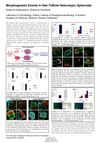
Researchers developed a method to create artificial hair follicles that may help with hair loss treatment and research.
June 1967 in “Journal of Cellular Physiology” The 3D hair follicle model improves understanding of hair growth and drug testing.
 9 citations
,
October 2022 in “Nature Communications”
9 citations
,
October 2022 in “Nature Communications” The DiLiCre mouse model is an effective tool for precise genome editing using light.
21 citations
,
August 2024 in “Journal of Animal Science and Biotechnology/Journal of animal science and biotechnology” Single-cell transcriptomics helps improve animal health and productivity by studying gene expression in individual cells.
 September 2022 in “Research Square (Research Square)”
 Macrophages help maintain mammary stem cells and balance through specific signaling.
 October 2018 in “Current Opinion in Genetics & Development”
 The document emphasizes the importance of ongoing research and ethical considerations in genome editing and cellular reprogramming.
 36 citations
,
August 2021 in “Nature Cell Biology”
36 citations
,
August 2021 in “Nature Cell Biology” Organoids can help study COVID-19 and develop treatments, but face challenges like instability and limited renewal.
5 citations
,
January 2021 in “Frontiers in cell and developmental biology” Skin cysts might help advance stem cell treatments to repair skin.
20 citations
,
November 2021 in “Frontiers in cell and developmental biology” Skin organoids from stem cells could better mimic real skin but face challenges.
 8 citations
,
March 2019 in “Open Biology”
8 citations
,
March 2019 in “Open Biology” The document concludes that regenerating functional ectodermal organs like teeth and hair is promising for future therapies.