 July 2026 in “Zenodo (CERN European Organization for Nuclear Research)”
 Biochanin A is the safest herbal compound for potential hair loss treatment.
 July 2026 in “Zenodo (CERN European Organization for Nuclear Research)”
 Biochanin A is the safest herbal compound for potential hair loss treatment.
 May 2026 in “Open Science Framework”
 Biochanin A from soy is a promising and safe candidate for treating hair loss.
 May 2026 in “Zenodo (CERN European Organization for Nuclear Research)”
 Biochanin A from soy is a promising and safe candidate for treating hair loss.
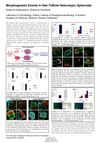
Researchers developed a method to create artificial hair follicles that may help with hair loss treatment and research.
 April 2023 in “Journal of Investigative Dermatology”
 Taking nicotinic acid supplements might help with acne by affecting the skin's oil glands, but high doses are needed.
 November 2022 in “Journal of Investigative Dermatology”
 DermaCult™ Keratinocyte Expansion Medium allows human skin cells to grow longer while keeping their ability to develop properly.
July 2026 in “Organoid Research” Hydrogel microspheres can improve the development and effectiveness of musculoskeletal organoids.
 2 citations
,
September 2022 in “Organoid”
2 citations
,
September 2022 in “Organoid” A new method was developed to efficiently grow skin hair follicles from stem cells, potentially aiding alopecia treatment.
March 2026 in “Materials Today Bio” The new cryo-MAP technique enables rapid and successful hair growth by transplanting hair follicle organoids.
25 citations
,
February 2024 in “Biomaterials” Stem cell-derived organoids can improve skin healing.
4 citations
,
July 2025 in “Organoids” Organoids can revolutionize medicine by modeling diseases and aiding in personalized treatments.
July 2024 in “Journal of Investigative Dermatology” The new skin organoid system effectively mimics human skin for studying its functions, injuries, and diseases.
 223 citations
,
October 2020 in “Microsystems & Nanoengineering”
223 citations
,
October 2020 in “Microsystems & Nanoengineering” Microtechnology methods improve organoid production for medical research.
 44 citations
,
June 2018 in “Journal of Cellular Physiology”
44 citations
,
June 2018 in “Journal of Cellular Physiology” Researchers developed a 3D model of human hair follicle cells that can help understand hair growth and test new hair loss treatments.
 26 citations
,
January 2019 in “Experimental Dermatology”
26 citations
,
January 2019 in “Experimental Dermatology” Researchers created early-stage hair-like structures from skin cells, showing how these cells can self-organize, but more is needed for complete hair growth.
 August 2023 in “Military Medical Research”
 Scientists have improved 3D models of human skin for research and medical uses, but still face challenges in perfectly replicating real skin.
 1 citations
,
September 2023 in “The journal of investigative dermatology/Journal of investigative dermatology”
1 citations
,
September 2023 in “The journal of investigative dermatology/Journal of investigative dermatology” Skin organoids from stem cells can help study and treat skin issues but face some challenges.
July 2025 in “Journal of Investigative Dermatology” Researchers created long-lasting, diverse skin organoids from mouse hair follicle stem cells, useful for studying skin.
January 2022 in “Yokohama National University Repository (Yokohama National University)” Exosomes from dermal papilla cells may help treat hair loss by promoting hair growth.
8 citations
,
September 2023 in “International Journal of Nanomedicine” A new lab-grown lung model helps study adenoviruses and test antiviral drugs.
7 citations
,
April 2024 in “Life Medicine” Standardizing and engineering organoids can improve their use in medicine and drug testing.
 February 2024 in “Biomedical materials”
 Scientists created a lab-grown hair follicle model that behaves like real hair and could improve hair loss treatment research.
July 2026 in “Frontiers in Bioengineering and Biotechnology” A combination of advanced human-relevant models and new technologies is needed to improve wound healing research.
July 2026 in “Frontiers in Bioengineering and Biotechnology” Microbioreactors improve cell-based therapies and personalized medicine but face scalability challenges.
16 citations
,
November 2020 in “In Vitro Cellular & Developmental Biology - Animal” Microfollicles can effectively model human hair follicles for research and testing.
 8 citations
,
March 2019 in “Open Biology”
8 citations
,
March 2019 in “Open Biology” The document concludes that regenerating functional ectodermal organs like teeth and hair is promising for future therapies.
June 1967 in “Journal of Cellular Physiology” The 3D hair follicle model improves understanding of hair growth and drug testing.
 48 citations
,
February 2016 in “Scientific Reports”
48 citations
,
February 2016 in “Scientific Reports” Researchers created rat liver stem cells that could help repair liver failure in rats and may be useful for studying human liver diseases.
4 citations
,
February 2023 in “Stem Cell Research & Therapy” Mouse skin cells can become sperm-like cells in the lab.