January 2013 in “Touro Scholar (Touro College)” DPCP works best for alopecia areata, but more research is needed for better treatments.
 44 citations
,
February 2015 in “Journal of the American Academy of Dermatology”
44 citations
,
February 2015 in “Journal of the American Academy of Dermatology” Combining diphenylcyclopropenone with anthralin is more effective for hair regrowth in alopecia areata than using diphenylcyclopropenone alone, but may cause more side effects.
 2 citations
,
September 1980 in “Experientia”
2 citations
,
September 1980 in “Experientia” Polyethylene alanine caused hair loss in young lab animals but not in adults, with hair regrowth occurring within 20 days.
March 2015 in “DergiPark (Istanbul University)” PUVA treatment is effective and safe for alopecia areata.
 2 citations
,
July 1982 in “British Journal of Dermatology”
2 citations
,
July 1982 in “British Journal of Dermatology” Retinol acetate can reduce the harmful effects of the drug benoxaprofen on white blood cells.
45 citations
,
August 1954 in “Experimental Biology and Medicine” Vitamin A penetrates guinea pig skin quickly in alcohol, affects skin thickness, but doesn't impact hair growth.
 87 citations
,
March 2000 in “American Journal of Clinical Dermatology”
87 citations
,
March 2000 in “American Journal of Clinical Dermatology” Alpha-hydroxy acids, like glycolic acid, safely improve skin issues and work on all skin types.
1 citations
,
September 2001 in “PubMed” Acitretin treats severe skin conditions but requires careful monitoring due to serious side effects.
 April 2018 in “Journal of Investigative Dermatology”
 People with palmoplantar pustulosis, especially with bone issues, have different mouth bacteria compared to healthy people.
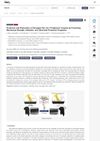 1 citations
,
July 2023 in “Biomimetics”
1 citations
,
July 2023 in “Biomimetics” A new hair treatment using a natural polyphenol complex improves hair strength, reduces static, and protects against UV damage.
 January 2024 in “International Journal of Advanced Research”
 Topical 6% salicylic acid effectively reduced skin plaques in a patient with wooly hair and palmoplantar keratoderma.
September 2015 in “Photodiagnosis and Photodynamic Therapy” March 2026 in “Drug Testing and Analysis” PTeCA is a reliable marker for detecting oxidative hair treatments.
3 citations
,
July 2023 in “International Journal of Trichology” DPCP can help regrow hair in some people with severe alopecia.
 21 citations
,
June 2017 in “Journal of The American Academy of Dermatology”
21 citations
,
June 2017 in “Journal of The American Academy of Dermatology” Topical DPCP is somewhat effective for hair loss in alopecia areata, but more research is needed.
 12 citations
,
June 2010 in “Journal of dermatology”
12 citations
,
June 2010 in “Journal of dermatology” Some patients with severe alopecia areata developed skin darkening from their treatment, which may indicate a less effective response to the therapy.
8 citations
,
June 2024 in “Pharmaceutics” PEA-ENL improves skin delivery and reduces inflammation without side effects.
 38 citations
,
March 2010 in “Medicine”
38 citations
,
March 2010 in “Medicine” Most patients with Porphyria Cutanea Tarda had skin blisters and were often affected by hepatitis C and alcohol abuse, with differences between familial and sporadic cases.
1 citations
,
January 2007 in “Side effects of drugs annual” Dermatological treatments can have significant side effects, including allergic reactions, sexual dysfunction, and increased cancer risk.
 May 2024 in “Nano letters”
 Polydopamine and quercetin together can speed up hair regrowth.
Early NAS level changes affect alcohol consumption vulnerability.
March 2023 in “Reactions Weekly” May 2024 in “Journal of the Egyptian Womenʼs Dermatologic Society” Diphenylcyclopropenone is effective and safe for treating severe alopecia areata in children, with maintenance therapy reducing relapse risk.
12 citations
,
July 2017 in “International Journal of Cosmetic Science” N‐AOHPA is a promising alternative to traditional surfactants for better hair conditioning.
 April 2023 in “Neurology”
 Valproic acid is a more effective treatment for vomiting in Alexander disease than other medications, with few side effects.
8 citations
,
January 2018 in “Journal of Analytical Methods in Chemistry” A new method accurately measures a drug in skin for cancer therapy research.
 January 2023 in “Dermatologic Therapy”
 The nutritional supplement Pilopeptan® WOMAN improved hair growth and thickness in women with hair loss.
 1 citations
,
June 2014 in “Vìsnik farmacìï”
1 citations
,
June 2014 in “Vìsnik farmacìï” A medicinal cosmetic product for treating Androgenetic Alopecia was developed using plant-based substances, Saw palmetto and Japanese Sophora, with pumpkin seed oil and stabilizers like Carbopol, sodium alginate, xanthan gum, Tween-20 and cetyl alcohol.
 13 citations
,
January 2019 in “Colloids and Surfaces B: Biointerfaces”
13 citations
,
January 2019 in “Colloids and Surfaces B: Biointerfaces” The new drug delivery systems made with surfactants and block polymers are stable and not toxic.
 12 citations
,
June 2019 in “Psychoneuroendocrinology”
12 citations
,
June 2019 in “Psychoneuroendocrinology” Allopregnanolone is needed for certain brain processing issues caused by D1 dopamine receptor activation.