 September 2025 in “Frontiers in Cell and Developmental Biology”
 Retinoic acid may help heal skin without scars by reducing fibrosis and supporting skin regeneration.
 306 citations
,
April 2019 in “International Journal of Molecular Sciences”
306 citations
,
April 2019 in “International Journal of Molecular Sciences” The skin has a complex immune system that is essential for protection and healing, requiring more research for better wound treatment.
 70 citations
,
July 2016 in “Aging”
70 citations
,
July 2016 in “Aging” Targeting dermal adipocytes may help combat skin aging.
 6 citations
,
February 1974 in “The BMJ”
6 citations
,
February 1974 in “The BMJ” The document concludes that scalp disorders can be treated with hair washing, specific shampoos, medications, and sometimes surgery or hair transplants, but hereditary baldness is untreatable.
 2 citations
,
January 2020
2 citations
,
January 2020 Tailored scar treatments are needed for different body areas to improve appearance and function.

Elastin-like recombinamers show promise for better wound healing and skin regeneration.
 13 citations
,
January 2016 in “Burns & Trauma”
13 citations
,
January 2016 in “Burns & Trauma” Vacuum massage may improve skin elasticity and induce changes in skin cells, but evidence for treating burn scars is insufficient and more research is needed.
 1 citations
,
November 2014 in “Elsevier eBooks”
1 citations
,
November 2014 in “Elsevier eBooks” Future research should focus on making bioengineered skin that completely restores all skin functions.

Skin stem cells are crucial for maintaining and repairing skin, with potential for treating skin disorders and improving wound healing.
 21 citations
,
November 2022 in “Frontiers in immunology”
21 citations
,
November 2022 in “Frontiers in immunology” Sebaceous glands play a key role in skin health, immunity, and various skin diseases.
 18 citations
,
November 2020 in “Frontiers in Cell and Developmental Biology”
18 citations
,
November 2020 in “Frontiers in Cell and Developmental Biology” Inflammation plays a key role in activating skin stem cells for hair growth and wound healing, but more research is needed to understand how it directs cell behavior.
12 citations
,
October 2023 in “International Journal of Molecular Sciences” Understanding how skin cells react to pressure can help diagnose and manage pressure-related skin disorders.
 1 citations
,
June 2012 in “Actas Dermo-Sifiliográficas”
1 citations
,
June 2012 in “Actas Dermo-Sifiliográficas” Early and aggressive treatment of scarring alopecia is important to prevent further hair follicle damage.
 7 citations
,
January 2015 in “Current problems in dermatology”
7 citations
,
January 2015 in “Current problems in dermatology” Hair loss can be caused by stress, infections, drugs, and various diseases, with treatment depending on accurate diagnosis.
 72 citations
,
February 2011 in “The American Journal of Dermatopathology”
72 citations
,
February 2011 in “The American Journal of Dermatopathology” Anti-TNF therapy can cause a unique type of hair loss that may get better with topical treatments without stopping the therapy.

Advances in RNA research and skin models offer hope for better skin healing without scarring.
 5 citations
,
May 2021 in “BMC surgery”
5 citations
,
May 2021 in “BMC surgery” A man's unusual scalp folds caused by a skin condition were treated with surgery and remained unchanged two years later.
 2 citations
,
November 2014
2 citations
,
November 2014 Common cosmetic dermatology techniques improve skin damaged by the sun and aging.
 33 citations
,
August 2005 in “The American Journal of Dermatopathology”
33 citations
,
August 2005 in “The American Journal of Dermatopathology” Both vertical and transverse sections are useful for diagnosing alopecia, but using both methods together is best.
 15 citations
,
October 2006 in “Journal of the American Academy of Dermatology”
15 citations
,
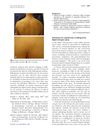
October 2006 in “Journal of the American Academy of Dermatology” Liquid nitrogen spray caused a temporary, harmless swelling under the skin in an elderly woman.
 August 2023 in “International Journal of Molecular Sciences”
 Human skin xenografting could improve our understanding of skin development, renewal, and healing.
23 citations
,
January 2024 in “Journal of Investigative Dermatology” Corticosteroids can reduce scarring in acne keloidalis by targeting specific cells.
 38 citations
,
December 2012 in “Journal of Cutaneous Pathology”
38 citations
,
December 2012 in “Journal of Cutaneous Pathology” EVG staining is a valuable, simple, and cost-effective method for diagnosing various skin conditions in dermatopathology.
2 citations
,
September 2023 in “Journal of clinical medicine” Scalp skin grafts effectively cover lower limb defects with high success and minimal complications.
 1 citations
,
January 2014 in “Health Renaissance”
1 citations
,
January 2014 in “Health Renaissance” Pseudopelade of Brocq is hard to diagnose and treat, with limited effective options.
 September 2024 in “Kuban Scientific Medical Bulletin”
 Accurate diagnosis and early treatment are crucial for managing hair loss effectively.
 November 2018 in “Skin appendage disorders”
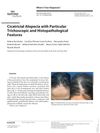
 The document concludes that a woman has both Frontal Fibrosing Alopecia and Lichen Simplex Chronicus, a previously unreported combination of conditions.
 December 2022 in “Exploratory animal and medical research”
 The study concluded that Acral lick dermatitis is most common in young male Labrador retrievers, often caused by psychological factors, and leads to skin inflammation and stress-related blood changes.
 23 citations
,
July 1982 in “International Journal of Dermatology”
23 citations
,
July 1982 in “International Journal of Dermatology” The review concludes that accurate diagnosis of different types of hair loss requires proper biopsy techniques and understanding the hair growth cycle and underlying causes.
 8 citations
,
December 2017 in “Journal of The American Academy of Dermatology”
8 citations
,
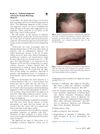
December 2017 in “Journal of The American Academy of Dermatology” The authors updated the criteria for diagnosing frontal fibrosing alopecia, making it easier to diagnose without a biopsy.