 1 citations
,
January 2026 in “Frontiers in Bioengineering and Biotechnology”
1 citations
,
January 2026 in “Frontiers in Bioengineering and Biotechnology” Ionizable lipid nanoparticles are the best for delivering gene-editing therapies.
 1 citations
,
November 2014 in “Elsevier eBooks”
1 citations
,
November 2014 in “Elsevier eBooks” Future research should focus on making bioengineered skin that completely restores all skin functions.
 July 2025 in “Journal of medical & health sciences review.”
 Ultrasound-assisted gene therapy could revolutionize tissue regeneration by improving gene delivery.
 September 2023 in “HAL (Le Centre pour la Communication Scientifique Directe)”
 Peptide nanoparticles can effectively deliver CRISPR-Cas9 to target KRAS mutations in cancer.
 January 2016 in “Springer eBooks”
 New materials and methods could improve skin healing and reduce scarring.
3 citations
,
June 2025 in “Gyemyeong uidae haksulji” PDRN is effective and safe for healing wounds and skin issues.
 43 citations
,
November 2019 in “PLoS ONE”
43 citations
,
November 2019 in “PLoS ONE” MED23 and GNAQ genes are crucial for chicken feather color.
 5 citations
,
January 2021 in “iScience”
5 citations
,
January 2021 in “iScience” Using a combination of specific cell cycle regulators is better for safely keeping hair root cells alive indefinitely compared to cancer-related methods.
 1 citations
,
April 2023 in “African Scientific Reports”
1 citations
,
April 2023 in “African Scientific Reports” Natural compounds can lighten skin by reducing melanin.
September 2025 in “Global Journal of Pharmacy & Pharmaceutical Sciences” PDRN from salmon sperm DNA can improve skin health and appearance.
 February 2025 in “Intisari Sains Medis”
 PDRN from salmon may slow skin aging by improving skin quality and reducing inflammation.

Polydopamine is promising for personalized medicine and biomedical technology due to its strong adhesion and biocompatibility.
 April 2025 in “Journal of Skin and Stem Cell”
 PDRN from trout sperm helps skin and hair regeneration but is costly and complex to produce.
 14 citations
,
May 2021 in “Marine Drugs”
14 citations
,
May 2021 in “Marine Drugs” PDRN, derived from salmon sperm, shows promise in healing wounds, reducing inflammation, and regenerating tissues, but more research is needed to understand its mechanisms and improve its use.
 18 citations
,
September 2016 in “International Journal of Molecular Sciences”
18 citations
,
September 2016 in “International Journal of Molecular Sciences” Polydeoxyribonucleotide (PDRN) may help lighten skin and treat hyperpigmentation.
 June 2025 in “Aesthetic Cosmetology and Medicine”
 Polydeoxyribonucleotides may help with healing and anti-aging, but more research is needed.
January 2026 in “Journal of Aesthetic Nursing” Polynucleotides improve skin quality and are safe and effective for rejuvenation.
13 citations
,
April 1982 in “The Journal of Dermatology” Poly(ADP-ribose) synthesis is linked to skin cell differentiation.
 May 2023 in “Journal of the Dermatology Nurses' Association”
 The DNA convention was a valuable opportunity for learning and networking, especially after COVID-19.
 40 citations
,
October 2009 in “Journal of Biomedical Nanotechnology”
40 citations
,
October 2009 in “Journal of Biomedical Nanotechnology” Pyrene excimer nucleic acid probes are promising for detecting biomolecules accurately with potential for biological research and drug screening.
September 2019 in “Journal of Investigative Dermatology” PCE-DP brightens skin and promotes hair growth by enhancing cell growth and reducing melanin uptake.
January 2015 in “프로그램북(구 초록집)” Two patients with stubborn hair loss grew hair after PDRN injections.
18 citations
,
January 2021 in “Theranostics” The targeted nanohybrids effectively reduced psoriasis symptoms and improved skin health.
 176 citations
,
June 2016 in “PLoS ONE”
176 citations
,
June 2016 in “PLoS ONE” Nucleic acid polymers can enhance antiviral responses and improve treatment outcomes for chronic hepatitis B.
 23 citations
,
December 2013 in “British Journal of Dermatology”
23 citations
,
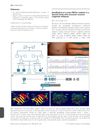
December 2013 in “British Journal of Dermatology” A new gene mutation linked to a skin condition was found in a Spanish family.
 1 citations
,
May 2019 in “Cytotherapy”
1 citations
,
May 2019 in “Cytotherapy” The new ddPCR method reliably detects unwanted viruses in CAR-T cell products, ensuring their safety for patients.
37 citations
,
February 2007 in “Experimental Dermatology” Increasing PDCD4 protein may help prevent or treat some skin cancers.
22 citations
,
October 2018 in “Molecular Medicine Reports” Classic PDRN improves wound healing quality by enhancing cell migration.
7 citations
,
January 2025 in “Current Issues in Molecular Biology” Microbial-derived polydeoxyribonucleotide is a better and more sustainable alternative to salmon-based versions for healing and immune support.
 April 2019 in “Journal of Investigative Dermatology”
 Non-coding RNA boosts retinoic acid production and signaling, aiding regeneration.