11 citations
,
January 2011 in “Journal of pediatric endocrinology & metabolism/Journal of pediatric endocrinology and metabolism” Adolescents and young adults with Prader-Willi syndrome show a range of sexual interests and behaviors.
April 2026 in “UNC Libraries” Pulsed electric field treatment may help shrink untreated liver tumors.

The document concludes that the development of certain tumors is influenced by genetic background and that a specific gene modification can lead to tumor regression and reduced growth.
 March 2026 in “Frontiers in Immunology”
 Pulsed electric field treatment may help the immune system fight liver tumors.
49 citations
,
January 2024 in “Regenerative Biomaterials” The new nanofiber patch speeds up diabetic wound healing and improves healing quality.
June 2026 in “Cancer Research Communications” The treatment combination is safe and effective for some patients with this type of breast cancer.
6 citations
,
July 2021 in “International Wound Journal” The biofilm-dispersing wound gel helps wounds heal faster and prevents infection.
 3 citations
,
September 2024 in “Frontiers in Bioscience-Scholar”
3 citations
,
September 2024 in “Frontiers in Bioscience-Scholar” Pantaneiro sheep have more genetic diversity than Texel sheep, with potential for future research in Brazilian farming.
9 citations
,
February 2020 in “Materials Express” Short-peptide gel scaffolds improve burn wound healing and hair growth.
Melatonin shortens the hair growth cycle by increasing PDGFA gene expression.
 15 citations
,
November 2022 in “Cell Death and Disease”
15 citations
,
November 2022 in “Cell Death and Disease” CEP135 may predict cancer outcomes, and targeting PLK1 could help treat certain sarcomas.
37 citations
,
February 2007 in “Experimental Dermatology” Increasing PDCD4 protein may help prevent or treat some skin cancers.
 6 citations
,
April 2010 in “Cellular Reprogramming”
6 citations
,
April 2010 in “Cellular Reprogramming” Pig skin cells can turn into mesodermal cells but lose their ability to become neural cells.
June 2026 in “UNC Libraries” Pulsed electric field treatment may help shrink untreated liver tumors.
April 2019 in “Lincoln (University of Nebraska)” The smart bandage improved healing in diabetic wounds better than standard treatments.
20 citations
,
April 2022 in “Journal of Personalized Medicine” Powered exoskeleton training improves body perception and quality of life in spinal cord injury patients.
2 citations
,
October 2023 in “Philosophical Transactions of the Royal Society B Biological Sciences” Different PADI isoforms help cells develop diverse functions.
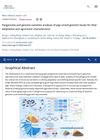
Pangenome analysis reveals key genes for pig adaptation and traits, aiding genetic improvement.
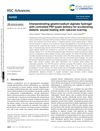 January 2026 in “RSC Advances”
 The hydrogel speeds up diabetic wound healing and reduces scarring.
1 citations
,
April 2018 in “Dermatologic Surgery” 69 citations
,
October 2014 in “Stem Cells” PDGF-D boosts stem cell growth and movement, enhancing hair regeneration.

A genetic mutation in the EDA gene causes hypohidrotic ectodermal dysplasia in cats.
 6 citations
,
November 2011 in “Journal of Dermatological Science”
6 citations
,
November 2011 in “Journal of Dermatological Science” A new gene mutation may allow some piebaldism patients to regain skin color in white patches.
63 citations
,
February 2017 in “ACS biomaterials science & engineering” Polydopamine is a safe, effective, and permanent hair dye that turns gray hair black in one hour.
 1 citations
,
September 2024 in “Frontiers in Cell and Developmental Biology”
1 citations
,
September 2024 in “Frontiers in Cell and Developmental Biology” Pigs are a good model for studying human hair growth and disorders.
 206 citations
,
September 2010 in “PLoS ONE”
206 citations
,
September 2010 in “PLoS ONE” The PIRL laser cuts tissue with less damage and scarring than traditional methods.
September 2019 in “Journal of Investigative Dermatology” PCE-DP brightens skin and promotes hair growth by enhancing cell growth and reducing melanin uptake.
 12 citations
,
January 2005 in “Pediatric Dermatology”
12 citations
,
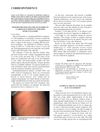
January 2005 in “Pediatric Dermatology” Fox Fordyce disease might be more common in prepubertal girls than thought and can be managed with treatment.
2 citations
,
September 2023 in “PubMed” Laser-assisted prostaglandin analogs improve hypopigmented scars safely, but more research is needed.
 10 citations
,
April 2008 in “Journal of Pediatric Surgery”
10 citations
,
April 2008 in “Journal of Pediatric Surgery” P-selectin is not the only factor that prevents scarring in fetal wound healing in mice.