
Androgenetic alopecia, or hair loss, is caused by a mix of genetics, hormones, and environment, where testosterone affects hair growth and causes hair to become smaller and grow for a shorter time.
 6 citations
,
December 2010 in “Journal of Cosmetic Dermatology”
6 citations
,
December 2010 in “Journal of Cosmetic Dermatology” Apoptosis may contribute to hair loss in androgenetic alopecia.
 January 2011 in “Medicine Today”
 Male pattern baldness is a common type of hair loss in men.
 20 citations
,
June 2015 in “Hormone Molecular Biology and Clinical Investigation”
20 citations
,
June 2015 in “Hormone Molecular Biology and Clinical Investigation” Finasteride worsens erectile dysfunction and lowers testosterone in men with enlarged prostates, unlike tamsulosin.
 July 2025 in “Journal of Investigative Dermatology”
 Miniaturized hair follicles in androgenetic alopecia show abnormal mitochondrial activity and damage.
1 citations
,
August 2013 in “PubMed” Testosterone changes reduce thyroxin levels in rats.
March 2020 in “UTUPub (University of Turku)” Androgen-driven traits don't predict prostate cancer recurrence.
Antiandrogen treatment helps reduce hair follicles and sebaceous glands in hirsute women.
 October 2017 in “Journal of The European Academy of Dermatology and Venereology”
 Stem cells preservation in AGA could be a potential therapy, but more cases needed.
 1 citations
,
April 2018 in “Our Dermatology Online”
1 citations
,
April 2018 in “Our Dermatology Online” Massaging the scalp with a cosmetic containing certain natural inhibitors can significantly regrow hair in men with pattern baldness.
April 2022 in “Journal of Investigative Dermatology” Androgenetic alopecia causes hair thinning due to increased androgen activity, treatable with minoxidil and finasteride.
February 2023 in “Benha Journal of Applied Sciences” Men with androgenetic alopecia may have higher cardiovascular risk due to elevated serum endocan levels.
January 2022 in “Clinical Cases in Dermatology” A 12-year-old boy has a rare, harmless hair loss on his chin with no need for treatment.
 2 citations
,
April 2017 in “European Urology”
2 citations
,
April 2017 in “European Urology” Using finasteride for hair loss or prostate issues does not significantly raise the risk of erectile dysfunction.
15 citations
,
April 1997 in “Muscle & Nerve” 5 citations
,
April 1997 in “Muscle & Nerve”  17 citations
,
January 2013 in “Our Dermatology Online”
17 citations
,
January 2013 in “Our Dermatology Online” Dutasteride mesotherapy helps treat male hair loss but may harm sperm and sexual function.
 June 2017 in “Journal of The American Academy of Dermatology”
 Most men with lichen planopilaris had it confirmed by biopsy and often had thyroid issues, sexual dysfunction, or prostate cancer, hinting at a link with hormonal problems.
 57 citations
,
July 2016 in “The Journal of Sexual Medicine”
57 citations
,
July 2016 in “The Journal of Sexual Medicine” 5α-reductase inhibitors increase the risk of sexual dysfunction, especially in men with enlarged prostate.
 7 citations
,
December 1984 in “The Journal of Dermatologic Surgery and Oncology”
7 citations
,
December 1984 in “The Journal of Dermatologic Surgery and Oncology” Early transplantation helps avoid embarrassment and allows relaxed transplant sessions, but be cautious with young patients with thinning hair.
11 citations
,
June 2005 in “Postgraduate Medical Journal” Some infants temporarily grow scrotal hair, which usually disappears on its own without any health issues.
January 2011 in “International Society of Hair Restoration Surgery” Finasteride may reduce body hair in men.
 15 citations
,
January 2017 in “Advances in Experimental Medicine and Biology”
15 citations
,
January 2017 in “Advances in Experimental Medicine and Biology” 5α-Reductase inhibitors can negatively affect male sexual function and, in some cases, significantly reduce sperm count, but these effects may be reversible.
February 2006 in “Mayo Clinic Proceedings” Finasteride reduces prostate cancer risk but may increase high-grade cancer cases.
 2 citations
,
July 2010 in “Clinical and Experimental Dermatology”
2 citations
,
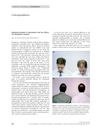
July 2010 in “Clinical and Experimental Dermatology” Delaying hair loss treatment reduces its effectiveness.
 January 2025 in “Dermatology Practical & Conceptual”
 Perinevoid alopecia can be effectively treated with non-invasive corticosteroids.
February 2010 in “Faculty Opinions – Post-Publication Peer Review of the Biomedical Literature” Finasteride can cause skin reactions, so dermatologists should be aware.
April 2013 in “e-Jurnal Medika Udayana” Finasteride effectively treats male pattern baldness.
 68 citations
,
May 2015 in “Indian Journal of Dermatology”
68 citations
,
May 2015 in “Indian Journal of Dermatology” Microneedling can effectively promote new hair growth in men with hair loss who didn't improve with traditional treatments.
October 2021 in “Skin appendage disorders”