 3 citations
,
October 2021 in “PLoS ONE”
3 citations
,
October 2021 in “PLoS ONE” Piperonylic acid speeds up wound healing by reducing inflammation and boosting collagen.
 November 2024 in “Polymers for Advanced Technologies”
 The hydrogel effectively heals wounds and kills bacteria.
 232 citations
,
June 1975 in “Journal of Steroid Biochemistry”
232 citations
,
June 1975 in “Journal of Steroid Biochemistry” Cyproterone acetate is effective for acne but less so for hirsutism and alopecia, with some side effects and quick menstrual cycle recovery after treatment.
 April 2017 in “Journal of Investigative Dermatology”
 10% carbamide peroxide is safe and effectively reduces mild to moderate acne.
1 citations
,
September 2001 in “PubMed” Acitretin treats severe skin conditions but requires careful monitoring due to serious side effects.
2 citations
,
November 1978 in “JAMA” Valproic acid is an effective seizure medication with some temporary side effects.
 1 citations
,
September 2024 in “Jurnal Ilmiah JKA (Jurnal Kesehatan Aeromedika)”
1 citations
,
September 2024 in “Jurnal Ilmiah JKA (Jurnal Kesehatan Aeromedika)” Red galangal rhizome extract is effective against acne-causing bacteria.
March 2026 in “Drug Testing and Analysis” PTeCA is a reliable marker for detecting oxidative hair treatments.
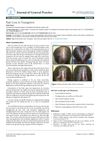 January 2018 in “Journal of general practice”
 Young people are losing hair due to stress, poor diet, pollution, and lack of sleep, but it can be treated with supplements and scalp treatments.
2 citations
,
July 2025 in “Scientific Reports” Acinetobacter strain A1-4-2 can safely clean water pollutants.
 11 citations
,
November 2013 in “Skin Pharmacology and Physiology”
11 citations
,
November 2013 in “Skin Pharmacology and Physiology” Azelaic Acid is effective and safe for treating adult female acne, with few side effects.
April 2026 in “Trends in Sciences” Acanthus ebracteatus extract in a microemulsion can promote hair growth and is stable for use as a hair tonic.
30% supramolecular salicylic acid is safe and effective for treating mild to moderate facial acne.
5 citations
,
May 2024 in “Molecules” Glycyrrhetinic acid from licorice may help treat acne by reducing inflammation and oil production.
 1 citations
,
May 2022 in “Research Square (Research Square)”
1 citations
,
May 2022 in “Research Square (Research Square)” Acetate helps reduce depression in rats with PCOS by lowering specific gene expression and DNA changes in the brain.
 20 citations
,
December 2011 in “Journal of inherited metabolic disease”
20 citations
,
December 2011 in “Journal of inherited metabolic disease” Valproic acid treatment increases a specific acid in urine by blocking an enzyme, possibly causing skin rash and hair loss.
 March 2024 in “Journal of Pharmaceutical and Sciences”
 Zaleya pentandra extracts, especially acetone, may be useful for new medicines and food industry applications.
18 citations
,
December 2005 in “Journal of Medicinal Chemistry” A brominated phenoxy compound effectively inhibits a human enzyme and shows potential for clinical use.
 1 citations
,
May 2025 in “Natural Products and Bioprospecting”
1 citations
,
May 2025 in “Natural Products and Bioprospecting” PEVIII is a promising treatment for Pseudomonas aeruginosa keratitis.
294 citations
,
February 1994 in “PubMed” Valproic acid is an effective and safe first-choice treatment for many types of seizures.
 April 2024 in “Meždunarodnyj vestnik veterinarii”
 Deltsid 7.5 is the most effective treatment for bovine psoroptosis.
3 citations
,
October 2023 in “Cosmetics” Effervescent cleansing tablets with Asiatic acid were successfully developed, showing good stability and cleansing effectiveness.
 January 2023 in “Postępy Dermatologii i Alergologii”
 Azelaic acid treats acne, rosacea, and hyperpigmentation with minimal side effects.
 April 2026 in “Lithuanian University of Health Sciences”
 Cinnamic acid in hydrogels can effectively fight fungi but spreads less than in solution.
 34 citations
,
October 2024 in “Clinical Cosmetic and Investigational Dermatology”
34 citations
,
October 2024 in “Clinical Cosmetic and Investigational Dermatology” Azelaic acid is effective for treating rosacea, acne, and melasma.
1 citations
,
January 1979 in “International Journal of Dermatology” Cyproterone acetate effectively treats hirsutism and related conditions.
 2 citations
,
February 2004 in “Biopolymers”
2 citations
,
February 2004 in “Biopolymers” 4-(4-Phenoxybenzoyl)benzoic acid derivatives can both increase and decrease certain types of reactive oxygen species, and may be relevant to hair loss.
 December 2021 in “Black sea journal of health science”
 Valproic acid can cause a rare allergic reaction leading to fluid around the lungs and heart, which is treatable by changing medication.
7 citations
,
October 2018 in “South African journal of botany” Clausena anisata may be effective in treating acne due to its ability to fight bacteria, reduce inflammation, and possibly lower sebum production.
19 citations
,
April 2023 in “Antibiotics” Azelaic acid in a special gel is more effective against skin fungi than regular azelaic acid.