 1 citations
,
December 2017 in “Anais Brasileiros de Dermatologia”
1 citations
,
December 2017 in “Anais Brasileiros de Dermatologia” Frontal fibrosing alopecia can mimic traction alopecia but has distinct features like facial papules and eyebrow thinning.

Genetic testing can help diagnose skin conditions but needs more research for full effectiveness.
 2 citations
,
June 2024 in “Frontiers in Plant Science”
2 citations
,
June 2024 in “Frontiers in Plant Science” LLPS is crucial for RALF signaling, aiding plant growth and stress resilience.
 December 2025 in “Zenodo (CERN European Organization for Nuclear Research)”
 Current drug safety systems fail to detect long-term side effects, needing improvements to protect health and trust.
14 citations
,
August 2021 in “Molecular Genetics and Metabolism Reports” Pegvaliase effectively reduces blood phenylalanine levels in most PKU patients, but requires personalized plans and good communication to manage side effects.
 115 citations
,
March 2019 in “Nature Communications”
115 citations
,
March 2019 in “Nature Communications” Frontal fibrosing alopecia is linked to four genetic areas, especially the HLA-B*07:02 allele.
1 citations
,
June 2025 in “Journal of Clinical Medicine” Frontal fibrosing alopecia often occurs after menopause, with delayed diagnosis and possible links to certain medications and conditions.
 December 2021 in “Research Square (Research Square)”
 Hair follicle sampling is a feasible method to measure FMRP and FMR1 mRNA levels in children.
5 citations
,
April 2021 in “Journal of Academic Research in Medicine” FAI is a reliable marker for identifying and monitoring hyperandrogenism in obese adolescent females with PCOS.
January 2016 in “프로그램북(구 초록집)” The revised BASP classification for hair loss is less accurate and harder to use but could still be a viable option.
 72 citations
,
January 2003 in “American Journal of Pathology”
72 citations
,
January 2003 in “American Journal of Pathology” A protein called CBP is found in prostate cancer and can increase the effectiveness of certain prostate cancer treatments.
January 2013 in “Scholarworks (University of Massachusetts Amherst)” FERONIA regulates plant growth, pollen interactions, and sugar signaling.
344 citations
,
May 2018 in “EMBO journal” Phosphorylation controls TFEB's location in the cell, affecting cell metabolism and stress response.
 January 2025 in “Indian Journal of Dermatology”
 Frontal fibrosing alopecia is a challenging hair loss condition with no known cause or definitive treatment.
 December 2025 in “Zenodo (CERN European Organization for Nuclear Research)”
 Current drug safety systems fail to detect long-term side effects, leading to preventable health issues.
 May 2024 in “JAMA Dermatology”
 Oral contraceptive use may increase the risk of frontal fibrosing alopecia in women with a specific CYP1B1 gene variant.
 1 citations
,
January 2022 in “European Journal of Pharmacology”
1 citations
,
January 2022 in “European Journal of Pharmacology” Riboflavin 5′-phosphate (FMN) shows potential for treating androgen-related conditions but may be limited in treating prostate cancer.
 May 2019 in “Anais brasileiros de dermatologia/Anais Brasileiros de Dermatologia”
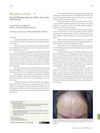
 Frontal fibrosing alopecia mostly affects postmenopausal women, with diagnosis often delayed by 3 years.
May 2021 in “Faculty Opinions – Post-Publication Peer Review of the Biomedical Literature” Clinicians need to better understand and treat Post-finasteride syndrome.
January 2025 in “Biochemical Pharmacology” Peficitinib can turn human fibroblasts into cells that help grow hair.
 1 citations
,
May 2024 in “Dermatology and Therapy”
1 citations
,
May 2024 in “Dermatology and Therapy” Frontal Fibrosing Alopecia needs better diagnostics and treatments, with dutasteride showing promise.
97 citations
,
December 2011 in “New England Journal of Medicine” The FDA did not approve certain drugs for prostate cancer prevention due to concerns about their effectiveness and potential risks.
 January 2025 in “BMJ Case Reports”
 Precocious puberty can signal familial adenomatous polyposis.
March 2005 in “Journal of the American Academy of Dermatology” Cosmetic treatments can replenish key amino acids in damaged hair, improving its strength and appearance.
December 2024 in “Aesthetic Plastic Surgery” Combining PEMF with PBST is more effective for hair regrowth than PBST alone.
30 citations
,
January 2020 in “Fertility and Sterility” Finasteride can cause serious side effects in some men, needing more research for treatment.
January 2022 in “Archivos españoles de urología” Post-finasteride syndrome is rarely linked to sexual and systemic side effects.
 5 citations
,
April 2019 in “Journal of The American Academy of Dermatology”
5 citations
,
April 2019 in “Journal of The American Academy of Dermatology” Frontal Fibrosing Alopecia may be a complex condition linked to hormonal changes in women, not just a form of Lichen Planopilaris.
3 citations
,
January 2018 in “International Journal of Trichology” The new system helps detect and track early female hair loss better.
July 2023 in “International Journal of Molecular Sciences” Trapa bispinosa Roxb. extract may help reduce prostate size and cell growth in BPH.