18 citations
,
September 2021 in “Journal of Neuroendocrinology” Neurosteroids can influence behavior by modulating brain inhibition, with potential for treating psychiatric disorders.
Cepharanthine and tetrandrine show promise as COVID-19 drugs.
11 citations
,
January 2016 in “Molecular and Cellular Neuroscience” Chronic ethanol increases certain brain receptor levels, influenced by steroids and protein changes.
 August 2013 in “Hospital Pharmacy”
 Certain medications can cause serious side effects, including skin reactions, stroke, muscle disorders, tongue swelling, hair loss in women, and liver failure.
10 citations
,
February 1976 in “The Journal of Dermatology” γ‐Oryzanol ointment increases sebaceous gland activity and sebum production.
 December 2023 in “Journal of ethnopharmacology”
 Tribuloside can increase skin pigmentation by enhancing melanin production and distribution.
188 citations
,
December 2020 in “Foods” Polyphenols in plant foods help prevent diseases and have potential uses in food, cosmetics, and more.
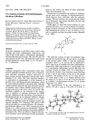 December 1998 in “Acta Crystallographica Section C-crystal Structure Communications”
 A new compound with strong antiandrogenic effects was found, potentially useful for treating conditions like acne and prostate cancer.
 December 2025 in “Zenodo (CERN European Organization for Nuclear Research)”
 Ficus platyphylla leaf extract is likely safe in high doses, with minor temporary side effects.
14 citations
,
June 2011 in “Steroids” New compounds may help treat prostate issues without affecting androgen receptors.
 May 2026 in “International Journal of Molecular Sciences”
 The new human placental extract may help prevent hair graying and reduce nerve pain from chemotherapy.
5 citations
,
September 2015 in “Medical hypotheses” Topical sulfonylurea may reduce excessive hair growth caused by certain medications.
 1 citations
,
January 2022 in “Journal of Oleo Science”
1 citations
,
January 2022 in “Journal of Oleo Science” Phyllanthus emblica extract in transfersomes is a promising treatment for hair growth.
38 citations
,
April 2020 in “IntechOpen eBooks” Phenylalanine may help with depression but can cause issues if not properly processed.
January 2026 in “RSC Medicinal Chemistry” Calanthoside may help hair growth by boosting cell proliferation.
 June 2026 in “Dermatology and Therapy”
 GLP-1RAs, like semaglutide and tirzepatide, may cause hair loss, so patients should be informed and monitored.
 February 2024 in “Trends in Sciences”
 Store Tectona grandis leaf extracts in slightly acidic, light-protected conditions for best stability.
 25 citations
,
April 2014 in “Journal of Scientific and Innovative Research”
25 citations
,
April 2014 in “Journal of Scientific and Innovative Research” Tridax procumbens may help treat diabetes.
19 citations
,
June 2013 in “Journal of Neuroendocrinology” Neurosteroids may help prevent seizures and slow epilepsy progression.
3 citations
,
July 2025 in “Obesity Facts” GLP-1 receptor analogs may help improve metabolism and reproductive health in people with PCOS and obesity.
 18 citations
,
January 2000 in “Food Science and Technology Research”
18 citations
,
January 2000 in “Food Science and Technology Research” Apple polyphenols, especially from unripe apples, can help prevent cells from turning into fat cells.
25 citations
,
September 2024 in “Cardiovascular Drugs and Therapy” GLP1-RAs may have higher reports of suicidal events and hair loss compared to other diabetes drugs.
December 2025 in “Biomolecules” Compound 7p shows strong potential as an anticancer agent.
19 citations
,
March 2010 in “Steroids” Certain progesterone derivatives can inhibit enzymes and reduce androgenic activity, potentially affecting prostate growth.
 October 2004 in “Australian Prescriber”
 Lifestyle changes are more effective than metformin for reducing type 2 diabetes risk.
 October 2025 in “Proceedings of the National Academy of Sciences”
 Phospholipids help plant proteins move by regulating receptor interactions.
 8 citations
,
February 2003 in “Annals of Neurology”
8 citations
,
February 2003 in “Annals of Neurology” Progesterone treatment improved seizures in a woman with menstrual cycle-related epilepsy, but a wrong medication worsened her condition.
1 citations
,
August 2025 in “Molecules” Hederagenin shows promise for cancer and inflammation treatment but needs modifications to improve effectiveness.
13 citations
,
October 2001 in “British Journal of Ophthalmology” Prophylactic pilocarpine may not prevent angle closure in the other eye.