 December 2025 in “Journal of Food Innovation, Nutrition, and Environmental Sciences”
 Solar drying preserves chlorophyll and phytochemicals in Chaya leaves better than sun drying.
 November 2025 in “Frontiers in Endocrinology”
 Apigenin and ellagic acid may help manage PCOS symptoms.
 August 2025 in “Fabad Journal of Pharmaceutical Sciences”
 Cuscuta reflexa has potential medicinal benefits but needs more research for clinical use.
 October 2025 in “SAR Journal of Medical Biochemistry”
 Moringa oleifera seeds may be a safer alternative to standard antihelminthic drugs.
 10 citations
,
December 2019 in “International journal of medicinal chemistry”
10 citations
,
December 2019 in “International journal of medicinal chemistry” Chemicals from the plant Dicerocaryum senecioides were found to safely speed up and increase hair growth in mice.
 November 2024 in “International Journal of Plant and Environment”
 Sphenodesme involucrata var. paniculata is a safe and healthy medicinal plant with beneficial nutrients.
 January 2024 in “International journal of pharmaceutical sciences review and research”
 Indian jujube has many medicinal properties and can help treat ailments like diabetes, inflammation, and cancer.
 August 2023 in “International Journal of Science and Research (IJSR)”
 Kadali is a versatile medicinal plant used to treat various health issues.
 2 citations
,
January 2025 in “Pharmaceutical Research”
2 citations
,
January 2025 in “Pharmaceutical Research” Angelica gigas Nakai root extracts may help with cancer, pain, memory loss, and metabolic issues.
 December 2020 in “International Journal of Biosciences (IJB)”
 Eclipta alba shows promise for medicinal use but needs more research.
13 citations
,
November 2022 in “Journal of King Saud University - Science” Juniperus excelsa, Olea oleaster, and Olea europaea have potential as natural antioxidants and wound healing agents.
 1 citations
,
June 2013 in “Clinics in dermatology”
1 citations
,
June 2013 in “Clinics in dermatology” Herbs may be safer and effective for treating hair loss.
3 citations
,
May 2009 in “International Journal of Cosmetic Science” Relaxer treatments damage African–American hair, with commercial products causing more harm than lab-made solutions.
 2 citations
,
March 2025 in “Archives of Dermatological Research”
2 citations
,
March 2025 in “Archives of Dermatological Research” HEV light can harm or help skin and scalp, so safe exposure guidelines are needed.
Different types of sun exposure damage skin cells and immune cells, with chronic exposure leading to more severe and lasting damage.
1 citations
,
October 2025 in “Journal of Microbiology and Biotechnology” Natural extracts may promote hair growth with fewer side effects than conventional treatments.
 1 citations
,
November 2022 in “Research Society and Development”
1 citations
,
November 2022 in “Research Society and Development” Medicinal plants can treat hair disorders by fighting fungi and improving hair health.
 1 citations
,
January 2020 in “Recent Research in Genetics and Genomics/Recent Research in Genetics and Genomics ”
1 citations
,
January 2020 in “Recent Research in Genetics and Genomics/Recent Research in Genetics and Genomics ” High doses of Lepidium sativum seed extract are toxic and should be used with caution.
 16 citations
,
October 2015 in “Photochemistry and photobiology”
16 citations
,
October 2015 in “Photochemistry and photobiology” Reducing copper (II) ion levels in hair can decrease hair damage.
 July 2025 in “Scientific Reports”
 Fermented grapeseed oil effectively repairs and protects chemically damaged hair.
 195 citations
,
January 2008 in “Photochemistry and Photobiology”
195 citations
,
January 2008 in “Photochemistry and Photobiology” Visible light can damage skin and most sunscreens don't block it well; more research is needed on its effects and protection methods.
 126 citations
,
January 2009 in “International Journal of Trichology”
126 citations
,
January 2009 in “International Journal of Trichology” Oxidative stress contributes to hair graying and loss as we age.
 31 citations
,
October 2012 in “Archives of ophthalmology”
31 citations
,
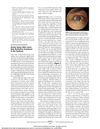
October 2012 in “Archives of ophthalmology” Laser hair reduction near the eyebrows can cause serious eye injuries even with safety measures.
 27 citations
,
June 2015 in “Journal of photochemistry and photobiology. B, Biology”
27 citations
,
June 2015 in “Journal of photochemistry and photobiology. B, Biology” The new lab-grown skin model is good for testing sunscreen's protection against DNA damage from UV light.
 27 citations
,
August 2014 in “Journal of Cosmetic and Laser Therapy”
27 citations
,
August 2014 in “Journal of Cosmetic and Laser Therapy” Different lasers and radiofrequency affect skin differently, important for dermatologists to choose the right treatment.
 19 citations
,
January 2015 in “Current problems in dermatology”
19 citations
,
January 2015 in “Current problems in dermatology” Ultraviolet rays damage hair, smoking may cause hair loss, and good nutrition is important for hair health, but genetics mainly decide hair thickness.
12 citations
,
May 2022 in “Plants” Nano-phytopharmaceuticals show promise but need more research for safe, effective use in treating certain disorders.
 11 citations
,
January 2004 in “Exogenous dermatology”
11 citations
,
January 2004 in “Exogenous dermatology” Outside factors like grooming, chemicals, and the environment can damage hair and cause disorders.
 8 citations
,
March 2018 in “Cosmetics”
8 citations
,
March 2018 in “Cosmetics” UV radiation damages hair by creating holes and peeling cuticle layers.
 May 2026 in “Archives of Dermatological Research”
 Vitamin E and gamma-oryzanol protect hair from UV damage.