114 citations
,
February 2023 in “International Journal of Molecular Sciences” The skin microbiome is crucial for skin health, and more research is needed to explore its role and potential treatments.
82 citations
,
March 2013 in “PLoS ONE” Vemurafenib causes skin side effects similar to RASopathies, requiring regular skin checks and UVA protection.
 49 citations
,
August 2016 in “Aesthetic Surgery Journal”
49 citations
,
August 2016 in “Aesthetic Surgery Journal” Micro-needling effectively improves wrinkles, scars, and hair growth, but proper technique and safety are important.
 8 citations
,
July 2008 in “Facial Plastic Surgery Clinics of North America”
8 citations
,
July 2008 in “Facial Plastic Surgery Clinics of North America” More men are getting non-surgical cosmetic treatments due to increased income and social acceptance, with less invasive options being preferred.
 4 citations
,
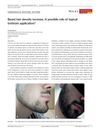
November 2016 in “Dermatologic Therapy”
4 citations
,
November 2016 in “Dermatologic Therapy” Topical tretinoin may increase beard hair density.
 3 citations
,
January 2020 in “Plastic and Aesthetic Research”
3 citations
,
January 2020 in “Plastic and Aesthetic Research” Non-surgical procedures can help reduce wrinkles and stimulate skin repair by understanding skin aging at the molecular level.
 2 citations
,
November 2014
2 citations
,
November 2014 Common cosmetic dermatology techniques improve skin damaged by the sun and aging.
 March 2026 in “Plastic and Aesthetic Research”
 Adipose-derived stem cell exosomes can help reduce skin aging from UV exposure.
January 2025 in “Health engineering.” Combining stem cells and organoids could improve skin regeneration treatments.
 May 2013 in “Springer eBooks”
 Skin problems in the elderly are unique and may indicate other diseases, involving changes in skin, hair, nails, and increased cancer risk.
 December 2008 in “The American Journal of Cosmetic Surgery”
 Multi-pass laser skin treatments improved healing, reduced pain, and had no major complications.
8 citations
,
November 2024 in “Journal of Cosmetic Dermatology” Injections are effective and safe for rejuvenating neck, chest, and hands.
25 citations
,
February 2025 in “Frontiers in Bioengineering and Biotechnology” New skin repair methods show promise but need to be safer and more accessible.
16 citations
,
March 2025 in “International Journal of Molecular Sciences” Extracellular vesicles show promise in skin treatments but need more research and standardization.
4 citations
,
March 2022 in “Cosmetics” Nourella® effectively improves skin thickness and elasticity, reversing aging signs.
June 2021 in “International journal of cosmetics and dermatology” Vitamin C and E may help with certain skin and hair conditions, but more research is needed to confirm their effectiveness.
 49 citations
,
June 2009 in “Seminars in Cutaneous Medicine and Surgery”
49 citations
,
June 2009 in “Seminars in Cutaneous Medicine and Surgery” The cosmetic industry should adapt to the varied beauty standards of ethnic groups and offer specialized treatments.
 5 citations
,
October 2022 in “Phenomics”
5 citations
,
October 2022 in “Phenomics” Your skin is like an ecosystem, with its own community of microbes and substances that interact and affect its health.
December 2025 in “Pharmaceutics” Personalized skin rejuvenation using genomics shows promise but needs more research.

A portable imaging system shows promise for diagnosing skin diseases and checking laser treatment effects.
 May 2015 in “Journal of Investigative Dermatology”
 Wnt-3a helps grow more skin stem cells, which could lead to new hair loss treatments.
 September 2004 in “Experimental dermatology”
 Melatonin directly affects mouse hair follicles and may influence hair growth.
 66 citations
,
September 2005 in “Photochemical & photobiological sciences”
66 citations
,
September 2005 in “Photochemical & photobiological sciences” We don't fully understand how sunlight damages different types of hair.
 65 citations
,
January 2017 in “Postępy Dermatologii i Alergologii”
65 citations
,
January 2017 in “Postępy Dermatologii i Alergologii” High-frequency ultrasonography is a useful but underused tool in dermatology for assessing skin cancers, monitoring diseases, and evaluating treatments.
 33 citations
,
May 2019 in “Aesthetic Plastic Surgery”
33 citations
,
May 2019 in “Aesthetic Plastic Surgery” Using hyaluronic acid fillers and laser together is generally safe and effective for facial rejuvenation, but careful planning is needed.
25 citations
,
February 2023 in “Aesthetic Surgery Journal” Photobiomodulation is safe for skin rejuvenation, even for those with a cancer history.
15 citations
,
July 2022 in “Biomedicines” UGRSKIN absorbs UV like native skin after 21-28 days, making it potentially suitable for clinical use.
15 citations
,
July 2000 in “The journal of investigative dermatology/Journal of investigative dermatology” Fluorescence can effectively measure acne treatment progress.
 14 citations
,
April 2022 in “Climacteric”
14 citations
,
April 2022 in “Climacteric” Menopause causes dry skin, wrinkles, and hair changes, with hormone therapy helping but not recommended just for these issues.
 1 citations
,
September 2016 in “Springer eBooks”
1 citations
,
September 2016 in “Springer eBooks” Sebum production varies by individual and is influenced by age, gender, and hormones, affecting skin and hair health.