6 citations
,
April 2005 in “Journal of dermatological science” The study found nine new hair protein genes in human hair follicles.
 June 2026 in “HAL (Le Centre pour la Communication Scientifique Directe)”
 SH‑1 is safer for cosmetic use than PP405.
 January 2015 in “Current Opinion in Endocrinology, Diabetes and Obesity” 1 citations
,
January 2019
January 2015 in “Current Opinion in Endocrinology, Diabetes and Obesity” 1 citations
,
January 2019 The 1:5 ratio of fragrant pandan to celery extract best promotes hair growth.
 32 citations
,
April 2016 in “Journal of Investigative Dermatology”
32 citations
,
April 2016 in “Journal of Investigative Dermatology” STAT5 activation is crucial for starting the hair growth phase.
2 citations
,
January 1999 in “Dermatology” 1 citations
,
January 2002 in “PubMed” PM-9, like finasteride, may help treat certain diseases by blocking a key enzyme.

The document corrects a mistake by stating that pimecrolimus, not tacrolimus, is the drug that concentrates in the skin.
 April 2016 in “Journal of Investigative Dermatology”
 A peptide known for reducing wrinkles also effectively inhibits an enzyme linked to skin inflammation and acne.
 January 2025 in “PLoS ONE”
 ING5 is crucial for stem cell maintenance and preventing certain cancers.
 19 citations
,
August 2023 in “Experimental & Molecular Medicine”
19 citations
,
August 2023 in “Experimental & Molecular Medicine” Blocking CXXC5 speeds up diabetic wound healing by improving blood vessel growth and skin repair.
 13 citations
,
August 2007 in “Bioorganic & medicinal chemistry letters”
13 citations
,
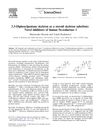
August 2007 in “Bioorganic & medicinal chemistry letters” A new compound effectively inhibits human 5α-reductase 1.
 12 citations
,
June 2020 in “Frontiers in Cell and Developmental Biology”
12 citations
,
June 2020 in “Frontiers in Cell and Developmental Biology” The PP2A-B55α protein is essential for brain and skin development in embryos.
13 citations
,
September 2012 in “Cell & tissue research/Cell and tissue research” pCLCA2 protein may help maintain skin structure and function.
 April 2026 in “Inflammopharmacology”
 Punica granatum leaf extract may help treat skin fibrosis by reducing inflammation and oxidative stress.
32 citations
,
July 2003 in “Histochemistry and Cell Biology”  May 2017 in “bioRxiv (Cold Spring Harbor Laboratory)”
 The peach gene pCTG134 helps control the interaction between auxin and ethylene hormones during fruit ripening.
11 citations
,
October 2014 in “Gene” Researchers identified a new variant of the FGF5 gene in sheep that affects hair length.
 1 citations
,
March 2023 in “Frontiers in Cardiovascular Medicine”
1 citations
,
March 2023 in “Frontiers in Cardiovascular Medicine” A specific gene variant is linked to heart disease, increased heart muscle, curly hair, and thick skin on palms and soles.
46 citations
,
September 2007 in “Journal of Investigative Dermatology” 133 citations
,
June 1993 in “Molecular and Cellular Biology” The human K5 promoter controls specific gene expression in skin cells, with key regulatory elements near the TATA box.
6 citations
,
January 2014 in “Genetics and Molecular Research” The method successfully created stable transfection donor cells for goat hair follicle research.
 38 citations
,
July 2019 in “Nature Communications”
38 citations
,
July 2019 in “Nature Communications” Par3 protein is essential for skin cell balance and stability.
3 citations
,
July 2023 in “Acta Biomaterialia” PepACS offers a safer, eco-friendly way to perm, dye, and repair hair.
 2 citations
,
August 2023 in “Development”
2 citations
,
August 2023 in “Development” Hair follicles in the back of the rosette fancy mouse have reversed orientations due to a gene mutation.

PmtHEE is a better model for studying pigmented skin because it includes melanocytes and shows improved cell differentiation.
January 1981 in “Elsevier eBooks”  April 2018 in “Journal of Investigative Dermatology”
 Removing STAT5 from 3D-cultured human skin cells reduces their ability to grow hair.
December 2025 in “Biomolecules” Compound 7p shows strong potential as an anticancer agent.
79 citations
,
June 1993 in “Molecular and Cellular Biology” The K5 promoter controls gene expression in skin cells, with specific DNA segments crucial for targeting and regulation.