
Newly designed proteins can effectively degrade specific proteins in cells, offering a potential new therapy method.
 January 2026 in “Food Science and Human Wellness”
 Krill oil may help reduce prostate enlargement and growth.
27 citations
,
February 2023 in “Oxidative Medicine and Cellular Longevity” Platelets help heal wounds by transferring mitochondria to cells, reducing stress and cell death.
November 2008 in “Cancer Prevention Research” Chemoprevention can significantly lower cancer risks and needs more research and collaboration.
 January 2015 in “Current Opinion in Endocrinology, Diabetes and Obesity”
  2 citations
,
March 2012 in “JAMA”
2 citations
,
March 2012 in “JAMA” Early surgery reduces seizure risk in drug-resistant epilepsy; testosterone to DHT conversion doesn't affect muscle anabolism; veterans with PTSD likely to have riskier opioid use; bevacizumab helps in hereditary bleeding disorder.
February 2026 in “Postgraduate Medicine” 5-alpha reductase inhibitors slightly increase depression risk, but the risk varies based on the control group used.
August 2024 in “OBM Transplantation” Platelets can help heal and regenerate tissues, but personalized methods are needed for best results.
 August 2009 in “Australian Prescriber”
 Dutasteride is approved to help manage prostate enlargement.
March 2026 in “Bioengineering & Translational Medicine” PEGylated thymosin β4 shows promise for treating heart attacks effectively.
 July 1998 in “Proceedings of SPIE”
 Low-power laser therapy is an effective, side-effect-free treatment that speeds up hair regrowth and crural ulcer healing.
 18 citations
,
October 2010 in “Bioorganic & Medicinal Chemistry Letters”
18 citations
,
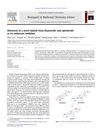
October 2010 in “Bioorganic & Medicinal Chemistry Letters” New hybrid compound found to effectively prevent hair loss.
 April 2016 in “Journal of Investigative Dermatology”
 Blocking Prostaglandin D₂ (PGD₂) could help treat hair loss.
 2 citations
,
November 2019 in “Skin appendage disorders”
2 citations
,
November 2019 in “Skin appendage disorders” Platelet-rich plasma doesn't prevent hair loss from chemotherapy, and mononuclear cells only help against hair loss from one specific chemotherapy drug.
4 citations
,
September 2024 in “PubMed” There's not enough evidence to prove platelet-rich plasma works for facial rejuvenation.
97 citations
,
May 2004 in “British Journal of Urology” Dual therapy with specific medications can help manage male urinary symptoms and reduce side effects.
 November 2024 in “Journal of Family Medicine and Primary Care”
 5 alpha reductase inhibitors can cause sexual, cognitive, and muscle side effects, and may slightly increase aggressive cancer risk.
24 citations
,
August 2023 in “International Journal of Molecular Sciences” Platelet-rich fibrin shows promise in healing cartilage and joint injuries but needs more testing.
 December 2025 in “International Neurourology Journal”
 Alpha-blockers and 5-alpha reductase inhibitors don't significantly increase dementia risk.
 June 2026 in “Acta Pharmacologica Sinica”
 Improving PROTAC delivery systems can enhance their effectiveness and speed up their use in medicine.
 22 citations
,
January 2001 in “Chemical & Pharmaceutical Bulletin”
22 citations
,
January 2001 in “Chemical & Pharmaceutical Bulletin” Some new progesterone derivatives are better at blocking testosterone conversion than a common drug.
 166 citations
,
August 2011 in “Dermatologic Surgery”
166 citations
,
August 2011 in “Dermatologic Surgery” Platelet-rich plasma with a new carrier significantly increases hair thickness without serious side effects.
 January 2026 in “Yonsei Medical Journal”
 Finasteride and dutasteride have little effect on Type 2 Diabetes risk.
 9 citations
,
November 2018 in “Acta Clinica Belgica”
9 citations
,
November 2018 in “Acta Clinica Belgica” Don't combine abiraterone and spironolactone for prostate cancer treatment as it may worsen the disease.
October 2024 in “Journal of Pakistan Association of Dermatologists” PRP is more effective than finasteride for hair growth with fewer side effects.
 1 citations
,
March 2012 in “Journal of Dermatological Science”
1 citations
,
March 2012 in “Journal of Dermatological Science” Testosterone, progesterone, and levonorgestrel change enzyme levels related to fat production in hamster skin, which could affect skin oil and acne.
 13 citations
,
January 2019 in “Colloids and Surfaces B: Biointerfaces”
13 citations
,
January 2019 in “Colloids and Surfaces B: Biointerfaces” The new drug delivery systems made with surfactants and block polymers are stable and not toxic.
38 citations
,
January 2017 in “PPAR Research” PPAR-γ helps control skin oil glands and inflammation, and its disruption can cause hair loss diseases.
A single dose of Platelet Rich Plasma effectively reduces symptoms of early knee osteoarthritis.
July 2025 in “Journal of Investigative Dermatology” Upadacitinib effectively treats pyoderma gangrenosum.