1 citations
,
April 2011 in “Clinical Kidney Journal” A benign skin tumor grew quickly in a dialysis patient and was surgically removed.
 22 citations
,
January 2009 in “Medical mycology”
22 citations
,
January 2009 in “Medical mycology” A family got a fungal infection from a boy who had contact with rabbits, but they all recovered with treatment.
14 citations
,
October 2001 in “British Journal of Ophthalmology” Corneal issues in pemphigus vulgaris may require surgery if medication is not followed.
 3 citations
,
July 2004 in “SKINmed/Skinmed”
3 citations
,
July 2004 in “SKINmed/Skinmed” A 4-year-old girl was diagnosed with erythrokeratodermia variabilis after other treatments failed.
14 citations
,
June 1989 in “Journal of dermatology” Three siblings had both Vohwinkel's disease and congenital alopecia, with no effective treatment.
January 2025 in “Clinical Case Reports” Follicular porokeratosis may be linked to diabetes and can lead to hair loss.
6 citations
,
October 1998 in “PubMed” Antifungal treatment can improve severe skin infections with cutaneous horns.
7 citations
,
January 2020 in “Dermatology online journal” An adult with a rare skin condition improved with tazarotene treatment.
24 citations
,
July 2014 in “Journal of Investigative Dermatology” Nagashima-type palmoplantar keratosis in Asians is caused by a SERPINB7 gene mutation.
 3 citations
,
September 2021 in “Experimental and Therapeutic Medicine”
3 citations
,
September 2021 in “Experimental and Therapeutic Medicine” Early diagnosis of Keratosis pilaris atrophicans faciei can lead to better, personalized treatments.
Diseased horse foot skin shows increased keratin expression, similar to wound healing in mammals.
39 citations
,
March 1997 in “The Lancet” Acquired perforating dermatosis often affects skin in people with kidney issues and diabetes.
 August 2018 in “Journal of The American Academy of Dermatology”
 A 5-year-old girl with a rare skin disorder was effectively treated with skin creams instead of oral medication.
3 citations
,
April 2011 in “Journal of the American Academy of Dermatology” A 19-year-old man had a rare skin condition on one side of his face that looked like another skin disease.
July 2023 in “Clinical Cosmetic and Investigational Dermatology” Accurate diagnosis of granular parakeratosis is crucial for effective treatment and improvement.
 December 2025 in “International Journal of Research in Dermatology”
 Keratosis pilaris is common in young females, and dermoscopy helps diagnose it accurately.
January 2022 in “Clinical dermatology review” A girl with a rare skin condition called Keratosis Follicularis Spinulosa Decalvans showed no significant improvement with treatment.
2 citations
,
September 2004 in “Experimental Dermatology” Keratinocyte adhesion problems can cause skin and hair disorders.
7 citations
,
April 2004 in “International Journal of Dermatology” The newborn's skin blistering is due to a genetic condition called epidermolytic hyperkeratosis.
 1 citations
,
March 2023 in “Tidsskrift for Den norske lægeforening”
1 citations
,
March 2023 in “Tidsskrift for Den norske lægeforening” Keratosis pilaris is a common skin condition causing a bumpy texture, sometimes linked to other diseases, with various treatments available.
13 citations
,
July 2016 in “Indian Journal of Dermatology” DPR can show different hair characteristics, as seen in two brothers with normal hair.
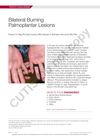
The woman was diagnosed with lichen sclerosus, a rare skin condition, after initial misdiagnosis and ineffective treatments.
2 citations
,
June 2013 in “Journal of Dermatological Case Reports” Olmsted syndrome is a rare skin disorder causing thickened skin and other symptoms.
 54 citations
,
January 1983 in “Archives of Dermatology”
54 citations
,
January 1983 in “Archives of Dermatology” KFSD is a rare condition causing scarring hair loss, with no effective treatment known at the time of the report.
1 citations
,
January 2015 in “Journal of clinical case reports” KFSD causes scarring hair loss and skin roughness, mainly in males.
5 citations
,
March 1943 in “Archives of Dermatology and Syphilology” A rare case of severe scalp hair loss and nail issues in keratosis follicularis was observed.
 July 2026 in “International Journal of Innovative Technologies in Social Science”
 Current treatments for keratosis pilaris provide temporary relief, but more research is needed for better solutions.
July 1974 in “Archives of dermatology” The woman's widespread skin condition did not improve despite various treatments.
 January 2024 in “The Indian Veterinary Journal”
 A young goat with skin issues improved with medication and supplements.
 February 2026 in “Trials”
 The Exfoliate-Dissolve-Repair skincare approach may effectively treat keratosis pilaris and reduce the need for corticosteroids.