 March 2026 in “Aging Research”
 Personalized anti-aging strategies are important, considering genetics and lifestyle.
 January 2026 in “Food Science and Human Wellness”
 Krill oil may help reduce prostate enlargement and growth.
 January 2026 in “Military Medicine”
  January 2026 in “International Journal of Dermatology Venereology and Leprosy Sciences”
 Intradermal dutasteride effectively and safely improves hair growth in early-stage androgenetic alopecia.
 January 2026 in “International Journal of Dermatology Venereology and Leprosy Sciences”
 Metformin may improve acanthosis nigricans by reducing insulin resistance.
 January 2026 in “Florence Research (University of Florence)”
 Wound healing involves four phases with various cells, but more research is needed on certain interactions.
 December 2025 in “Journal of Ovarian Research”
 Vitamin B6 may help activate dormant follicles.
 December 2025 in “ADMET & DMPK”
 Personalized treatments for hair loss focus on specific genetic and biological pathways.
Alopesi tedavisinde ilaçlar saç büyümesini teşvik eder ve yeni yaklaşımlar umut vaat eder.
 November 2025 in “Nanoscale Advances”
 Inorganic nanoparticle-based scaffolds can improve wound healing by fighting bacteria and helping tissue grow.
 October 2025 in “International Journal of Cell and Biomedical Science”
 hUC-MSC secretome can help regrow hair in cases of hair loss.
 June 2025 in “Universal library of medical and health sciences.”
 External factors like pollution, stress, and poor nutrition can negatively affect hair growth.
 June 2025 in “Clinical Cosmetic and Investigational Dermatology”
 There's an urgent need for better treatments for hair loss caused by radiation therapy.
 December 2024 in “Kufa Medical journal”
 Higher levels of IL-17A and IL-2 are linked to alopecia areata.
 July 2024 in “Forum Dermatologicum”
 Topical treatments for hair loss can be effective but need careful safety evaluation.
 March 2024 in “Frontiers in genetics”
 Different types of fibroblasts play specific roles in wound healing and cancer, which could help improve treatments.
 February 2024 in “PloS one”
 Tofacitinib and adalimumab are promising treatments for cicatricial alopecia with few side effects.
 September 2022 in “Institutional Repositories DataBase (IRDB)”
 3D-oxy exosomes may significantly boost hair growth, offering new treatment options for hair loss.
 January 2022 in “Journal Of Biotechnology And Crop Science”
 Liquorice has medicinal benefits, including antioxidant, anti-inflammatory, antimicrobial, antiulcer, and antiviral effects.
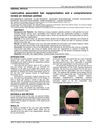
Lamivudine might reverse hair graying and needs more research for potential treatments.
 October 2020 in “Veterinary Dermatology”
 New treatments and diagnostic methods for various animal skin conditions showed promising results.
 August 2020 in “Research Square (Research Square)”
 Neural progenitor cell-derived nanovesicles help hair growth by activating a key signaling pathway.
 June 2020 in “Journal of Dermatological Treatment”
 Use telemedicine and strict hygiene for safe hair and scalp treatments during COVID-19.
 April 2020 in “Research Square (Research Square)”
 Exosomes from stem cells help wounds heal faster by affecting specific cell signals.

New treatments for hair loss show promise, including plasma, stem cells, and hair-stimulating complexes, but more research is needed to fully understand them.
 January 2018 in “Springer eBooks”
 Cancer treatments targeting specific cells often cause skin, hair, and nail problems, affecting patients' lives and requiring careful management.

Use the least toxic, most specific treatments for skin diseases, considering side effects and individual patient needs.
 January 2026 in “Journal of Hard Tissue Biology”
 Red LED light boosts cell activity and growth, aiding wound healing and blood vessel repair.
 May 2021 in “Experimental Cell Research”
 FOXC1 boosts SFRP1 in hair loss, suggesting new treatments.
 121 citations
,
January 1991 in “Acta dermato-venereologica”
121 citations
,
January 1991 in “Acta dermato-venereologica” Terbinafine quickly builds up in skin and hair, staying effective for over 3 weeks.