 September 2025 in “AESTHETIC OROFACIAL SCIENCE”
 PDO threads are effective and safe for treating alopecia, but more research is needed.
 6 citations
,
November 1996 in “Archives of Dermatology”
6 citations
,
November 1996 in “Archives of Dermatology” A man's relapsed leprosy was successfully treated with the antibiotic sparfloxacin.

The hydrogel speeds up wound healing by fighting bacteria and helping tissue regrow.
July 2026 in “Dermatology Reports” The gel reduced folliculitis symptoms and was safe and well-received.
13 citations
,
November 1996 in “International Journal of Dermatology” Liposomes can improve the effectiveness of skin treatments.
 September 2019 in “University of Huddersfield Repository (University of Huddersfield)”
 Nanoemulsions can effectively deliver antiseptic agents deep into the skin.
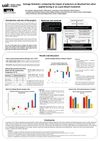 June 2017 in “University of the Arts London Research Online (University of the Arts London)”
 Polymers help reduce damage and improve bleached hair when used during or after bleaching.
2 citations
,
August 2023 in “Molecules” SH-340 may improve skin barrier and help treat atopic dermatitis.
7 citations
,
January 2024 in “Regenerative Biomaterials” The new dressing improves chronic wound healing by preserving and releasing growth factors effectively.
January 2017 in “Isan Journal of Pharmaceutical Sciences” A 3:1 surfactant mixture in microemulsions can effectively deliver finasteride through the skin.
 15 citations
,
July 2002 in “Australasian Journal of Dermatology”
15 citations
,
July 2002 in “Australasian Journal of Dermatology” Two plywood factory workers developed contact dermatitis from phenol-formaldehyde resin, a known allergen.
 March 2016 in “West Indian medical journal”
 There is no significant link between alopecia areata and the PON1 enzyme polymorphisms studied.
5 citations
,
June 2005 in “Journal of Clinical Oncology” PPX causes much less hair loss than traditional taxanes.
19 citations
,
January 2022 in “Journal of Nanomaterials” NH-Tween-80 is a promising stable gel for treating acne.
August 2025 in “Acta Biomaterialia” The new hydrogel speeds up wound healing by reducing inflammation and promoting tissue growth.
September 2025 in “Acta Biomaterialia” A new tissue adhesive helps wounds heal better by allowing more cells to enter.
 26 citations
,
March 2015 in “American journal of clinical dermatology”
26 citations
,
March 2015 in “American journal of clinical dermatology” Topical clobetasol is recommended over mycophenolate mofetil for treating Lichen Planopilaris due to better safety and patient satisfaction.
22 citations
,
January 2012 in “Mediators of inflammation” Nonantibiotic macrolides show promise for treating various inflammatory skin conditions.
January 2017 in “Zenodo (CERN European Organization for Nuclear Research)” The minoxidil emulgel is feasible and may be more effective for treating male pattern baldness.
 March 2026 in “Research Square”
 Polymer dot nanozymes and exosomes, with laser stimulation, speed up wound healing.
 9 citations
,
January 2017 in “Organic Process Research & Development”
9 citations
,
January 2017 in “Organic Process Research & Development” In 2017, a new method was created to efficiently produce a topical antiandrogen, a compound used to treat excess sebum and acne, with a high yield and purity.
 July 2020 in “CRS 2020 Virtual Annual Meeting”
 Researchers developed a new skin patch that delivers more finasteride into the skin, potentially improving treatment for hair loss and prostate issues.

Finasteride is more stable in sunlight than Diclofenac and Naproxen.
 April 2017 in “Journal of Investigative Dermatology”
 SB414 may be an effective treatment for atopic dermatitis by reducing swelling and bacterial infection.
 2 citations
,
January 2024 in “Pakistan Journal of Life and Social Sciences (PJLSS)”
2 citations
,
January 2024 in “Pakistan Journal of Life and Social Sciences (PJLSS)” Emulgels are effective for delivering skin medications due to their unique gel-emulsion mix.
 17 citations
,
June 2017 in “Journal of pharmaceutical sciences”
17 citations
,
June 2017 in “Journal of pharmaceutical sciences” Researchers developed a nanomedicine for acne treatment that delivers medication with less irritation and is non-irritating for oily skin.
 263 citations
,
February 2011 in “Journal of Controlled Release”
263 citations
,
February 2011 in “Journal of Controlled Release” Medium-sized particles penetrate hair follicles better than smaller or larger ones, which could improve delivery of skin treatments.
 March 2025 in “Scientific Reports”
 Menthol-based microemulsions improve skin delivery of finasteride and silodosin.
January 2026 in “Al-Azhar Assiut Medical Journal” Intralesional pentoxifylline effectively and safely treats alopecia areata, improving hair regrowth.
21 citations
,
September 2013 in “Current medicinal chemistry” HAC and BAC improve skin targeting and reduce diffusion without causing irritation.