Search
for
Sort by
Research
480-510 / 1000+ resultsresearch Short-term efficacy and safety of valproate sustained-release formulation in newly diagnosed partial epilepsy VIPe-study. A multicenter observational open-label study.
Valproate sustained-release is effective and generally safe for short-term treatment of new partial epilepsy.

research A case of pemphigus vulgaris developing after platelet-rich plasma treatment
A woman developed a skin condition called Pemphigus Vulgaris after a treatment to help with hair loss.
research Skin permeation of different steroid hormones from polymeric coated liposomal formulations
Polymers increased skin permeation and stability of steroid hormones in liposomal formulations.
research Core-shell nanocarriers based on PEGylated hydrophobic hyperbranched polyesters
The new nanocarriers improve how well water-insoluble drugs dissolve and allow for controlled drug release.
research Tannic acid and silicate-functionalized polyvinyl alcohol–hyaluronic acid hydrogel for infected diabetic wound healing
The hydrogel helps heal diabetic wounds by reducing infection and inflammation.
research The use of oral pioglitazone in the treatment of lichen planopilaris
Pioglitazone may help treat lichen planopilaris, but more research is needed.
research Valproate-Induced Hair Loss: What to Tell Patients
research Malate-based polyester chemically shielded metal-phenolic networks coated artificial hair fibers with long-lasting antimicrobial and anti-inflammatory performance
research [Sodium valproate-induced kinky hair].
A medication called sodium valproate likely caused a girl's hair to become kinky and dry.
research Valproate-acid-induced cutaneous leukocytoclastic vasculitis.
Valproic acid can cause a skin condition called leukocytoclastic vasculitis, which usually gets better after stopping the drug.

research ROS-Degradable Polythioketal Urethane Foam Dressings to Promote Porcine Skin Wound Repair
A special foam called EG7 PTK-UR helps heal skin wounds better than other similar materials, working as well as a top-rated product and better than a polyester foam.

research Safety Evaluation of Topical Valproate Application
Topical Valproate is safe for human skin and unlikely to cause irritation.

research Recent Progress and Morphological Distribution of Polydopamine-Based Biomaterials and Their Applications
Polydopamine is promising for personalized medicine and biomedical technology due to its strong adhesion and biocompatibility.
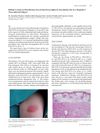
research Bullous Lesions at Polyethylene Glycol Interferon-alpha-2a Inoculation Site in a Hepatitis C Virus-infected Subject
A patient developed a blister at the injection site after hepatitis C treatment.
research Evaluation of a novel hybrid polymer in hair treatment
The new polymer improves dyed hair's color, moisture, shine, and smoothness.
research The efficacy and safety of diphenylcyclopropenone solutions in propylene glycol and isopropanol. A comparative study of two formulas used for the treatment of 100 patients with alopecia areata
DCP in isopropanol is better tolerated for treating alopecia areata.
research PEG-Dependent Tunable Degradation and Curcumin Release from Curcumin-Based Biomedical Polyurethanes
Curcumin-based polyurethanes with more PEG improve curcumin release and maintain strong antioxidant and antibacterial properties.
research Biological properties of polycaprolactone and barium titanate composite in biomedical applications
Polycaprolactone and barium titanate composites show promise for use in biomedical applications.

research P-Phenylenediamine-Induced Angioedema-like Facies: A Case Report and Review of Pathomechanisms
Hair dye ingredient PPD can cause severe allergic reactions, including facial swelling.
research Stability of polylactic acid particles and release of fluorochromes upon topical application on human skin explants
PLA particles release their contents differently based on the type of fluorochrome used.

research Efficacy and tolerance of 2,3-diphenylcyclopropenone in propylene glycol versus 2,3-diphenylcyclopropenone in isopropanol – a novel formula designed for the treatment of alopecia areata
Both treatments helped hair regrowth in alopecia areata, with isopropanol being better tolerated.
research A case report of verruca vulgaris on basis of alopecia areata successfully treated with diphenylcyclopropenone
Diphenylcyclopropenone (DPCP) effectively treated both alopecia areata and verruca vulgaris.
research Preparation, solubility, and anti-inflammatory effects of a complex of diphenylcyclopropenone/β-cyclodextrin derivatives as the treatment of alopecia areata
The DPCP/HPβCD complex improves solubility and anti-inflammatory effects for alopecia areata treatment.
research Evaluation of a Novel Hybrid Polymer in Hair Treatment
The new hybrid polymer improves dyed hair's color, feel, and manageability.
research ETP026 A case of alopecia areata associated with low dosage VPA treatment
Low dose valproic acid treatment caused hair loss in a young patient.

research 3P's (Pharmacokinetic, Pharmacodynamic, and Pharmacogenomic) of Valproate: What's New?
New information shows Valproate may protect the brain and reduce breathing failure risk but can cause liver damage and other side effects, with genetics affecting dosage needs.
research Lichen planopilaris treated by the peroxisome proliferator activated receptor-γ agonist pioglitazone: Lack of lasting improvement or cure in the majority of patients
Pioglitazone usually doesn't effectively treat or cure lichen planopilaris.

research Actinic Hyperkeratosis Treated with Retinol Combined with a Polylysine Biovector: A Case Report
Retinol with polylysine cleared scalp skin growths in 21 days without side effects.
research The effect of polyphloretin phosphate, polyoestradiol phosphate, a diphosphonate and a polyphosphate on calcification induced by dihydrotachysterol in skin, aorta and kidney of rats
The diphosphonate was the most effective at preventing calcification in rats.