15 citations
,
January 2017 in “Polymers” Polyelectrolytes can improve cell surfaces for better medical applications.
73 citations
,
February 2023 in “Polymers” Peptide hydrogels are promising for drug delivery and tissue repair in medicine.
31 citations
,
September 2011 in “European journal of pharmaceutics and biopharmaceutics” PLA particles release their contents differently based on the type of fluorochrome used.
 101 citations
,
July 2021 in “Nature Communications”
101 citations
,
July 2021 in “Nature Communications” 4D polycarbonate scaffolds show promise for soft tissue repair due to their biocompatibility, shape memory, and minimal immune response.
12 citations
,
July 2017 in “International Journal of Cosmetic Science” N‐AOHPA is a promising alternative to traditional surfactants for better hair conditioning.
 March 2025 in “Frontiers in Pharmacology”
 The hydrogel dressing rapidly heals wounds and promotes blood clotting better than existing options.
 1 citations
,
January 2024 in “Scientific reports (Nature Publishing Group)”
1 citations
,
January 2024 in “Scientific reports (Nature Publishing Group)” Human hair was used to make biodegradable plastic films that could be useful for packaging and disposable products.
July 2019 in “Ferroelectrics” More human hair protein makes the films weaker and less clear.
61 citations
,
January 2013 in “International Journal of Biological Macromolecules” Combining DHT and EDC improves the strength and stability of PADM scaffolds for tissue engineering.
1 citations
,
January 1998 in “Cosmetics and toiletries” Both amodimethicone and dimethicone copolyol amine are effective hair conditioners.
18 citations
,
February 2025 in “Macromolecular Rapid Communications” Thermo-responsive polymers in nanoparticles enable targeted drug delivery and advanced therapies by releasing drugs at specific temperatures.
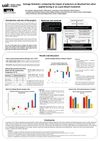 June 2017 in “University of the Arts London Research Online (University of the Arts London)”
 Polymers help reduce damage and improve bleached hair when used during or after bleaching.
 4 citations
,
August 2023 in “Materials”
4 citations
,
August 2023 in “Materials” New synthetic polymers help improve skin wound healing and can be enhanced by adding natural materials and medicines.
 January 2024 in “Authorea (Authorea)”
 Using laccase to add poly(tyrosine) to wool makes it less likely to shrink and stronger.
 February 2015 in “Journal of Biomedical Materials Research Part B: Applied Biomaterials”
 4-META resin heals skin wounds faster and better than cyanoacrylate.
19 citations
,
January 2022 in “Journal of Nanomaterials” NH-Tween-80 is a promising stable gel for treating acne.
August 2025 in “Marine Drugs” The new composite material is safe and has anticoagulant properties.
The research found how certain drugs and polymers form stable complexes, which could help develop new pharmaceutical forms.
The research shows how certain drug molecules form stable structures with polymers, which could help create new drug forms.
 12 citations
,
January 2018 in “Biomaterials Science”
12 citations
,
January 2018 in “Biomaterials Science” Softer hydrogel surfaces help maintain hair growth-related functions in skin cells.
83 citations
,
October 2022 in “Materials Today Bio” Biopolymers are key for creating advanced, effective hemostatic materials.
 June 2023 in “Research Square (Research Square)”
 Hyaluronic acid and polycaprolactone improve skin regeneration, with polycaprolactone having a stronger effect on healing and tissue repair.
 January 2025 in “Regenerative Biomaterials”
 The hydrogel helps reduce scarring and improve wound healing by releasing salvianolic acid B in acidic conditions.
60 citations
,
March 2021 in “Bioactive Materials” The developed materials improved wound healing by balancing ROS levels.
50 citations
,
December 2017 in “Nanoscale” Polymeric micelle nanocarriers deliver adapalene more effectively to hair follicles than commercial products.
 8 citations
,
December 2003 in “Materials Research-ibero-american Journal of Materials”
8 citations
,
December 2003 in “Materials Research-ibero-american Journal of Materials” Polyquaternium 7® builds up on hair, improving its look and feel, and AFM is good for measuring these changes.
17 citations
,
October 2023 in “Science Progress” Polycaprolactone and barium titanate composites show promise for use in biomedical applications.
 17 citations
,
June 2017 in “Journal of pharmaceutical sciences”
17 citations
,
June 2017 in “Journal of pharmaceutical sciences” Researchers developed a nanomedicine for acne treatment that delivers medication with less irritation and is non-irritating for oily skin.
 61 citations
,
June 2010 in “European Journal of Pharmaceutics and Biopharmaceutics”
61 citations
,
June 2010 in “European Journal of Pharmaceutics and Biopharmaceutics” Cationic polymers improved liposome stability and increased skin absorption of aciclovir and minoxidil.
June 2026 in “Virtual and Physical Prototyping” A new method creates precise, stable microscale structures with reduced friction and potential for complex designs.