31 citations
,
December 2021 in “Materials” The gels improved wound healing in diabetic mice but need human trials.
 2 citations
,
September 2022 in “Composites Part B: Engineering”
2 citations
,
September 2022 in “Composites Part B: Engineering” Pacific oyster peptides may help wounds heal without scars.
 October 2025 in “EMJ Dermatology”
 GLP-1RA therapy may increase the risk of hair loss.
31 citations
,
September 2019 in “Acta Pharmacologica Sinica”  10 citations
,
February 2023 in “Colloids and surfaces. A, Physicochemical and engineering aspects”
10 citations
,
February 2023 in “Colloids and surfaces. A, Physicochemical and engineering aspects” Adding 1 mg/ml of graphene oxide to egg white protein wound dressings improves antibacterial properties and supports skin repair.
8 citations
,
January 2025 in “Gels” The developed nasal gel improves cilostazol delivery to the brain, enhancing its effectiveness and reducing side effects.
A rash from semaglutide may be due to propylene glycol, not the drug itself.
 June 2026 in “International Journal of Drug Delivery Technology”
 The new gel improves acne treatment and skin health with better delivery and fewer doses.
 43 citations
,
June 2016 in “Clinics in Plastic Surgery”
43 citations
,
June 2016 in “Clinics in Plastic Surgery” The conclusion is that fat grafting is safe and effective but carries risks that need careful management.
11 citations
,
January 2024 in “Regenerative Biomaterials” A new 3D-printed hydrogel scaffold helps regenerate corneas and prevent scarring.
 1 citations
,
January 2009 in “X-ray Structure Analysis Online”
1 citations
,
January 2009 in “X-ray Structure Analysis Online” A new compound was made that might help treat diseases related to male hormones.
 8 citations
,
September 2021 in “EMBO Molecular Medicine”
8 citations
,
September 2021 in “EMBO Molecular Medicine” A new small peptide may help hair growth by activating a specific receptor and should be tested in humans.
 April 2024 in “Journal of ethnopharmacology”
 Ellagic acid may help regrow hair and prevent hair loss by activating a specific cell growth pathway.
September 2014 in “Daehan miyong hakoeji” Adding 2% glycerin or hyaluronic acid to permanent wave treatments reduces hair damage, with hyaluronic acid being more effective.
 April 2021 in “Research Square (Research Square)”
 The new cocrystal KET-PABA is a more effective and safe anti-inflammatory treatment for skin conditions in mice.
![Asl Us Soos [Glycyrrhiza Glabra (Linn)]: An Evidence-Based Review on Its Phytopharmacological, Therapeutic Potential and Gastroduodenal Ulcer Activity](/images/assets/6967bbcb-3ed8-4b8e-a417-ed1c34019505/small/62125.jpg) January 2026 in “International Journal of Unani and Integrative Medicine”
January 2026 in “International Journal of Unani and Integrative Medicine” Licorice can effectively treat stomach ulcers and may work as well as or better than some standard drugs.
4 citations
,
September 2025 in “Pharmaceutics” Natural hydrogels can improve wound healing but face challenges in becoming widely used in clinics.
 April 2019 in “Journal of Investigative Dermatology”
 Eating grape powder may reduce the severity of skin allergy symptoms.
 May 2026 in “Open Access CRIS of the University of Bern”
 GLP-1 receptor agonists can both help and harm hair, so careful monitoring is needed.
 July 2026 in “Journal of the American Academy of Dermatology”
 GLP-1 and GLP-1/GIP agonists may increase the risk of hair loss.
May 2026 in “International Journal of Dermatology” Higher levels of 3α-diol G are linked to more severe female pattern hair loss.
 October 2023 in “Materials chemistry and physics (Print)”
 Adding keratin to a mix of cow hair and plant-based plastic makes it stronger.
 March 2024 in “International journal of nanomedicine”
 Polymeric nanohydrogels show potential for skin drug delivery but have concerns like toxicity and regulatory hurdles.
21 citations
,
September 2019 in “International Journal of Nanomedicine” RADA16-I can effectively deliver and release mangiferin, improving its solubility and bioavailability.
May 2018 in “Dermatologic Surgery” July 2019 in “Ferroelectrics” More human hair protein makes the films weaker and less clear.
 September 2024 in “Journal of the American Academy of Dermatology”
 Sodium citrate causes less pain than acid citrate dextrose-A in PRP therapy.
3 citations
,
December 2023 in “International Journal of Nanomedicine” Repaglinide-loaded liponiosomal hybrids improve blood sugar control and insulin release better than regular Repaglinide.
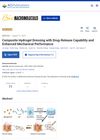 August 2025 in “Biomacromolecules”
 The hydrogel dressing improves wound healing, offers long-lasting antibacterial effects, and enhances patient comfort.
Chirality influences the structure, strength, and biological uses of peptide-based hydrogels.