Search
for
Sort by
Research
180-210 / 1000+ results
research Characterization of nonkeratinous proteins extracted from human hair by permanet wave lotion.
Permanent wave lotion can extract proteins from hair, especially when pH is higher, and repeated treatments or bleaching can damage hair.
research The Viscoelastic Properties of Chemically Modified alpha-Keratins in Human Hair
Chemical modifications can alter hair's stability and flexibility, with hydrophobic interactions helping maintain structure in humid conditions.
research Silicones as conditioning agents in shampoos
Silicones in shampoos make hair smoother, easier to manage, and reduce friction.
research Preparation and characterization of keratin-based biocomposite hydrogels prepared by electron beam irradiation
Keratin-based hydrogels from human hair and wool are promising for wound dressings and are more eco-friendly.
research Skin Penetration and Permeation Properties of Transcutol® in Complex Formulations
Transcutol® helps drugs penetrate the skin more effectively in various formulations.

research PEO-b-PCL grafted niosomes: The cooperativilty of amphiphilic components and their properties in vitro and in vivo
The new drug delivery systems made with surfactants and block polymers are stable and not toxic.
research Dyeing behaviours of amino heterocyclic compounds as blue oxidative hair dye precursors applied to keratin fibres
1,2,3,4-tetrahydroquinoline compounds are great for stable, pure blue hair dye.
research Water-Soluble Polymers in Hair Care
Alkaline hair relaxers damage hair, but cationic and non-ionic polymers can help reduce this damage.
research Intermolecular disulfide cross-linked structural change induced by permanent wave treatment of human hair with thioglycolic acid.
Permanent wave treatment with thioglycolic acid changes hair structure by altering disulfide bonds.
research Development and Evaluation of a Novel Fish-Derived Protein Peptide Conditioner Formulated with Pneumatophorus japonicus Heads Peptides
The new fish peptide conditioner significantly improves and repairs damaged hair better than a commercial wheat protein conditioner.
research Hollow polydopamine nanoparticles loading with peptide RL-QN15: a new pro-regenerative therapeutic agent for skin wounds
HPDAlR nanoparticles greatly improve skin wound healing without toxicity.
research Editorial
research New method of dyeing keratin fibers using poly(ethylene imine) and its coloring mechanism
A new method using poly(ethylene imine) improves hair dyeing at lower temperatures with better color retention.
research A Facile and Biocompatible Hydrogel Based on Oxidized Brachybotrys paridiformis Polysaccharide for Enhanced Wound Healing
The hydrogel significantly speeds up wound healing and improves skin recovery.
research Innovative Method for the Analysis of Dexpanthenol in Hair Care Products
New method quickly and accurately measures dexpanthenol in hair products.
research A Trilayer Dressing with Self-Pumping and pH Monitoring Properties for Promoting Abdominal Wall Defect Repair
The new wound dressing helps heal abdominal wall defects faster by improving the wound environment.
research Poly(γ-Glutamic Acid)/Chitosan Hydrogel Nanoparticles For Effective Preservation And Delivery Of Fermented Herbal Extract For Enlarging Hair Bulb And Enhancing Hair Growth
The nanoparticles improved hair growth and enlarged hair bulbs.
research Hypoxia-preconditioned ADSC exosomes encapsulated in a multifunctional dual-network hydrogel promote the healing and functional regeneration of seawater-immersed wounds
The hydrogel helps heal seawater-immersed wounds by reducing infection and inflammation.
research Penggunaan Simplex Lattice Design (SLD) dalam Optimasi HPMC dan Propilen Glikol Formula Gel Cinchonine Sebagai antibakteri Cutibacterium acnes (C.Acne)
The optimized Cinchonine gel effectively fights acne bacteria and is safe for twice-daily use.
research Effect of alpha-tocopheryl acetate, retinyl palmitate, and phytantriol on hair protection
TRP-hair essence protects hair from heat damage, maintains color, and strengthens hair.
research Fabrication and Characterization of Electrospun Membranes Based on “Poly(ε-caprolactone)”, “Poly(3-hydroxybutyrate)” and Their Blend for Tunable Drug Delivery of Curcumin
The PCL/PHB blend allows for slower, more controlled curcumin release than individual polymers.
research A proteoglycan-based topical treatment for hair greying: in vitro antioxidant and pro-melanogenic effects
PP-PTKL may help treat hair greying, but more testing is needed.
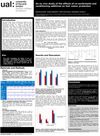
research An ex vivo study of the effects of co-surfactants and conditioning additives on hair colour protection
Certain ingredients can help protect hair color.
research Influence of anionic surfactants on coacervation with cationic guar gum for hair care applications
A balanced mix of cationic guar gum and anionic surfactants improves hair conditioning and protection.
research Interaction of polypeptides with hair in different reducing environments
Small KP peptide improves hair without reducing agents, while larger proteins need them for better results.
research 3P343 Change of cell membrane complex of a hair fiber caused by hair damage
Chemical treatments damage hair more than UV exposure, making it thinner and less flexible.
research Deposition of 18-MEA onto Damaged Hair to Form a Persistent Hydrophobicity
18-MEA and SPDA can restore damaged hair's smoothness and reduce frizz.

research Polymeric nanoparticles-embedded organogel for roxithromycin delivery to hair follicles
Scientists created a gel with nanoparticles to deliver medicine to hair follicles effectively.
research Effects of permanent waving on changes of protein and physicomorphological properties in human head hair.
Repeated digital perming with sodium thioglycolate lotion significantly damages hair protein and structure.