 116 citations
,
April 2002 in “American journal of veterinary research”
116 citations
,
April 2002 in “American journal of veterinary research” Trilostane effectively and safely treats dogs with pituitary-dependent hyperadrenocorticism, improving symptoms and adrenal gland size.
 149 citations
,
June 2002 in “Veterinary record/The veterinary record”
149 citations
,
June 2002 in “Veterinary record/The veterinary record” Trilostane effectively improved symptoms in dogs with a certain adrenal gland disorder.
16 citations
,
September 2009 in “Schweizer Archiv für Tierheilkunde” Adrenal tumors can cause high progesterone levels, mimicking symptoms of high cortisol.
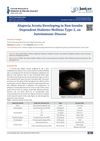 January 2019 in “Current research in diabetes & obesity journal”
 A woman with type 2 diabetes developed alopecia areata, suggesting a link between the two autoimmune conditions.
March 2020 in “The Thai Journal of Veterinary Medicine” A Thai Bangkaew dog with diabetes and pancreatic issues improved with insulin, enzymes, and vitamins.
9 citations
,
January 2015 in “Veterinary record case reports” A dog in Germany was successfully treated for a rare bacterial infection without spreading it to humans.
79 citations
,
July 2022 in “Sensors” Machine learning can effectively predict type 2 diabetes risk.
 January 2023 in “International Journal of Zoology and Animal Biology”
 Canine hypothyroidism can be linked to diabetes, requiring thorough testing for proper diagnosis.
April 2021 in “Sri Lanka Journal of Diabetes Endocrinology and Metabolism” Giant pituitary macroadenomas causing Cushing disease are rare and may need extra treatment if surgery fails.
May 2024 in “Lithuanian University of Health Sciences” Clinical signs and blood tests are not very helpful in diagnosing hyperadrenocorticism in dogs.
June 2016 in “Journal of Coastal Life Medicine” The terrier dog with pituitary-dependent hyperadrenocorticism was successfully treated with mitotane.
 October 2012 in “Semina. Ciências Agrárias”
 A Shi Tzu dog with high cortisol levels improved after increasing the dose of trilostane.
 9 citations
,
January 2007 in “Gynecological Endocrinology”
9 citations
,
January 2007 in “Gynecological Endocrinology” A woman was the first known case to have both polycystic ovary syndrome and autoimmune polyglandular syndrome type 2, suggesting a need to check for both conditions in similar patients.
2 citations
,
January 1986 in “PubMed” Spironolactone improved symptoms in women with hormonal imbalances and had few side effects.
 July 1994 in “Annals of Pharmacotherapy”
 Cromolyn sodium's effectiveness for treating asthma in children under 2 is unclear, possibly more beneficial for older children, and further research is needed.
14 citations
,
December 2017 in “Journal of Intensive Care” Lithium poisoning can cause severe health complications and requires careful monitoring.
 3 citations
,
January 2012 in “Internal Medicine”
3 citations
,
January 2012 in “Internal Medicine” A Rathke's cleft cyst caused hormonal imbalances and symptoms in a 68-year-old woman.
 57 citations
,
August 1998 in “The journal of small animal practice/Journal of small animal practice”
57 citations
,
August 1998 in “The journal of small animal practice/Journal of small animal practice” Malassezia-associated dermatitis can cause itching in cats with feline paraneoplastic alopecia.
 1 citations
,
February 2025 in “South Asian Research Journal of Pharmaceutical Sciences”
1 citations
,
February 2025 in “South Asian Research Journal of Pharmaceutical Sciences” Eclipta alba flavonoids may help treat diabetes by effectively inhibiting Aldose reductase.
 4 citations
,
July 2015 in “Journal of Feline Medicine and Surgery Open Reports”
4 citations
,
July 2015 in “Journal of Feline Medicine and Surgery Open Reports” A cat with hair loss and illness was found to have cancer spread from its colon.
 1 citations
,
January 2006 in “Elsevier eBooks”
1 citations
,
January 2006 in “Elsevier eBooks” Cats lose fur due to various reasons, including allergies, infections, genetics, hormones, diet, cancer, stress, and some conditions are treatable while others are not.
 3 citations
,
November 2023 in “Journal of Computer Science and Engineering (JCSE)”
3 citations
,
November 2023 in “Journal of Computer Science and Engineering (JCSE)” The method accurately detects diabetes with 94% effectiveness, reducing misdiagnosis risk.
 January 2012 in “The Japanese Journal of Veterinary Dermatology”
 The dog's hair loss healed on its own without treatment.
 April 2008 in “Companion Animal”
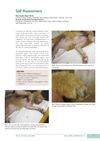
 The cat's skin condition was linked to cancer and did not improve with treatment, leading to a poor outcome.
 November 2022 in “Journal of the Endocrine Society”
 Immunotherapy for cancer caused a patient to develop a condition affecting hormone production, requiring ongoing hormone replacement therapy.
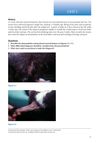 May 2019 in “Small Animal Dermatology”
 The cat had a rare condition linked to cancer, leading to its euthanasia.
A 9-year-old girl developed type 1 diabetes and alopecia after being treated for a rare kidney disease.
 44 citations
,
May 2006 in “The Journal of the American Animal Hospital Association/Journal of the American Animal Hospital Association”
44 citations
,
May 2006 in “The Journal of the American Animal Hospital Association/Journal of the American Animal Hospital Association” Both treatments for pemphigus foliaceus in dogs are effective, but combination therapy has more side effects.
 32 citations
,
October 2003
32 citations
,
October 2003 Spironolactone is better than placebo for reducing excessive hair growth in women, but its effectiveness for acne is unclear due to small study sizes.
 27 citations
,
December 2016 in “Dermatology and Therapy”
27 citations
,
December 2016 in “Dermatology and Therapy” Certain skin conditions can indicate insulin resistance and should prompt lifestyle changes and medical treatment to manage underlying health issues.