 62 citations
,
March 2015 in “PLOS ONE”
62 citations
,
March 2015 in “PLOS ONE” Pre-seeding scaffolds with fibroblasts improves skin wound healing.
 2 citations
,
January 2023 in “Redox Report”
2 citations
,
January 2023 in “Redox Report” Estradiol may protect ear cells from hearing loss caused by a chemotherapy drug by activating a protective pathway.
2 citations
,
August 2025 in “Pharmaceutics” PN hydrates skin; PDRN heals and regenerates skin and hair.
26 citations
,
January 2014 in “ALTEX” Pesticides can cause reproductive and adrenal health issues.
 October 2023 in “Journal of the Endocrine Society”
 Estetrol helps keep scalp hair in the growth phase longer and improves hair follicle health by affecting the hair root and increasing stem cells.
 13 citations
,
January 2021 in “Scientific Reports”
13 citations
,
January 2021 in “Scientific Reports” Pannexin 3 helps skin and hair growth by controlling a protein called Epiprofin.
1 citations
,
January 2023 in “Chemical Engineering Journal” 1 citations
,
November 2023 in “Journal of Spinal Cord Medicine” IT PEP may help recovery after spinal cord injury, but more research is needed.
July 2024 in “Journal of Investigative Dermatology” ATR12-351 ointment safely delivers LEKTI protein to the skin, reducing enzyme activity in Netherton syndrome.
5 citations
,
April 2025 in “Journal of Functional Biomaterials” A-PRF+ improves bone healing and stability in oral surgery.
 57 citations
,
June 2021 in “Polymers”
57 citations
,
June 2021 in “Polymers” Photothermal hydrogels are promising for infection control and tissue repair, and combining them with other treatments could improve results and lower costs.
 9 citations
,
May 2019 in “Journal of dermatological treatment”
9 citations
,
May 2019 in “Journal of dermatological treatment” Apremilast helps regrow hair in hard-to-treat alopecia areata.
 April 2026 in “Zenodo (CERN European Organization for Nuclear Research)”
 Post-exposure syndromes are persistent conditions caused by past exposures, needing unique interventions.
June 2026 in “Materials Today Communications” The hydrogel speeds up wound healing with electrical stimulation.
July 2021 in “Plastic and reconstructive surgery. Global open” Verteporfin treatment in mice led to complete skin healing without scarring.
 1 citations
,
October 2025 in “Nano Research”
1 citations
,
October 2025 in “Nano Research” A new microneedle patch effectively treats atopic dermatitis by reducing skin stress and restoring immune balance.
 1 citations
,
February 2023 in “International journal of research - granthaalayah”
1 citations
,
February 2023 in “International journal of research - granthaalayah” Electromagnetic energy from wound dressing paste can disrupt skin lipid droplets, possibly affecting cancer development.
 April 2018 in “Journal of Investigative Dermatology”
 The new protocol using Cellutome™ and RCM safely assesses wound healing in detail.
6 citations
,
January 1997 in “Medical Mycology” The fungus Piedraia hortae damages hair by slowly breaking down its layers, leading to long-lasting infection.
July 2023 in “AESTHETIC OROFACIAL SCIENCE” PDO threads improve skin firmness and elasticity with minimal recovery time.
 November 2022 in “Journal of Investigative Dermatology”
 Apocynin may protect skin cells from aging and damage caused by UVB light.
21 citations
,
December 2015 in “European journal of cell biology” Tight junctions create a barrier in pig hair follicles that controls what can enter the skin.
5 citations
,
January 2024 in “Fermentation” The new placenta-derived liquid improves skin moisture better than traditional extracts.
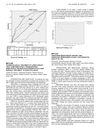 April 2017 in “The Journal of Urology”
 Finasteride before TURP reduces blood loss and improves early postoperative quality of life.
19 citations
,
December 1999 in “International Journal of Dermatology” Dihydroxyacetone in self-tanning lotion helped reduce sun-related skin issues in a woman with variegate porphyria.
14 citations
,
August 2014 in “The FASEB Journal” CAP1/Prss8 does not activate PAR2 or inhibit PN-1.
5 citations
,
October 2021 in “Journal of the American Academy of Dermatology” PRAME helps distinguish between benign and malignant skin cells in most cases.
October 2022 in “Hair Transplantation” Temporary scalp trichopigmentation creates a shaved hair look on the scalp using pigments that fade over time.
January 2016 in “Refubium (Universitätsbibliothek der Freien Universität Berlin)” CAP7.1 is generally safe at 200 mg/m²/day, but can cause fatigue, nausea, hair loss, fever, and blood-related issues.
60 citations
,
August 1969 in “British Journal of Dermatology” Germicides mostly stay on the skin's surface, but some penetrate deeper depending on the product used.