21 citations
,
December 2006 in “Archives of dermatology” A kidney transplant patient developed pink skin bumps with spiny centers on her face and limbs.
87 citations
,
January 1999 in “British Journal of Dermatology” Trichoblastic fibroma and basal cell carcinoma are similar but different from trichoepithelioma.
 3 citations
,
March 2021 in “Cureus”
3 citations
,
March 2021 in “Cureus” A rare combination of halo nevi, nonsegmental vitiligo, and early gray hair can occur together.
37 citations
,
May 1998 in “Journal of Dermatological Science” Basal cell carcinoma shows keratin patterns similar to undifferentiated hair follicle cells.
September 2020 in “Oral surgery, oral medicine, oral pathology and oral radiology” The report shows that a rare benign tumor was successfully removed from inside the mouth to avoid scarring on the face.
 4 citations
,
September 2010 in “Journal of Dermatological Science”
4 citations
,
September 2010 in “Journal of Dermatological Science” A new gene location for Keratosis follicularis squamosa was found on chromosome 7p14.3-7p12.1.
June 2018 in “Chinese Journal of Dermatology” Connective tissue nevi have distinct features, and reflectance confocal microscopy is useful for early diagnosis.
 April 2024 in “Dermatovenerologiâ, kosmetologiâ”
 Actinic keratosis is a sun-induced skin condition that can potentially turn into skin cancer and requires various treatments to prevent this.
8 citations
,
January 2013 in “Australasian journal of dermatology” Trichodysplasia spinulosa is a rare skin condition caused by a virus, treatable with antiviral medication.
21 citations
,
June 1992 in “Pediatric Dermatology” Eruptive vellus hair cysts are often underreported and need histologic confirmation for accurate diagnosis.
49 citations
,
July 2006 in “British Journal of Dermatology” Calcifying epithelioma cells can differentiate into hair cortex and outer root sheath.
 20 citations
,
February 2016 in “American Journal of Pathology”
20 citations
,
February 2016 in “American Journal of Pathology” The genes OVOL1 and OVOL2 are important for hair growth and may be involved in a type of skin tumor.
 January 2024 in “International Journal of Advanced Research”
 Topical 6% salicylic acid effectively reduced skin plaques in a patient with wooly hair and palmoplantar keratoderma.
 1 citations
,
March 2024 in “Ophthalmic Plastic and Reconstructive Surgery”
1 citations
,
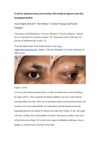
March 2024 in “Ophthalmic Plastic and Reconstructive Surgery” A pilomatrixoma in the eyebrow can cause hair loss and skin lightening.
January 2000 in “Acta Academiae Medicine Militaris Tertiae” Different keratins in hair follicles can help identify hair tumor origins.
 6 citations
,
July 2011 in “Journal of Plastic Reconstructive and Aesthetic Surgery”
6 citations
,
July 2011 in “Journal of Plastic Reconstructive and Aesthetic Surgery” Eyebrow reconstruction using hair follicle grafts was successful in a man with a benign hereditary disorder affecting his eyebrows.
 2 citations
,
July 2018 in “Our Dermatology Online”
2 citations
,
July 2018 in “Our Dermatology Online” Calcipotriol cream reduced skin thickening and itching in a rare nipple condition.
March 2009 in “Encyclopedia of Life Sciences” Mutations in keratin genes cause skin disorders, but new treatments show promise.
87 citations
,
November 2002 in “Journal of Investigative Dermatology”  September 2025 in “Archives of Dermatological Research”
 Basal cell carcinoma is more common than squamous cell carcinoma on the scalp, especially along the part line.
8 citations
,
July 2014 in “American Journal of Dermatopathology” Cutaneous keratocyst and steatocystoma should be called "sebaceous duct cyst" due to their similarities.
October 2025 in “Portuguese Journal of Dermatology and Venereology” Accurate diagnosis of facial skin tumors requires detailed analysis to distinguish between benign and malignant types.
August 2024 in “Clinical Case Reports” Pilomatricoma is a rare, benign skin tumor that requires surgical removal for best results.
 2 citations
,
March 2023 in “JAAD case reports”
2 citations
,
March 2023 in “JAAD case reports” Hair repigmentation can indicate malignancy and should be investigated.
185 citations
,
December 2010 in “Archives of Biochemistry and Biophysics” Keratin gene mutations cause various skin and hair disorders, but new research offers hope for future treatments.
119 citations
,
January 2000 in “British Journal of Dermatology” Different parts of the nail express different keratins, showing unique patterns of differentiation.
 2 citations
,
August 2013 in “British Journal of Dermatology”
2 citations
,
August 2013 in “British Journal of Dermatology” Chemotherapy improved a girl's painful foot condition linked to pachyonychia congenita.
 June 2024 in “Annals of Medicine and Surgery”
 A 23-year-old Syrian woman has two rare hair disorders, and avoiding hair treatments plus using vitamins and minoxidil may help.
 32 citations
,
April 1994 in “Journal of the American Academy of Dermatology”
32 citations
,
April 1994 in “Journal of the American Academy of Dermatology” High androgen levels and genetic factors likely cause Becker's nevus and related symptoms.
 September 2025 in “Annals of Plastic Surgery”
 Inverted follicular keratosis on the eyelid can be cured with surgery and has a great prognosis.