25 citations
,
November 2022 in “Frontiers in Bioengineering and Biotechnology” Composite biodegradable biomaterials can improve diabetic wound healing but need more development for clinical use.
8 citations
,
September 2024 in “International Journal of Molecular Sciences” Polymers can be designed to mimic natural cell environments for medical uses.
5 citations
,
May 2025 in “Pharmaceutics” Sericin from silk cocoons could be a promising drug delivery tool, but stability and consistency need improvement.
61 citations
,
September 2024 in “Micromachines” Electrospun nanofiber membranes are promising for non-invasive medical uses like tissue repair and health monitoring.
 46 citations
,
January 2020 in “Research”
46 citations
,
January 2020 in “Research” Microneedle technology has advanced for painless drug delivery and sensitive detection but faces a gap between experimental use and clinical needs.
19 citations
,
January 2023 in “ACS Omega” SEF cryogels effectively kill bacteria, stop bleeding, and speed up wound healing.
18 citations
,
February 2024 in “ACS Polymers Au” Silk fibroin shows promise for wound care but faces challenges in becoming widely available.
15 citations
,
August 2023 in “Journal of Nanobiotechnology” Nanotechnology could improve scar treatment but needs more development.
9 citations
,
October 2024 in “Heliyon” Exosomes show promise for healing diabetic foot ulcers.
8 citations
,
November 2023 in “Frontiers in Bioengineering and Biotechnology” Combining metals and herbs in microneedles can improve wound healing.
2 citations
,
October 2025 in “Chinese Medicine” Berberine delivery systems improve wound healing by enhancing bioavailability, reducing inflammation, and promoting tissue regeneration.
1 citations
,
December 2025 in “Inorganics” Silver nanoparticles help heal wounds by preventing infections and promoting tissue repair.

Polydopamine is promising for personalized medicine and biomedical technology due to its strong adhesion and biocompatibility.
September 2025 in “Journal of Polymer Science” Functionalized bacterial cellulose can improve medical tissue engineering.
July 2025 in “Nano Research” Nanotechnology can improve tissue healing by controlling immune responses.
 28 citations
,
September 2020 in “Pharmaceutics”
28 citations
,
September 2020 in “Pharmaceutics” 3D-printed mesoporous scaffolds show promise for personalized drug delivery with controlled release.
 12 citations
,
April 2025 in “Discover Pharmaceutical Sciences”
12 citations
,
April 2025 in “Discover Pharmaceutical Sciences” Microneedle patches offer painless, effective drug delivery and are suitable for all ages.
 1 citations
,
June 2025 in “Journal of Materials Science Materials in Medicine”
1 citations
,
June 2025 in “Journal of Materials Science Materials in Medicine” AgVO₃-HAp/GO@PCL scaffolds improve wound healing and tissue regeneration effectively.
 June 2026 in “Gümüşhane Üniversitesi Fen Bilimleri Enstitüsü Dergisi”
 PVA/agar films with Achillea millefolium essential oil are promising for wound dressings due to good strength and selective antibacterial effects.
 January 2026 in “Nano-Micro Letters”
 4D scaffolds made with melt electrowriting can change shape for use in medicine.
 November 2025 in “Communications Materials”
 Pomelo peel can be turned into materials that help stop bleeding and heal wounds better than commercial dressings.
 March 2025 in “Dental Journal (Majalah Kedokteran Gigi)”
 The sponge effectively controls bleeding and prevents infection after tooth extraction.
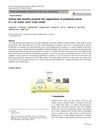 36 citations
,
July 2019 in “Journal of Materials Science Materials in Medicine”
36 citations
,
July 2019 in “Journal of Materials Science Materials in Medicine” Human hair keratin helps repair nerve damage in rats.
 4 citations
,
July 2016 in “Journal of cosmetic dermatology”
4 citations
,
July 2016 in “Journal of cosmetic dermatology” Dermatologists should use hair relaxers carefully to avoid hair and scalp damage, following specific guidelines for application and maintenance.
 66 citations
,
February 2010 in “CrystEngComm”
66 citations
,
February 2010 in “CrystEngComm” Made 8 minoxidil samples; 1 cocrystal, 7 salts formed.
 24 citations
,
January 2019 in “Science China Life Sciences”
24 citations
,
January 2019 in “Science China Life Sciences” Chitosan/LiCl composite scaffolds help heal deep skin wounds better.
 4 citations
,
December 2020 in “Scientific Reports”
4 citations
,
December 2020 in “Scientific Reports” The plant extract mixture improves skin health by reducing inflammation, boosting collagen, and supporting anti-aging.
 355 citations
,
August 2013 in “Acta Biomaterialia”
355 citations
,
August 2013 in “Acta Biomaterialia” The nanofibers with two growth factors improved wound healing by supporting structure, preventing infection, and aiding tissue growth.
 101 citations
,
July 2021 in “Nature Communications”
101 citations
,
July 2021 in “Nature Communications” 4D polycarbonate scaffolds show promise for soft tissue repair due to their biocompatibility, shape memory, and minimal immune response.
 39 citations
,
April 2019 in “Journal of Biomaterials Science, Polymer Edition”
39 citations
,
April 2019 in “Journal of Biomaterials Science, Polymer Edition” RADA16 is a promising material for tissue repair and regenerative medicine but needs improvement in strength and cost.