 May 2002 in “British Journal of Dermatology”
 A pregnant woman's skin condition improved after giving birth, possibly due to high estrogen levels during pregnancy.
 2 citations
,
January 2020
2 citations
,
January 2020 Tailored scar treatments are needed for different body areas to improve appearance and function.
 December 2025 in “Cureus”
 Avoiding friction and using topical treatments can significantly improve rough skin caused by repeated rubbing.
 43 citations
,
November 2018 in “Nature Communications”
43 citations
,
November 2018 in “Nature Communications” Genetic variations affecting skin structure play a key role in severe acne.
January 2013 in “Xiandai shengwu yixue jinzhan” Finasteride effectively treats acne, especially severe cases, with low recurrence rates.
 January 2024 in “Dermatologic therapy”
 AKN is a chronic scalp condition in African-descended males, treated with topicals, antibiotics, steroids, and sometimes surgery or laser.
 29 citations
,
March 2019 in “British Journal of Dermatology”
29 citations
,
March 2019 in “British Journal of Dermatology” Acne is significantly influenced by genetics, and understanding its genetic basis could lead to better, targeted treatments.
December 2005 in “TSpace” Diode laser treatment effectively clears acne keloidalis nuchae.

Traumatic anserine folliculosis is a harmless skin condition in young males that needs correct diagnosis to avoid unnecessary treatments.
July 2025 in “Journal of Investigative Dermatology” Scarring alopecia involves increased immune cells and specific gene changes near damaged hair follicles.
 18 citations
,
October 2016 in “Clinics in Dermatology”
18 citations
,
October 2016 in “Clinics in Dermatology” The document talks about hard-to-treat and rare acne types, their connection with other health issues, the importance of correct diagnosis, and the challenges in managing them.
June 2023 in “Lithuanian University of Health Sciences” Acne tarda is more common in women and those with darker skin, often linked to hormonal imbalances, and requires tailored treatment based on severity.
 August 2023 in “Journal of The American Academy of Dermatology”
 Early treatment is key for permanent hair loss disorders, with options ranging from medications and phototherapy to immunomodulators and antibiotics, depending on severity and type.
February 2006 in “Expert review of dermatology” Acne is caused by hormones, genetics, skin cell buildup, oil production, bacteria, and inflammation.
17 citations
,
January 2016 in “Advances in Dermatology and Allergology” Isotretinoin may reduce inflammation by increasing adiponectin and leptin levels.
 January 2024 in “Archives of pathology & laboratory medicine”
 New findings may help diagnose and understand scarring alopecia better.
47 citations
,
April 2021 in “BMC Medical Genomics” Certain gene variants can influence acne risk and severity.
 19 citations
,
November 2012 in “Journal of Dermatological Treatment”
19 citations
,
November 2012 in “Journal of Dermatological Treatment” Isotretinoin improves severe acne without changing androgen or insulin levels but may increase body weight and triglycerides.
28 citations
,
July 2004 in “Clinical and Experimental Dermatology” Psoriasis can cause rare vulval scarring.
 8 citations
,
April 2022 in “Burns”
8 citations
,
April 2022 in “Burns” Alhydran and DermaCress moisturizers are more effective and cost-efficient for scar hydration than silicone gel.
4 citations
,
December 1994 in “PubMed” A woman’s skin bumps healed almost completely with tretinoin cream after a leg infection.
 October 2025 in “Dermatology Practical & Conceptual”
 Dermatoscopy helps track scar changes and guide treatment.
 17 citations
,
June 2010 in “Journal of Cosmetic Dermatology”
17 citations
,
June 2010 in “Journal of Cosmetic Dermatology” Many women with hard-to-treat acne also have PCOS.
332 citations
,
June 1994 in “Archives of Dermatology” Postmenopausal frontal fibrosing alopecia may be a unique condition linked to postmenopausal changes.
 9 citations
,
July 2017 in “Dermatologic Therapy”
9 citations
,
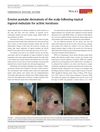
July 2017 in “Dermatologic Therapy” Two elderly men developed scalp inflammation after using a gel for skin lesions, which healed with treatment except for some permanent hair loss.
 37 citations
,
June 2011 in “Journal of The American Academy of Dermatology”
37 citations
,
June 2011 in “Journal of The American Academy of Dermatology” Loss of sebaceous glands and inflammation may contribute to the development of scarring alopecia.
 1 citations
,
January 2001 in “Dermatologic Surgery”
1 citations
,
January 2001 in “Dermatologic Surgery” Pulsed dye laser and hydrogel dressings effectively treat hypertrophic scars.
 April 2019 in “Journal of Investigative Dermatology”
 Fractional photothermolysis helps wounds heal with minimal scarring.
 January 2018 in “Advances in Dermatology and Allergology”
 Treatment with dapsone, topical corticosteroids, and antibiotics improved the man's skin conditions.
 June 2026 in “International Journal of Innovative Technologies in Social Science”
 Clascoterone cream is a safer, effective acne treatment with fewer side effects.