 36 citations
,
April 1990 in “Dermatologic Clinics”
36 citations
,
April 1990 in “Dermatologic Clinics” Most pregnant women experience skin changes like darkening and stretch marks, and some may have skin conditions that usually get better after giving birth.
Two new mite species were found in a monkey's hair follicles, leading to a new genus and family proposal.
2 citations
,
January 2025 in “JBRA” Age is more important than BMI for IVF success in women with infertility and PCOS.
 724 citations
,
April 2004 in “Lancet Oncology”
724 citations
,
April 2004 in “Lancet Oncology” Chemotherapy in the first trimester of pregnancy is risky, but in the second and third trimesters, it's generally safe with careful drug selection and timing.
13 citations
,
October 2006 in “Pediatrics in review” Early puberty is more common in girls and African-American children, possibly due to nutrition, obesity, stress, and environmental factors, and is treated with hormone therapy.
June 2020 in “Zenodo (CERN European Organization for Nuclear Research)” Robertsonian translocation can cause recurrent miscarriages.
June 2025 in “British Journal of Dermatology” Topical minoxidil may help improve hair growth in rare congenital hypotrichosis.
April 2025 in “Australasian Journal of Dermatology” Daughters with affected mothers may develop frontal fibrosing alopecia early.
 March 2026 in “Zenodo (CERN European Organization for Nuclear Research)”
 Hair loss after childbirth usually reverses in a few months.
 15 citations
,
May 2014 in “Journal of dermatology”
15 citations
,
May 2014 in “Journal of dermatology” Zouboulis syndrome is a rare condition that helps diagnose monosomy 18p early.
 January 2023 in “Revista Paulista de Pediatria”
 A Brazilian male with IFAP syndrome has a unique genetic variant causing his condition.
January 2024 in “Journal of Health Study and Medicine” Platelet-rich plasma helps heal and repair tissues, especially in gynecology and obstetrics.

A rare skin condition in a 17-year-old was diagnosed late, stressing the need for careful evaluation and genetic testing.
 88 citations
,
May 2012 in “Human Reproduction Update”
88 citations
,
May 2012 in “Human Reproduction Update” Women with PCOS may take longer to get pregnant but can have a normal family size, and should manage their overall health to reduce long-term health risks.
 February 2013 in “Journal of The American Academy of Dermatology”
 Oral propranolol successfully treated a baby's skin growth and ulceration linked to PELVIS syndrome.
15 citations
,
January 2020 in “ILAR Journal” Nonhuman primates are valuable in research but their natural health variations can complicate study results.
 42 citations
,
September 2000 in “British Journal of Dermatology”
42 citations
,
September 2000 in “British Journal of Dermatology” Some children are born with unusually short, fine hair because their hair growth phase is short, but this often gets better by itself during puberty.
 August 2023 in “Revista Contemporânea”
 Early life factors, including a mother's health and environment, can affect the chances of developing polycystic ovary syndrome later in life.
 August 2021 in “Clinical and Experimental Dermatology”
 Children under 10 can experience hair thinning without hormone issues, and it may improve with treatment.
19 citations
,
October 1996 in “International Journal of Dermatology” Pseudopelade is a rare inherited hair loss condition with a genetic cause.
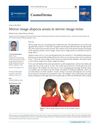
Mirror-image twins can have alopecia areata on opposite sides of their heads.
14 citations
,
June 1989 in “Journal of dermatology” Three siblings had both Vohwinkel's disease and congenital alopecia, with no effective treatment.
April 2011 in “The Journal of Urology” Finasteride effectively reduced priapism episodes in children with sickle cell disease without side effects.
September 1973 in “Primates” 6 citations
,
April 2021 in “Journal of Mind and Medical Sciences” Most women preferred and recommended vaginal birth over Caesarean.
1 citations
,
February 2023 in “Animals”  September 2023 in “Journal of The American Academy of Dermatology”
 Social media discussions reveal that postpartum hair loss is a common concern among new mothers.
 30 citations
,
May 2005 in “Pediatric dermatology”
30 citations
,
May 2005 in “Pediatric dermatology” Some families have a genetic condition where they are born with irregular scalp defects.
September 2006 in “Fertility and Sterility” Heavier birth weight may increase the risk of early hair graying in women.