37 citations
,
August 2024 in “Current Issues in Molecular Biology” Keratins 6, 16, and 17 increase in damaged or diseased skin and may help diagnose skin issues.
16 citations
,
May 2006 in “PubMed” Alpha-melanocyte-stimulating hormone helps manage skin inflammation and protect against UV damage.
11 citations
,
August 2021 in “Stem Cell Research & Therapy” Pimecrolimus reduces the effectiveness of stem cell therapy for atopic dermatitis.
7 citations
,
May 2025 in “Journal of Biomedical Science” Keratin 6A increases skin inflammation, suggesting it could be a target for treating certain skin diseases.
6 citations
,
November 2023 in “Chinese Medicine” Xinyang Tablet improves heart function in sepsis by reducing inflammation.
 3 citations
,
October 2023 in “Military Medical Research/Military medical research”
3 citations
,
October 2023 in “Military Medical Research/Military medical research” Regulatory T cells help heal skin and grow hair, and their absence can lead to healing issues and hair loss.
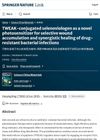 March 2026 in “Science China Materials”
 SeV-Tp speeds up healing of drug-resistant infections by targeting wounds and killing bacteria with light activation.
 January 2026 in “Dermatology and Therapy”
 General anesthesia might be linked to certain types of hair loss, but more research is needed.
January 2026 in “Aging and Disease” The α-MSH-MC1R-cAMP pathway does not protect skin cells from UVA damage.
August 2025 in “Materials Today Bio” The modified nanofibrous dressings effectively heal infected wounds by reducing bacteria and inflammation.
 January 2024 in “Dermatologic therapy”
 Tofacitinib is a safe treatment for hair loss in children, but long-term use may be needed for best results.
 May 2022 in “Liver transplantation”
 The document explains how the immune system reacts to organ transplants and the treatments used to prevent rejection.
10 citations
,
May 2025 in “Cell Biomaterials” New technologies help us understand how the body reacts to medical implants, which can improve implant performance.
8 citations
,
January 2025 in “JADA Foundational Science” Photobiomodulation therapy can reduce pain and inflammation and help heal tissues, but more research is needed to improve its effectiveness and safety.
August 2025 in “Journal of Clinical Medicine” Skin diseases alter the skin's microbiome, and prebiotic treatments might help.
 May 2025 in “Frontiers in Immunology”
 Autoimmune diseases with high tissue recovery often relapse and remit, while those with low recovery rarely remit.
January 2025 in “International Journal of Molecular Sciences” Fenugreek extract may help treat benign prostatic hyperplasia.

Enterococcus faecalis delays wound healing by disrupting cell functions and creating an anti-inflammatory environment.
 May 2026 in “Journal of the Egyptian Womenʼs Dermatologic Society”
 Intralesional methotrexate effectively treats patchy alopecia areata by reducing inflammation.
November 2023 in “Journal of Investigative Dermatology” Highly active but fewer CD14+CD16- monocytes are found in Alopecia Areata patients, regardless of severity.
14 citations
,
November 2024 in “International Journal of Molecular Sciences” YAP and TAZ proteins control skin cell growth and repair.
7 citations
,
October 2010 in “Medical Hypotheses” Alopecia areata may involve stress-related changes affecting hormone receptors, leading to reduced cortisol production.
3 citations
,
January 2025 in “Burns & Trauma” Glucose metabolism is crucial for wound healing but can delay healing in chronic wounds due to increased stress and inflammation.
 3 citations
,
September 2023 in “Advanced science”
3 citations
,
September 2023 in “Advanced science” A new vaccine using a porous scaffold boosts immunity and protects against the flu better than traditional methods.
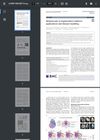 April 2024 in “Journal of translational medicine”
 Melanocytes are important for normal body functions and have potential uses in regenerative medicine and disease treatment.
 489 citations
,
November 2021 in “Signal Transduction and Targeted Therapy”
489 citations
,
November 2021 in “Signal Transduction and Targeted Therapy” The JAK/STAT pathway is important in cell processes and disease, and JAK inhibitors are promising for treating related conditions.
248 citations
,
August 2015 in “Pharmacological Research” Vaccines are generally safe, but rare autoimmune reactions can occur, often influenced by genetics.
90 citations
,
October 2023 in “Advanced Drug Delivery Reviews” Controlling inflammation can help heal diabetic foot ulcers.
84 citations
,
February 2015 in “Experimental Dermatology” PPARγ is crucial for skin health but can have both beneficial and harmful effects.
82 citations
,
May 2010 in “PLoS neglected tropical diseases” Secondary syphilis in Cali, Colombia, shows high Treponema pallidum presence and challenges in early diagnosis, needing better public health strategies.