May 2026 in “Cell Reports Medicine” FR-1 reduces skin scarring and promotes healing without harmful effects.

Plant-derived exosomes show promise for healing skin wounds but need more research and trials.
 March 2026 in “Preprints.org”
 The combined stem cell secretome in the skin care product effectively reduces inflammation and promotes tissue regeneration.
 March 2026 in “International Journal of Molecular Sciences”
 A temporary capillary cell type helps skin repair after radiation by promoting blood vessel growth.
 March 2026 in “Journal of Nanobiotechnology”
 A new microneedle treatment can effectively repigment skin in vitiligo.
 February 2026 in “Nature Communications”
 A specific group of immune and skin cells may cause chronic inflammation in atopic dermatitis.
 February 2026 in “Cosmetics”
 These supernatants may help reduce hair loss by protecting hair cells.
 February 2026 in “International Journal of Molecular Sciences”
 Removing Lrig1-positive cells in mice leads to temporary loss of sebaceous glands.
February 2026 in “American Journal Of Pathology” Skin organoids can mimic human skin responses to injury and inflammation, making them useful for studying skin diseases and testing treatments.
 February 2026 in “International Journal of Molecular Sciences”
 3-Hydroxypropionic acid may help treat hair loss by promoting hair growth in cells.
January 2026 in “Burns & Trauma” NLRP3 helps control inflammation and repair in wound healing, making it a potential target for treatment.
 January 2026 in “Journal of Applied Pharmaceutical Science”
 Selaginella doederleinii extract shows potential for cervical cancer treatment but needs more research.
 December 2025 in “Cell Communication and Signaling”
 Minoxidil may help treat myelodysplastic syndrome without harming normal blood cell production.
December 2025 in “Pharmaceutics” Araliadiol may help reduce skin aging and inflammation without killing cells.
November 2025 in “Journal of Investigative Dermatology” Genetic variants in specific genes cause central centrifugal cicatricial alopecia.
October 2025 in “International Journal of Molecular Sciences” Rebamipide may help regrow hair by activating hair follicle stem cells.
October 2025 in “Burns & Trauma” Engineered probiotics can help heal wounds faster, especially in diabetic foot ulcers.
September 2025 in “International Journal of Molecular Sciences” Hangeshashinto's natural products may help treat stomatitis by reducing inflammation and cytotoxicity.
August 2025 in “International Journal of Molecular Sciences” Osmanthus fragrans var. aurantiacus Makino may help treat inflammation due to its antioxidative and anti-inflammatory properties.
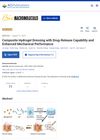 August 2025 in “Biomacromolecules”
 The hydrogel dressing improves wound healing, offers long-lasting antibacterial effects, and enhances patient comfort.
Periplaneta americana extract promotes hair growth and is safe for treating hair loss.
 May 2025 in “International Journal of Molecular Sciences”
 DHHB from Platycladus orientalis L. promotes hair growth and could be a natural alternative to current treatments.

New hair regrowth therapies show promise but need more research.
 March 2025 in “Human Genetics and Genomics Advances”
 Genetic predictions of baldness in Europeans don't apply well to African men.
 February 2025 in “Stem Cell Research & Therapy”
 Hair follicle regeneration is advancing but still faces challenges in stability and clinical use.
 February 2025 in “Science Advances”
 Wnt signaling helps regenerate hair follicles by affecting how skin cells sense and respond to mechanical forces.
Current hair regeneration methods show promise but face challenges in maintaining cell effectiveness and creating the right environment for hair growth.
 October 2024 in “Biology”
 Dermal papilla cells can help regrow hair and are promising for hair loss treatments.
 September 2024 in “Journal of Inflammation Research”
 Type 1 Diabetes prevents hair growth by causing cell death in hair follicles.
May 2024 in “Archives of Dermatological Research” TAT-GILZ peptide promotes hair growth by boosting stem cell activity.