 February 2026 in “Frontiers in Medical Technology”
 Keratinocyte stem cells are crucial for skin renewal and have potential in wound healing and tissue regeneration.
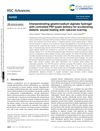 January 2026 in “RSC Advances”
 The hydrogel speeds up diabetic wound healing and reduces scarring.
 December 2025 in “International Journal of Newgen Research in Pharmacy & Healthcare”
 Global standardization and stricter regulations are needed for safer herbal hair products and better international trade.
 October 2025 in “International Journal of Nutrology”
 Improving gut health can enhance skin health and aid in treating skin diseases.

Cellular flows and tissue mechanics guide feather follicle formation in birds.
 September 2025 in “OBM Genetics”
 Early diagnosis and comprehensive management improve life quality for Netherton syndrome patients.
 June 2025 in “Asia-Pacific Journal of Molecular Biology and Biotechnology”
 Papain from papaya may help treat cardiovascular diseases by breaking down fibrin.
 June 2025 in “Mutiara Jurnal Penelitian dan Karya Ilmiah”
 Moringa leaf extract tonic may reduce hair loss.
 June 2025 in “Cermin Dunia Kedokteran”
 Early detection and prevention of suicide risk in teens is crucial, involving healthcare awareness, family support, and cross-sector collaboration.
The model explains how mammal ear hair cells respond to sound and adapt.
 January 2025 in “Institutional Repositories DataBase (IRDB)”
 Maslinic acid from olive extracts promotes hair growth like minoxidil.
 January 2025 in “International Journal of Gynaecology Research”
 Adolescent females with PCOS have higher serum cystatin C levels, indicating potential metabolic and cardiovascular issues.

Coconut oil can damage hair by clogging pores, causing frizz, and disrupting moisture balance.
 March 2024 in “Advances in obstetrics and gynecology research”
 Combining hysteroscopy with Diane-35 improves outcomes and reduces recurrence of endometrial polyps.
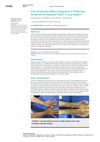
Doctors should consider Netherton syndrome in patients with chronic skin and hair issues to avoid misdiagnosis.
 February 2024 in “Journal of Health Science and Medical Therapy”
 ADAM17 could be a potential target for treating PCOS.
A rare case of a benign hair follicle tumor with unusual skin changes highlights the need for timely diagnosis to prevent potential cancer.

Elastin-like recombinamers show promise for better wound healing and skin regeneration.
 October 2023 in “The Egyptian Journal of Hospital Medicine ”
 PSA might help diagnose PCOS and related skin issues, but more research is needed.
 December 2022 in “International Journal of Biomedicine”
 Androgens may worsen COVID-19 and hair loss could indicate the disease's severity.
 March 2022 in “Berkala Ilmu Kesehatan Kulit dan Kelamin/Berkala ilmu kesehatan kulit dan kelamin (Periodical of dermatology and venerology)”
 Touching cats can increase the risk of getting a fungal scalp infection, especially in boys and kids over 5.
 December 2021 in “Bandung Conference Series. Pharmacy”
 Herbal extracts mixed with coconut oil can effectively promote hair growth.
 November 2021 in “International Journal of Research in Medical Sciences & Technology”
 Skin surface chemistry and OCT can improve skin disease diagnosis.
Cepharanthine and tetrandrine show promise as COVID-19 drugs.
 August 2021 in “International Journal of Research in Dermatology”
 Skin tags may be linked to metabolic syndrome.
 January 2021 in “Journal of the European Academy of Dermatology and Venereology”
 PrEP doesn't increase STI risk in high-risk men, anti-androgen drugs may lower ICU admission for male COVID-19 patients, a 3-point injection is better for crow's feet, and the 'Geriatric-8' tool could help assess frailty in older skin cancer patients.
Vaccination is crucial for public health, but anti-vaccine movements are a concern.
 June 2020 in “Nihon Ika Daigaku Igakkai Zasshi”
 aPKCλ is essential for hair follicle stem cell maintenance and wound healing.
 June 2020 in “Journal of Dermatological Treatment”
 Use telemedicine and strict hygiene for safe hair and scalp treatments during COVID-19.
 June 2019 in “Journal of Aesthetic Nursing”
 The author now supports the JCCP's efforts to improve non-surgical aesthetic practices after initial skepticism.