1 citations
,
September 2025 in “Viruses” Hantavirus survivors often face long-term health issues, needing ongoing care.
1 citations
,
August 2025 in “The Egyptian Journal of Internal Medicine” BMI is a simple, cost-effective tool for screening obesity and related diseases.
1 citations
,
July 2025 in “BMC Psychology” Social rejection can harm long-term mental health in transgender individuals.
1 citations
,
April 2025 in “Behavioral Sciences” Rejection sensitivity can lead to more loneliness and problematic internet use, but self-control can help reduce this effect.
June 2026 in “Journal of Cosmetic Dermatology” Digital care for hair loss significantly improves men's quality of life.
 May 2026 in “Journal of Clinical Medicine”
 COVID-19 can cause long-lasting non-respiratory symptoms, especially in women.
January 2026 in “Journal of Aesthetic Medicine” Aesthetic care should align physical changes with mental well-being using a comprehensive, multidisciplinary approach.
January 2026 in “Behavioral Sciences” Negative illness perceptions increase emotional distress, worsening OCD symptoms in alopecia areata patients.
January 2026 in “Journal of Clinical Medicine” Janus kinase inhibitors reduce inflammation markers in severe alopecia areata patients.
January 2026 in “Health Science Reports” Personalized hair care can help manage hair-focused repetitive behaviors.
December 2025 in “PLOS Global Public Health” Women with PCOS in Bangladesh face significant mental health issues, especially in rural areas.
December 2025 in “Neurobiology of Stress” People who recently attempted suicide during depression showed signs of adrenal fatigue, but had higher DHEA levels around the attempt time.
November 2025 in “Journal of Clinical Medicine” PRP may help reduce scar symptoms like pain and itching after six months.
November 2025 in “BMC Genomics” Wrinkled skin in Xiang pigs is linked to gene changes related to oxidative stress and the extracellular matrix.
 May 2023 in “Siriraj Medical Journal”
 The Thai version of the Family Dermatology Life Quality Index is a reliable and valid tool for assessing the quality of life of patients' families.
 February 2023 in “IntechOpen eBooks”
 Testosterone replacement therapy helps manage deficiency and has various methods, but requires careful monitoring to avoid side effects.
 December 2022 in “Journal of neurodevelopmental disorders”
 Hair follicle sampling is a practical method for measuring biomarkers in children with and without Fragile X syndrome.
 January 2017 in “Journal of Investigative Dermatology Symposium Proceedings”
 The 2015 Hair Research Congress concluded that stem cells, maraviroc, and simvastatin could potentially treat Alopecia Areata, topical minoxidil, finasteride, and steroids could treat Frontal Fibrosing Alopecia, and PTGDR2 antagonists could also treat alopecia. They also found that low-level light therapy could help with hair loss, a robotic device could assist in hair extraction, and nutrition could aid hair growth. They suggested that Alopecia Areata is an inflammatory disorder, not a single disease, indicating a need for personalized treatments.
February 2009 in “Journal of the American Academy of Dermatology” 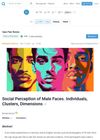 1 citations
,
December 2024 in “Qeios”
1 citations
,
December 2024 in “Qeios” Hair loss affects attractiveness but can suggest intelligence, and face perception is complex, involving factors like age and smile.

Taller men are seen as more attractive, and hair loss negatively affects attractiveness.
Men with hair loss are seen as less attractive and shorter, and height is a key factor in attractiveness ratings.
 November 2025 in “Frontiers in Medicine”
 The SAALIQ is a reliable tool for measuring the impact of alopecia areata on Spanish-speaking patients' quality of life.
January 2014 in “NDSU Repository (North Dakota State University)” The hair-pulling scale needs improvement for better accuracy and consistency.
6 citations
,
January 2020 in “Open Journal of Psychiatry” The Greek DCQ is a reliable and valid tool for assessing dysmorphic concern.
 8 citations
,
August 2018 in “Anais Brasileiros De Dermatologia”
8 citations
,
August 2018 in “Anais Brasileiros De Dermatologia” Portuguese WAA-QoL questionnaire validated; FPHL severity, schooling, and phototypes affect patients' quality of life.
7 citations
,
March 2022 in “Journal of the American Academy of Dermatology” Stress can trigger or worsen alopecia areata.
1 citations
,
June 2020 in “British Journal of Dermatology” The new measure helps understand the personal and emotional impact of hair loss in alopecia areata patients.
June 2026 in “Clinical and Experimental Dermatology” Standardized assessment tools for androgenetic alopecia are needed.
1 citations
,
December 2022 in “Zenodo (CERN European Organization for Nuclear Research)” Emotional intelligence needs different measurement tools than IQ.