January 2025 in “Russian Medical Inquiry” The treatment improved hair growth and quality with minimal side effects.
August 2019 in “KMOU Repository (Korea Maritime and Ocean University)” Sapium rotundifolium extract may help treat enlarged prostate.
 1 citations
,
October 2023 in “European journal of histochemistry”
1 citations
,
October 2023 in “European journal of histochemistry” Ozone and procaine boost the release of healing factors in platelet-rich plasma.
Suppressing ODC activity reduces tumor growth in hair follicles.
4 citations
,
January 2011 in “Dermatologic Therapy” Zinc supplements improved hair loss in patients with zinc deficiency.
 September 2024 in “Journal of Education Health and Sport”
 PRP therapy can help regrow hair and improve hair thickness.
 24 citations
,
January 2003 in “Journal of Investigative Dermatology”
24 citations
,
January 2003 in “Journal of Investigative Dermatology” Blocking a specific receptor slows down hair loss in mice.
![Antiexudative Effects of Finasteride and a New Pyrazolo[C]Pyridine Derivative GIZh-72 in Acetic Acid-Induced Experimental Peritonitis](/images/assets/10e636c8-32b7-4d90-b645-80e0039c5960/small/4762.jpg) February 2020 in “Bulletin of Experimental Biology and Medicine”
February 2020 in “Bulletin of Experimental Biology and Medicine” Finasteride and GIZh-72 reduce inflammation, with GIZh-72 being more effective.
16 citations
,
January 2018 in “Dermatology Online Journal” PRP shows promise for treating hair loss but needs more research.
 December 2024 in “IntechOpen eBooks”
 Trichoscopy helps diagnose and track alopecia areata by examining specific hair and scalp markers.
33 citations
,
May 2017 in “Journal of Clinical Oncology” ETC-159 was safe up to 30 mg, but no tumor shrinkage was seen.
 November 2023 in “The Journal of Urology”
 The conclusion is that future trials should report specific details about the PRP composition to better understand its effects on urologic conditions.
 7 citations
,
May 2013 in “PubMed”
7 citations
,
May 2013 in “PubMed” A new hair loss treatment with two unique ingredients improved hair growth.
 September 2019 in “Journal of Investigative Dermatology”
 There are various tools available to help psoriasis patients manage their condition, but their effectiveness is unclear and they face issues like lack of financial support.
PRP therapy is effective and safe for treating hair loss, increasing hair follicles and reducing hair loss after at least 4 treatments.
 1 citations
,
January 2012 in “International Journal of Trichology”
1 citations
,
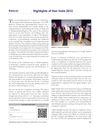
January 2012 in “International Journal of Trichology” Hair India 2012 was a successful international event focused on combating fake trichology practices and discussing various hair health topics.
March 2021 in “Zagazig university medical journal” Using PRP with hair transplants improves hair growth and quality.
April 2014 in “The FASEB Journal” Testosterone reduces knee movement, while flutamide and finasteride increase it.
January 2026 in “OSF Preprints (OSF Preprints)” A new treatment plan for hair loss combines targeted therapies and regenerative strategies to stabilize, reverse, and maintain hair growth.
April 2026 in “Reviews in Medical Virology” Trichodysplasia spinulosa is a rare skin condition linked to weakened immune systems, mostly in organ transplant patients.
 August 2003 in “Dermatologic Surgery”
 Craig Ziering created a system to classify scalp hair patterns, important for improving hair restoration surgery results.
2 citations
,
April 2024 in “International Wound Journal” Combining UV therapy with PRP heals chronic wounds faster and reduces pain.
 June 2026 in “Current Oncology Reports”
 Sacituzumab Tirumotecan shows promise in treating gynecologic cancers with manageable side effects.
 October 2024 in “Current Issues in Molecular Biology”
 Platycladus orientalis leaf extract helps hair grow by activating certain proteins.
34 citations
,
April 1982 in “BMJ” January 2026 in “Jurnal Akta Trimedika” Microneedling with PRP effectively improved hair growth and thickness in androgenic alopecia without side effects.
PRP treatment mildly to moderately improves hair loss in most men with AGA.
 13 citations
,
July 2012 in “Dermatologic Surgery”
13 citations
,
July 2012 in “Dermatologic Surgery” Platelet-rich plasma (PRP) may help promote hair growth and improve graft survival after hair transplantation, but more research is needed to confirm its effectiveness and determine the best dosage.

Monthly PRP therapy is more effective than daily minoxidil for alopecia areata.
 November 2024 in “Fizioterapevt (Physiotherapist)”
 High-intensity phototechnology, especially with other treatments, effectively improves quality of life for diffuse alopecia patients.