 9 citations
,
August 2017 in “Photochemistry and Photobiology”
9 citations
,
August 2017 in “Photochemistry and Photobiology” Red light at 627 nm can safely trigger IL-4 release in skin cells, potentially helping treat inflammatory skin conditions.
June 2002 in “Science of aging knowledge environment” The cancer gene c-Myc increases harmful chemicals that damage DNA and can lead to cancer, but antioxidants can reduce this damage.
 13 citations
,
January 1963 in “Radiation Research”
13 citations
,
January 1963 in “Radiation Research” X-ray microbeams can mimic cosmic rays' effects on tissue, aiding wound healing and hair growth.
6 citations
,
January 2020 in “Elsevier eBooks” Nanoparticles could make hair dyes safer by reducing harmful effects.
132 citations
,
November 1998 in “Journal of the American Academy of Dermatology” Topical sensitizers have mixed success in treating alopecia areata.
 29 citations
,
September 2017 in “Oncology and therapy”
29 citations
,
September 2017 in “Oncology and therapy” The document provides advice on how to recognize and treat skin-related side effects of cancer drugs known as EGFR inhibitors.
1 citations
,
April 2025 in “Journal of Applied Polymer Science” Microneedles with green tea polyphenols improve diabetic wound healing.
44 citations
,
January 2021 in “Research” MCSA hydrogels can effectively treat melanoma and aid wound healing.
25 citations
,
February 2023 in “Aesthetic Surgery Journal” Photobiomodulation is safe for skin rejuvenation, even for those with a cancer history.
 1 citations
,
September 2016 in “Journal of Dermatological Science”
1 citations
,
September 2016 in “Journal of Dermatological Science” FGF18 treatment during hair's resting phase can protect against hair loss from radiation.
 1 citations
,
February 2023 in “International journal of research - granthaalayah”
1 citations
,
February 2023 in “International journal of research - granthaalayah” Electromagnetic energy from wound dressing paste can disrupt skin lipid droplets, possibly affecting cancer development.
 34 citations
,
July 2011 in “International journal of pharmaceutics”
34 citations
,
July 2011 in “International journal of pharmaceutics” Ion-paired risedronate significantly increases skin penetration without irritation compared to risedronate alone.
September 2002 in “Oncology Times” Promising cancer treatments were found, but the manufacturer closed.
August 2025 in “Pharmaceutics” A new method improves betulin delivery and shows promise in cancer treatment.
January 1997 in “Purdue e-Pubs (Purdue University)” Whole hair strands can reliably measure gamma ray exposure using ESR techniques, but samples should be analyzed quickly or stored in liquid nitrogen.
 March 2024 in “Medical lasers”
 Multiple-wavelength radiation helps hair grow by boosting early hair follicle development.
 10 citations
,
January 2013 in “Journal of skin cancer”
10 citations
,
January 2013 in “Journal of skin cancer” PKC ε increases hair follicle stem cell turnover and may raise skin cancer risk.
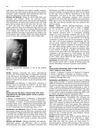 September 2009 in “European Urology Supplements”
 IGRT resulted in lower acute toxicity for stage III prostate cancer patients.
March 2024 in “Preprints.org” Activated protein C helps protect mice from radiation damage.
 January 2026 in “Journal of Hard Tissue Biology”
 Red LED light boosts cell activity and growth, aiding wound healing and blood vessel repair.
2 citations
,
March 2010 in “Acta Biochimica Polonica” Raltitrexed conjugates are less potent than the free drug but more effective at high concentrations.
21 citations
,
January 1999 in “Molecular and Cellular Biochemistry” Niacin deficiency makes rats more sensitive to cancer-causing chemicals.
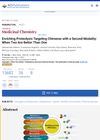 10 citations
,
July 2022 in “Journal of Medicinal Chemistry”
10 citations
,
July 2022 in “Journal of Medicinal Chemistry” Adding a second method to PROTACs could improve cancer treatment.
September 2017 in “The journal of investigative dermatology/Journal of investigative dermatology” Different types of human skin cells respond uniquely to various colors and doses of light, which could lead to specialized light treatments for skin conditions.
January 2005 in “Enlighten: Publications (The University of Glasgow)” Melanocyte pathology requires keratinocyte hyperplasia and regulation dysfunction.
4 citations
,
June 2024 in “Journal of Cosmetic Dermatology” Fractional radiofrequency effectively and safely improves rosacea symptoms.
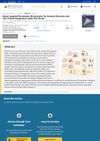 November 2023 in “ACS Nano”
 The device helps restore sensation and grow new hair follicles after skin burns.
 3 citations
,
April 2016 in “Journal of The American Academy of Dermatology”
3 citations
,
April 2016 in “Journal of The American Academy of Dermatology” A woman had a severe skin reaction from the drug imiquimod, used for skin cancer, highlighting the need for awareness of rare but serious side effects.
 12 citations
,
March 2011 in “Journal of pathology”
12 citations
,
March 2011 in “Journal of pathology” Oncogenic K-ras causes rapid cancerous changes in the mouth's lining.
March 2020 in “The Egyptian Journal of Histology” Topical olive oil protects mice skin from harmful electromagnetic radiation.