57 citations
,
July 2000 in “Toxicology Letters” K6/ODC transgenic mice are effective for quickly identifying cancer-causing chemicals.
November 2008 in “Cancer Prevention Research” Chemoprevention can significantly lower cancer risks and needs more research and collaboration.
 9 citations
,
May 2019 in “Vestnik dermatologii i venerologii”
9 citations
,
May 2019 in “Vestnik dermatologii i venerologii” The method could improve vitiligo treatment by effectively delivering therapy to hair follicles.
 March 2026 in “Research Square”
 Polymer dot nanozymes and exosomes, with laser stimulation, speed up wound healing.
 December 2022 in “Research Square (Research Square)”
 The QuantAnts machines can find cancer markers and create CRISPR targets for them.
 8 citations
,
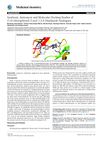
January 2013 in “Medicinal chemistry”
8 citations
,
January 2013 in “Medicinal chemistry” The compound 4c showed strong potential as an anticancer agent.
65 citations
,
October 2015 in “Acta Biomaterialia” The nano-carrier makes etoposide safer and more effective against lung cancer.
16 citations
,
April 2025 in “Journal of the American Academy of Dermatology” Photobiomodulation is safe and effective for treating certain conditions like nerve pain and hair loss.
46 citations
,
December 2018 in “Biomedical Optics Express” Raman spectroscopy could effectively guide skin cancer surgery by identifying tumor margins.
14 citations
,
July 2015 in “International Journal of Molecular Sciences” S-Methylmethionine sulfonium can protect skin from UVB damage.
 18 citations
,
July 2014 in “Molecular Medicine Reports”
18 citations
,
July 2014 in “Molecular Medicine Reports” UVB radiation changes the levels of certain microRNAs in skin cells, which may affect cell survival and hair growth.
March 2003 in “Oncology Times” Further research is needed to develop effective cancer prevention strategies.
A new method improves betulin delivery in experiments, showing promise against certain tumors.
34 citations
,
November 2023 in “Applied Materials Today” Nanoemulsions can effectively treat skin cancer with fewer side effects.
 68 citations
,
March 2002 in “Journal of pharmaceutical sciences”
68 citations
,
March 2002 in “Journal of pharmaceutical sciences” Nonionic liposomes are the best for delivering genes to skin cells.
6 citations
,
March 2005 in “The Journal of Dermatology” Radiation therapy can worsen Discoid Lupus Erythematosus.
5 citations
,
July 2022 in “Radiation Research” The mouse model helps study and develop treatments for radiation-induced saliva reduction.
October 2012 in “International journal of radiation oncology, biology, physics” Soy isoflavones can protect lung tissue from damage during radiation therapy for lung cancer.
 February 2024 in “Journal of medical science and clinical research”
 Radiotherapy effectively treated a large scalp tumor in an elderly woman, avoiding surgery.
6 citations
,
December 2021 in “Journal of Cancer Research and Therapeutics” The treatment improved survival and controlled cancer spread but required managing side effects like rashes.
July 2026 in “Theranostics” A new nanocage system protects hair cells and reduces hearing loss effectively.
12 citations
,
May 2015 in “Journal of the National Comprehensive Cancer Network” Doctors should actively prevent and treat skin side effects in cancer patients to keep them on the best medication and reduce discomfort.
 21 citations
,
May 1989 in “Advanced Drug Delivery Reviews”
21 citations
,
May 1989 in “Advanced Drug Delivery Reviews” Liposomes show promise in cancer treatment by delivering drugs with less toxicity and improved effectiveness.
 28 citations
,
December 2006 in “Clinical lung cancer”
28 citations
,
December 2006 in “Clinical lung cancer” Early recognition and management of skin side effects from new cancer therapies can prevent treatment delays.
1 citations
,
November 2022 in “International journal of molecular sciences” Human fetal placental stromal cell injections speed up healing and improve skin and hair recovery after radiation damage.
 1 citations
,
July 2020 in “International journal of radiology & radiation therapy”
1 citations
,
July 2020 in “International journal of radiology & radiation therapy” Partial hair-sparing brain radiotherapy is possible and doesn't affect cancer control but still causes noticeable hair loss.
 6 citations
,
November 2013 in “International Journal of Radiation Biology”
6 citations
,
November 2013 in “International Journal of Radiation Biology” Gamma-rays exposure during the resting phase of hair growth can damage hair regeneration and color in mice.
11 citations
,
February 2002 in “European Journal of Clinical Investigation” The new platinum complexes effectively increased survival in rats with tumors, despite some reversible side effects.
October 2014 in “Cancer research” Blocking mTORC1 reduces skin tumor growth in mice.
June 2004 in “Journal of Investigative Dermatology” Increased pigmentation may protect skin from UVB, new targets for skin disease treatments were identified, sunscreen ingredients don't affect hormones, TNF-α inhibitors may help diabetic wounds, and certain treatments could prevent chemotherapy-induced hair loss.