 March 2026 in “Preprints.org”
 DRDE-07 shows promise for treating skin diseases due to its favorable properties.
March 2026 in “SKIN The Journal of Cutaneous Medicine” Ritlecitinib is being tested for safety and effectiveness in young children with severe alopecia areata.
January 2026 in “Dermatologic Therapy” Ritlecitinib is effective and safe for treating severe alopecia areata, showing significant hair regrowth and improved mental health.
April 2012 in “Development” Rac1 is crucial for normal hair structure and pigmentation.
7 citations
,
July 2023 in “Immunotherapy” Ritlecitinib works well and is safe for treating alopecia areata.
15 citations
,
March 2021 in “EMBO Reports” PRSS35 enzyme may help start skin tumors and could be a target for cancer treatment.
 October 2023 in “Pediatric dermatology”
 Middle Eastern patients with epidermolysis bullosa show specific genetic mutations linked to different types of the disease.
 1 citations
,
July 2025 in “SKIN The Journal of Cutaneous Medicine”
1 citations
,
July 2025 in “SKIN The Journal of Cutaneous Medicine” Ritlecitinib is effective and safe for long-term treatment of alopecia areata.
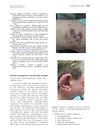
A 72-year-old man was diagnosed with a rare skin form of Rosai-Dorfman disease after years of misdiagnosis.
13 citations
,
August 2000 in “Blood” Measuring minimal residual disease on day 15 helps identify high-risk leukemia patients.
 26 citations
,
June 2018 in “The journal of immunology/The Journal of immunology”
26 citations
,
June 2018 in “The journal of immunology/The Journal of immunology” AIRE-deficient rats developed severe autoimmune disease similar to APECED, useful for testing treatments.
1 citations
,
August 2024 in “British Journal of Dermatology” Ritlecitinib effectively promotes hair regrowth in alopecia areata patients, even with extensive hair loss.
January 2025 in “The Journal of Dermatology” Patients prefer the higher 50 mg dose of ritlecitinib for better hair regrowth despite higher risks.
Ribonucleotide excision repair is crucial to prevent skin cancer.
Ribonucleotide excision repair is crucial to prevent skin cancer.
 October 2024 in “Journal of the European Academy of Dermatology and Venereology”
 Ritlecitinib and baricitinib are similarly effective for hair regrowth in severe alopecia areata.
4-(Ethoxycarbophenyl) retinamide is much less toxic than other retinoids.
7 citations
,
September 2024 in “PLANT PHYSIOLOGY” RALF22 is essential for root hair growth in response to fungal emissions in Arabidopsis.
 5 citations
,
February 2024 in “Clinical Pharmacokinetics”
5 citations
,
February 2024 in “Clinical Pharmacokinetics” A 50 mg daily dose of ritlecitinib is effective for alopecia areata, with temporary treatment breaks up to 6 weeks not affecting results.
 January 2024 in “American journal of clinical dermatology”
 Ritlecitinib is safe and well-tolerated for treating alopecia areata in patients aged 12 and older.
November 2025 in “Journal of Investigative Dermatology” 25 citations
,
September 2005 in “Journal of the American Academy of Dermatology” Rapp-Hodgkin syndrome, AEC, and EEC are different expressions of the same genetic disorder caused by TP63 gene mutations.
23 citations
,
October 2024 in “British Journal of Dermatology” Ritlecitinib effectively treats alopecia areata and is safe for long-term use in people 12 and older.
April 2023 in “Journal of Investigative Dermatology” Increased TEMRA cells can predict treatment outcomes in rapidly progressive alopecia areata.
12 citations
,
January 2013 in “Indian dermatology online journal” Dermatopathia pigmentosa reticularis causes skin discoloration, hair loss, and nail problems.
January 2015 in “UNIFESP Institutional Repository (Universidade Federal de São Paulo)” A 30 Gy radiation dose effectively causes severe radiodermatitis in rabbits.
 March 2025 in “SKIN The Journal of Cutaneous Medicine”
 Certain patient characteristics can help predict hair regrowth success with ritlecitinib in alopecia areata.
 December 2023 in “Biointerface Research in Applied Chemistry”
 Stiripentol shows promise as a potential treatment for androgen-related diseases but needs more testing.
 April 2024 in “bioRxiv (Cold Spring Harbor Laboratory)”
 A gene network led by RSL4 is crucial for early root hair growth in response to cold in Arabidopsis thaliana.
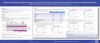 November 2024 in “SKIN The Journal of Cutaneous Medicine”
 Ritlecitinib effectively promotes hair regrowth in severe and very severe alopecia areata.